
The Pink Standard: Why I Believe Your Gums Are the True Architects of Your Face
Direct Answer
Bleeding gums are primarily caused by gingivitis—an inflammatory response to bacterial plaque buildup. To treat it, you must prioritize professional cleanings to remove calcified tartar and maintain a rigorous home routine using interdental tools. While common, persistent bleeding requires clinical evaluation to prevent progression to irreversible bone loss or chronic periodontitis.
I have always maintained that a captivating smile is far more than just a row of straight, white teeth. To me, it is a silent communicator—a blend of health, confidence, and raw vitality. While my patients often obsess over the brilliance of their enamel, I find myself looking at the foundation. Healthy gums are the velvet curtains to the dental stage. In their peak state, I look for a firm texture and a soft, pale pink hue that grips the tooth with purpose. These tissues provide the structural integrity required to keep your facial profile balanced and your teeth anchored in place.
In our practice, we often see patients who disregard bleeding as a minor issue or a result of 'hard brushing,' only to find significant subgingival attachment loss during probing. We frequently observe that localized bleeding is often the first clinical sign of systemic stressors, including hormonal fluctuations or vitamin deficiencies, which must be addressed alongside mechanical biofilm disruption to achieve long-term gingival stability.
— Clinical Observation

If you see a sudden flash of crimson in the sink or feel a localized throb during your morning routine, I want you to listen. Your body is shouting. Bleeding is an active, aggressive inflammatory response; it is never just 'part of brushing.' I hear people blame 'stiff bristles' all the time, but healthy tissue is remarkably tough. When your gums bleed, I see an immune system locked in a localized war against bacterial invaders or trauma. Ignoring this is like driving a high-performance vehicle while the oil light flickers red on the dashboard. The longer you wait, the more expensive and invasive the eventual restoration becomes.
The Biological Saboteurs: Unmasking Why Resilience Fades
To understand why gums fail, I have to take you into the microscopic trenches of the mouth. The villain here is subgingival biofilm—a complex, sticky civilization of bacteria thriving in the dark crevices where the tooth meets the gum. When this isn't disrupted, it petrifies into tartar. Once that happens, it’s no longer just a film; it’s a jagged, porous anchor for even more pathogens. This cycle of mechanical and biological irritation is why I see so many patients struggling with persistent bleeding.

I also believe we cannot look at the mouth in isolation. I’ve noticed how lifestyle stress and hormonal shifts manifest in the gums with startling clarity. During pregnancy, menopause, or even those high-octane executive work cycles, the body’s inflammatory dial is turned all the way up. Increased cortisol and progesterone make your tissues hypersensitive to even the smallest amount of plaque. In these moments, your bleeding gums are actually a mirror reflecting your internal systemic chaos.
The Ripple Effect: Why I Fear Inaction Beyond the Sink
The stakes are much higher than a bit of blood in the bathroom. I am constantly fascinated and alarmed by the link between oral inflammation and systemic health. Your mouth is the gateway. When gums are inflamed, the barrier between oral bacteria and your bloodstream is effectively breached. This is a state of increased gingival permeability, where the epithelial barrier is compromised. It allows pathogens to hitch a ride to your heart and brain, and research has linked this to cardiovascular issues, diabetic complications, and even cognitive decline. Managing periodontal inflammation is an essential part of a heart-healthy lifestyle, as oral pathogens are linked to systemic inflammatory markers.

Structurally, I see untreated bleeding lead to bone loss that fundamentally changes how you look. Gingivitis is the gateway to periodontitis, where the bone supporting your teeth begins to dissolve. As that bone vanishes, the gums retreat, leading to that 'long in the tooth' look we associate with aging. Even worse, the loss of bone volume can cause the lower third of your face to lose its support, collapsing your natural profile. This is an aesthetic debt that is very hard to repay without surgery.
Professional Restoration: The High-End Clinical Reset
When things have progressed past the point of home care, I turn to sophisticated, minimally invasive solutions to reset the biological clock. I am a huge proponent of laser therapy. It is a precise method that significantly minimizes bleeding and trauma while decontaminating the area. By using specific wavelengths of light, we can vaporize the 'bad' bacteria while leaving the healthy tissue untouched. This 'biostimulation' actually encourages the gums to re-bond with the tooth, accelerating the healing in a way traditional methods never could.

I also rely on ultrasonic scaling. Forget the manual scraping of the past; these instruments use high-frequency vibrations and a cooling mist to shatter tartar deposits. It’s essentially a 'power wash' for your tooth roots. It is efficient, thorough, and leaves the teeth feeling glass-smooth, giving the gums the perfect environment to settle back down.
The Daily Devotion: Curating Your Premium Oral Ritual
The secret to longevity is moving from a 'chore' mindset to a 'ritual' mindset. I always recommend upgrading to high-end electric technology. Toothbrushes with pressure sensors and oscillating-rotating movements are simply superior at disrupting biofilm. They do the heavy lifting for you, ensuring you don't use the kind of aggressive pressure that leads to recession.
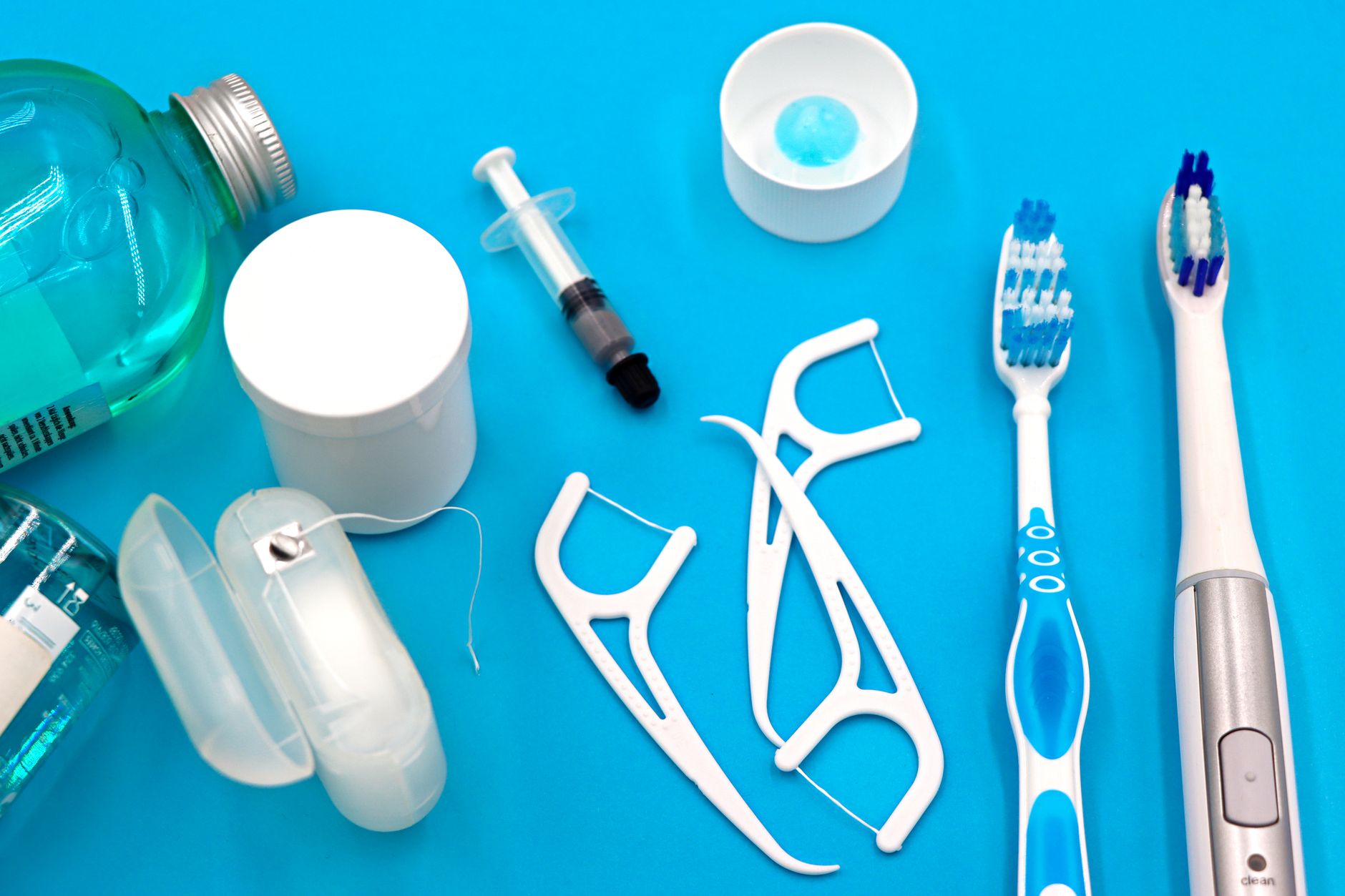
I tell my patients that interdental cleaning is a non-negotiable luxury. If you aren't cleaning between the teeth, you’re leaving 40% of the job unfinished. Whether you choose silk floss, interdental brushes, or a high-tech water flosser, the goal is the same: disrupt the shadows. I view this as the 'deep cleanse' of your oral skincare routine—essential for clarity.
Frequently Asked Questions
General
Why do my gums bleed even if I brush regularly?
Why do my gums bleed even if I brush regularly?
Bleeding is often caused by subgingival biofilm or tartar that cannot be removed by brushing alone. It can also be triggered by hormonal shifts, stress, or dietary deficiencies that make gum tissue hypersensitive to even small amounts of plaque.
General
Can bleeding gums affect my heart health?
Can bleeding gums affect my heart health?
Yes. Chronic gum inflammation, or 'leaky gum' syndrome, allows oral bacteria to enter the bloodstream. Research has linked this systemic inflammation to cardiovascular issues, diabetic complications, and cognitive decline.
General
What are the best professional treatments for gum disease?
What are the best professional treatments for gum disease?
Modern clinical resets include laser therapy, which decontaminates the area and encourages biostimulation, and ultrasonic scaling, which uses high-frequency vibrations to remove deep tartar deposits efficiently.
General
Is it normal for gums to bleed only when I floss?
Is it normal for gums to bleed only when I floss?
No, healthy gum tissue is remarkably tough and should not bleed during flossing. Bleeding while flossing is a clear sign of localized inflammation and an active immune response to bacterial invaders.
Key Takeaways
- Bleeding gums are a clinical indicator of active bacterial infection and inflammation, not a normal result of brushing.
- Untreated gingivitis can progress to periodontitis, leading to irreversible bone resorption and changes in facial profile.
- Systemic factors like stress, pregnancy, and diabetes can exacerbate the gum's inflammatory response to plaque.
- Professional interventions such as laser therapy and ultrasonic scaling are required to remove hardened tartar that brushing cannot reach.
- Effective interdental cleaning is mandatory to disrupt the 40% of biofilm that accumulates between the teeth.
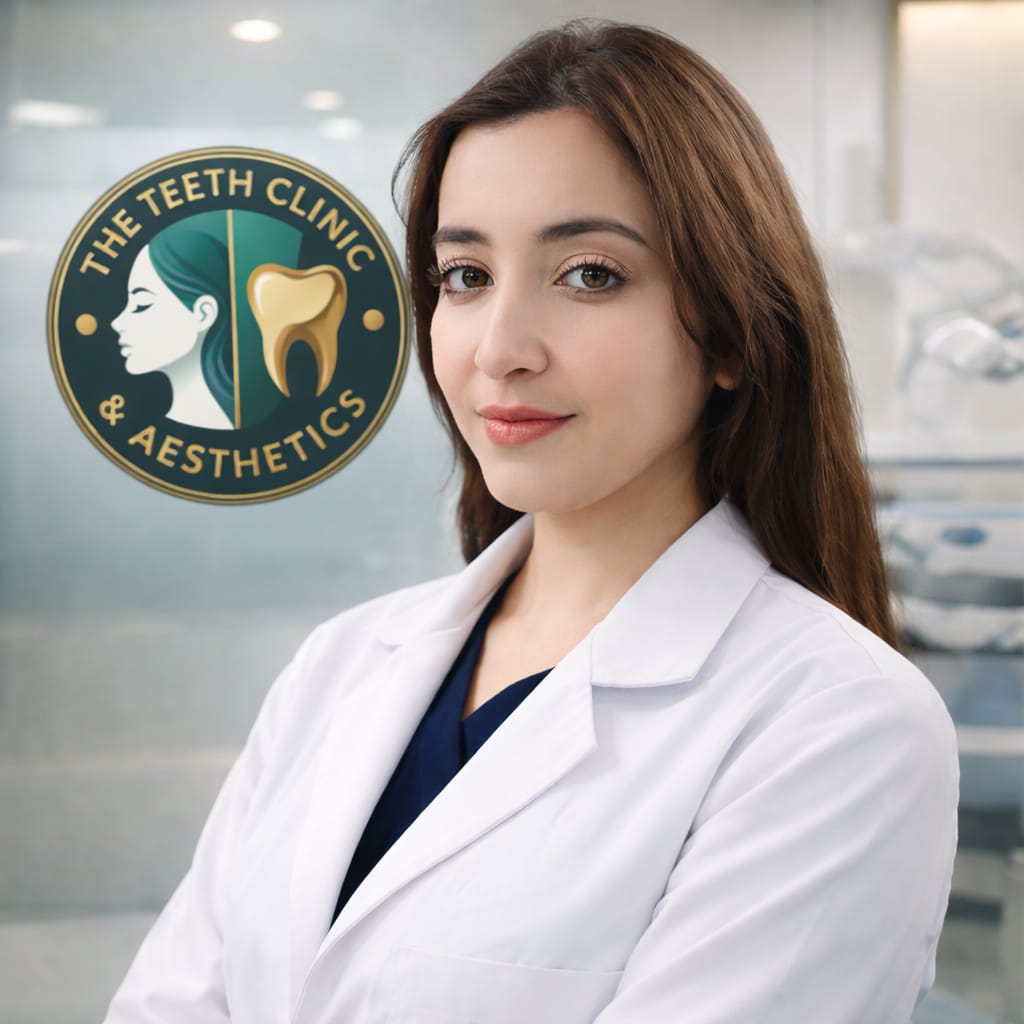
Dr. Afshan Pervez
Lead Dental Surgeon & Aesthetician | BDS, RDS, Orthodontist
Dr. Afshan Pervez is the Lead Dental Surgeon and Aesthetician at The Teeth Clinic with over 14 years of clinical experience. A highly qualified BDS and RDS professional with an Orthodontic specialization, she has an extensive international academic background, including an Integrated Masters in Portugal and advanced training in Implant Dentistry (Hong Kong), Dental Medicine (USA), and Global Health (Denmark). Her multidisciplinary expertise encompasses surgery, endodontics, and aesthetic medicine, where she combines clinical precision with a holistic approach to facial aesthetics.
Last clinically reviewed: 04/04/2026