The Architecture of a Lasting Smile: My Perspective
Direct Answer
A dental bone graft is a surgical procedure that restores or augments the volume and density of the jawbone. By creating a solid foundation using your own bone or specialized materials, it ensures that a dental implant can be securely anchored, preventing further bone loss and supporting long-term oral health.
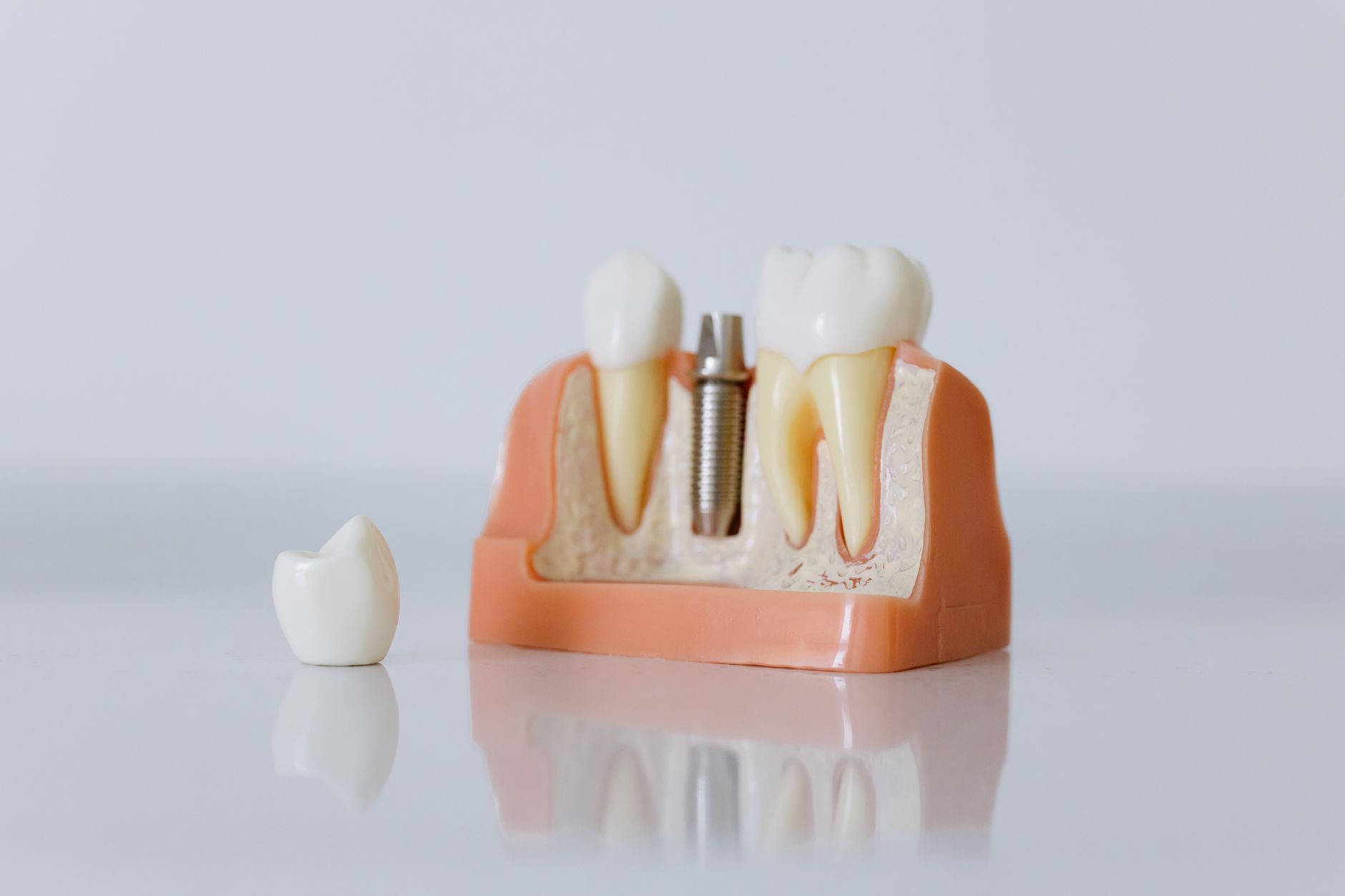
When I sit down with a patient to discuss a restorative dental masterpiece, I notice their eyes almost always gravitate toward the crown—the luminous, visible portion of the tooth that reflects light and defines a smile.
In our practice, we often see patients who have experienced significant bone resorption due to long-term tooth loss. These cases frequently present with a 'collapsed' facial appearance or insufficient ridge height. By performing precise bone grafting, we are able to not only restore the structural integrity required for implants but also rejuvenate the patient's facial profile and restore their confidence in their smile.
— Clinical Observation

However, in my practice at The Teeth Clinic & Aesthetics, I prefer to view a dental implant through the lens of high-end structural engineering. To me, it is a bespoke architectural build. The longevity and sheer grace of any structure depend entirely on the ground upon which it stands.
Why Bone Loss Happens: It Is More Than Just a Missing Tooth
The human body is ruthlessly efficient. I often tell my patients that bone tissue in the jaw exists for one reason: to support teeth. When a tooth is lost, the underlying bone suddenly loses its 'job.'

Without the constant stimulation provided by the forces of chewing, your body begins a process called resorption. This 'domino effect' is what I try to stop in its tracks.
Premium Material Options: How I Source Your New Foundation
At The Teeth Clinic & Aesthetics, I don't believe in a 'one-size-fits-all' approach. Your physiological makeup is as unique as your fingerprint, which is why I offer a curated range of premium material options.

Autografts remain the gold standard, using bone harvested from your own jaw to accelerate healing and minimize the risk of graft rejection compared to other materials.
The Procedure Experience: My Commitment to Your Comfort
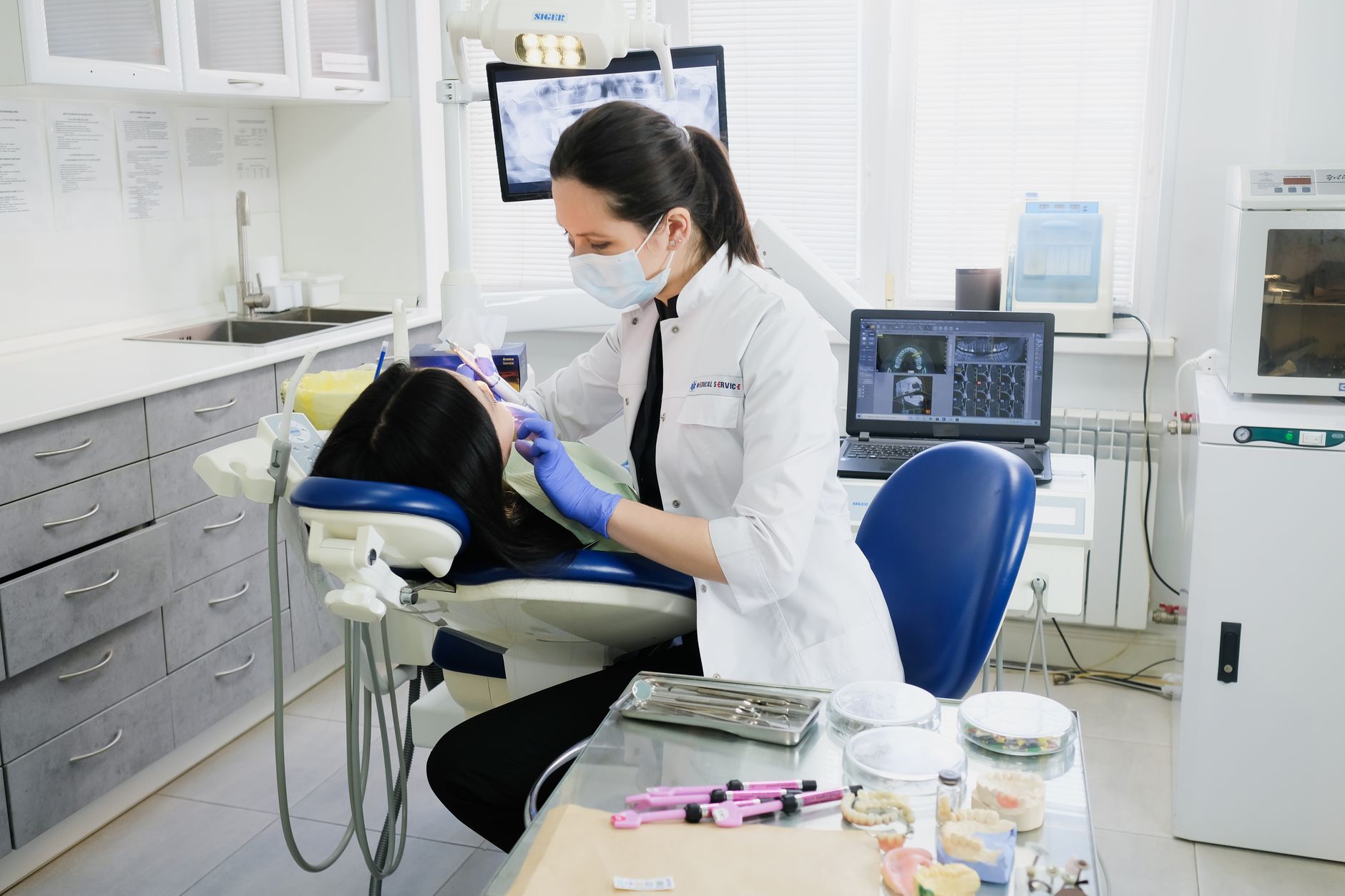
I know the words 'bone grafting' can sound heavy. That is exactly why I have spent years refining our clinical experience to focus on tranquility.
My suite is equipped with advanced local anesthesia and sophisticated sedation options. Most of my patients tell me afterward that our advanced sedation and local anesthesia protocols ensure the procedure is as comfortable and stress-free as possible.
The Aesthetic Advantage: Beyond Simple Function
Bone grafting is a functional necessity, but its impact on your appearance is where the real magic happens. In high-end dentistry, I talk about the 'emergence profile.'
By rebuilding the ridge of your jaw, I provide the support your soft tissue needs, allowing me to sculpt the gums into a healthy, natural scallop that frames your new tooth perfectly.
Frequently Asked Questions
General
Why is a bone graft necessary for a dental implant?
Why is a bone graft necessary for a dental implant?
A bone graft is necessary when the jawbone lacks the volume or density required to support a dental implant. It ensures osseointegration, where the bone fuses with the implant post to create a stable foundation for chewing and biting.
General
What materials are used for dental bone grafts?
What materials are used for dental bone grafts?
Common materials include autografts (bone from your own jaw), biocompatible synthetic minerals, and growth factors like Platelet-Rich Fibrin (PRF) to accelerate healing and regeneration.
General
How long is the recovery time for a bone graft?
How long is the recovery time for a bone graft?
While initial healing and return to work usually take 1-2 days, the full osseointegration process where the graft matures into solid bone typically takes between three to six months.
General
Does a bone graft help with facial appearance?
Does a bone graft help with facial appearance?
Yes. By restoring jawbone volume, a bone graft prevents the 'sunken' facial appearance associated with bone loss, maintaining the structural support for your lips and cheeks and preserving a youthful profile.
Key Takeaways
- Bone grafting is essential for patients with insufficient jawbone density to support a dental implant.
- The procedure prevents the natural 'resorption' process where the body absorbs bone tissue once a tooth is missing.
- Premium materials, including autografts harvested from the patient, are used to ensure high biocompatibility and faster healing.
- Beyond functional stability, bone grafting is critical for achieving a natural 'emergence profile' and aesthetic gum contouring.
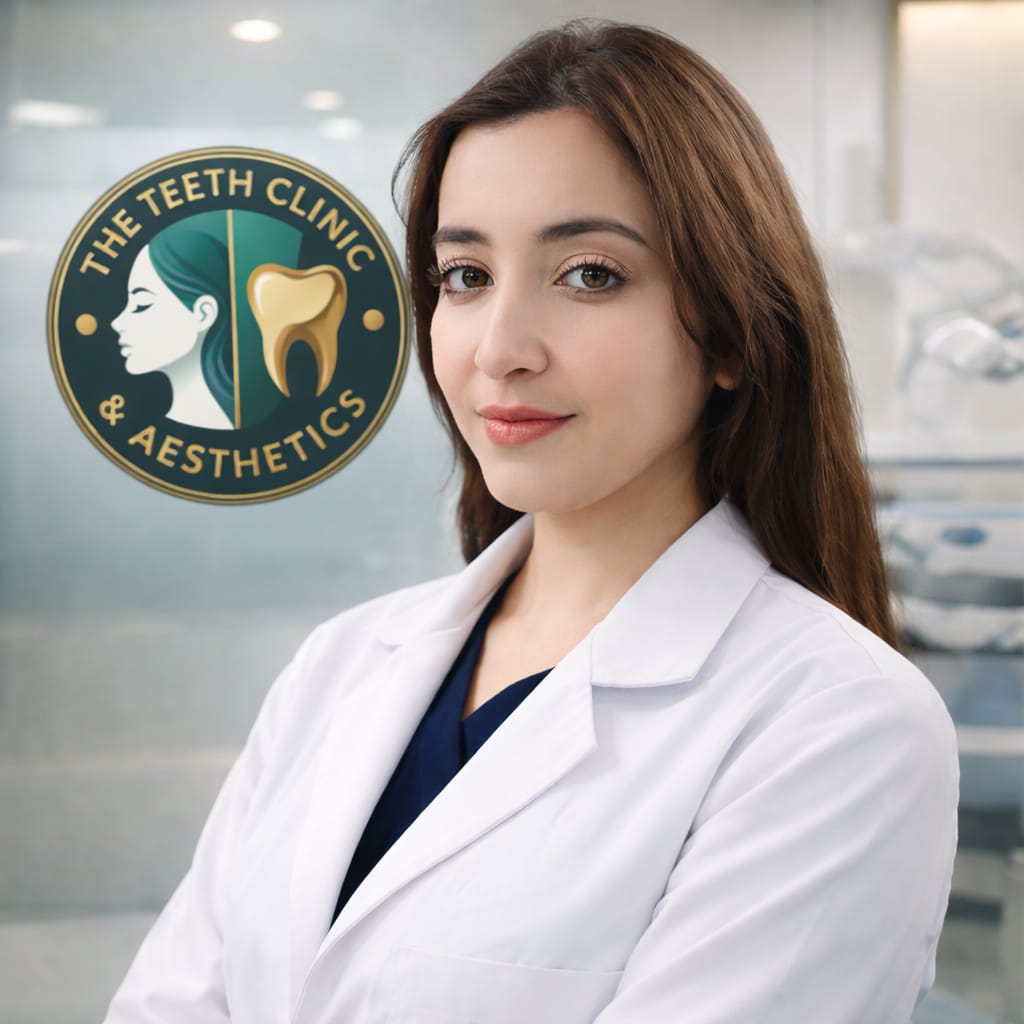
Dr. Afshan Pervez
Lead Dental Surgeon & Aesthetician | BDS, RDS, Orthodontist
Dr. Afshan Pervez is the Lead Dental Surgeon and Aesthetician at The Teeth Clinic & Aesthetics. With over 14 years of experience, she is a highly qualified BDS, RDS, and Orthodontist with advanced training in Implant Dentistry from Hong Kong and Dental Medicine from the USA. Her diverse expertise spans Integrated Masters in Portugal and Global Health in Denmark, making her a specialist in complex oral surgery, prosthodontics, and aesthetic medicine including PRP and facial treatments.
Last clinically reviewed: 04/04/2026