The Geometry of My Speech: Why I Believe Alignment is Everything
I’ve spent years obsessed with the way a single syllable can betray a person's confidence. To me, the human voice isn't just some abstract vibration; it is a physical collision of breath and bone. It’s our signature, our loudest declaration of self. Yet, I find it strange how often we ignore the literal stage where this drama unfolds.

We fret over vocal cords or lung capacity, but we overlook the teeth—the rigid, white boundaries of our linguistic world. I am constantly asked: can severely misaligned teeth affect normal speech patterns? My answer is always a blunt, resounding yes. I don't just see teeth as chewing tools; I see them as the structural pillars of clarity. When they are out of place, the architecture of the voice collapses.
I don’t view orthodontic work through the lens of a "perfect" Hollywood smile. That’s boring. I view a well-aligned bite as a precision-tuned acoustic chamber. When that chamber is warped by a malocclusion, such as the differences between an overbite and an overjet, the very physics of how we speak starts to degrade. It isn’t about looking pretty in a portrait; it’s about the raw, mechanical resonance of our identity.
The Acrobatics of the Tongue
Speech is a high-speed athletic feat. It’s frantic. To produce a crisp "T" or a sharp "D," your tongue has to behave like an elite gymnast, slamming against specific landmarks on the palate and teeth with micro-second accuracy.

In this chaotic dance, I see the teeth as the "backstops." If you want a sound to be sharp, you need a perfect seal. But if those teeth aren't where the brain's motor cortex expects them to be, that seal fails. The sound leaks. It gets muddy.
I’ve noticed that when teeth are crowded or jutting at odd angles, the mouth becomes a topographic minefield. The tongue is incredibly resilient—I’ve watched it try to perform heroic, exhausting compensations to fill the gaps. But these workarounds are expensive. They lead to what I call "lazy phonetics," where words sound blurred because the air is escaping through structural cracks that shouldn't be there.
The Phonetic Carnage I’ve Witnessed
When someone presses me on whether can severely misaligned teeth affect normal speech patterns, I tell them to listen for the friction. The way our teeth interlock is the blueprint for our verbal music.

Here is the wreckage I see most often:
- The Sibilant Whistle: This is the classic struggle. When I hear a "slushy" lisp or an accidental whistle on the letter "S," I am almost certain I’m looking at an open bite. If the teeth don't create a proper gate, the tongue overreaches, and suddenly, a sharp "s" becomes a clumsy "th."
- The Fricative Blur: Sounds like "F" and "V" require a very specific contact between the lower lip and the upper incisors. If those teeth are angled too far forward, I see the speaker flailing to find that contact point.
- The Crowded Mumble: In cases of severe crowding, the tongue simply loses its "runway." It can't move fast enough to hit the marks for "L" or "N."
The Quiet Tax of Being Misunderstood
Beyond the physics, I see the emotional erosion. There is a heavy, unspoken toll that dental speech issues take on the spirit. In my observation, we subconsciously tie clear articulation to intelligence and competence. It’s unfair, but it’s true.
I have met incredibly sharp individuals who withdraw in social settings because they are tired of the "Wait, what did you say?" look. This isn't just a lisp; it’s a barrier to human connection.
I’ve watched people prune their own vocabulary in real-time. They avoid certain words. They shorten their thoughts to stay safe. This self-censorship is devastating to me. It means their physical structure is effectively gagging their intellectual potential. When your mouth becomes a hurdle for your message, you lose your presence in the room.
Recalibrating the Biological Instrument
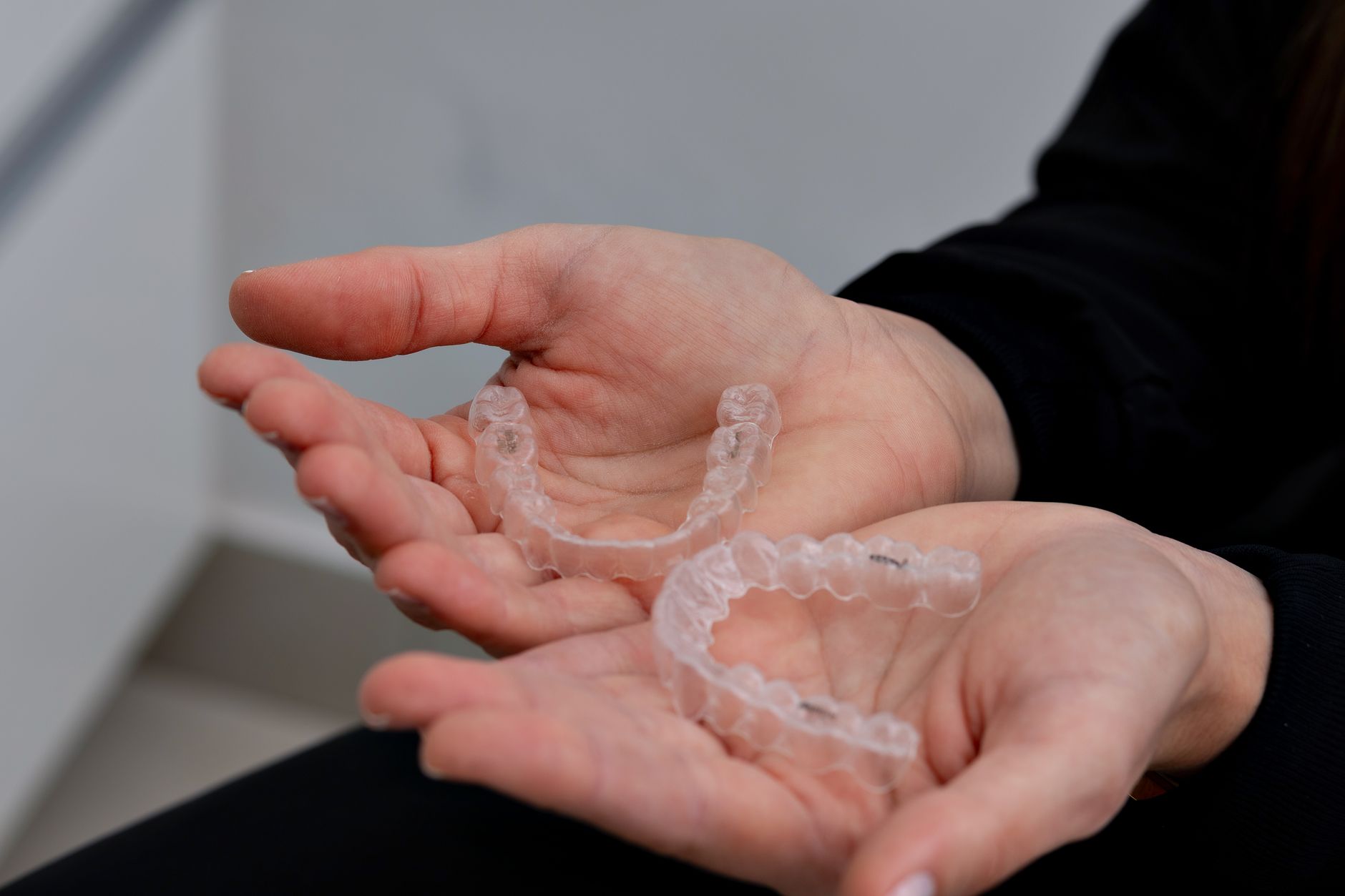
For me, correcting misaligned teeth is an act of restoration—not of a look, but of a function. When I see someone go through orthodontic treatment, I’m watching them recalibrate their entire oral landscape. It’s a profound shift. It’s about more than just fixing a "gap"; it’s about reducing the sheer physical labor required to communicate. Understanding how do malocclusions affect temporomandibular joint function is key to realizing that speech and jaw health are inextricably linked.
I’ve spoken to people who suffered from genuine jaw fatigue after a thirty-minute conversation. Their muscles were in a constant state of war, fighting against dental obstacles just to produce a sentence. By aligning the arches, we let the jaw and tongue move with gravity. Speech becomes fluid.

The voice finally finds its true resonance because it’s no longer being strangled by its own architecture.
An Investment in Being Heard
I believe we have to stop viewing dental health as something separate from our "communication toolkit." A functional bite is a fundamental investment in your ability to navigate the world. When I hear the question—can severely misaligned teeth affect normal speech patterns—I don't just see a medical query. I see a person asking for their voice back.
Frequently Asked Questions
General
Can severely misaligned teeth cause a lisp or whistling sound during speech?
Can severely misaligned teeth cause a lisp or whistling sound during speech?
Yes. When teeth are misaligned, particularly in cases of an open bite, the tongue often overreaches to compensate for the gap. This can turn sharp 'S' sounds into a 'th' sound or create an accidental whistle, a condition known as a sibilant whistle.
General
How do overbites and overjets affect the clarity of specific sounds?
How do overbites and overjets affect the clarity of specific sounds?
Malocclusions like overbites and overjets interfere with 'fricative' sounds such as 'F' and 'V,' which require precise contact between the lower lip and upper teeth. When teeth are angled incorrectly, the speaker may struggle to find these contact points, resulting in blurred speech.
General
Will orthodontic treatment improve my speech patterns?
Will orthodontic treatment improve my speech patterns?
Orthodontic treatment can significantly improve speech by recalibrating the oral 'acoustic chamber.' By aligning the teeth and arches, the tongue and jaw no longer have to perform exhausting physical compensations, allowing sounds to be produced with greater clarity and less effort.
General
Can misaligned teeth cause jaw fatigue during long conversations?
Can misaligned teeth cause jaw fatigue during long conversations?
Yes. When teeth are misaligned, the jaw muscles are often in a constant state of strain, fighting against dental obstacles to produce clear sentences. Aligning the bite reduces this physical labor, preventing muscle exhaustion and making speech feel more fluid.