My Perspective on the Anatomy of a Smile: Why Some Grins Show More Gum
Direct Answer
Gummy smile Botox correction is a non-surgical treatment that uses Botulinum Toxin Type A to relax hyperactive muscles, specifically the levator labii superioris. By reducing the upward pull on the lip, less gum tissue is exposed when smiling. The procedure takes minutes, involves no downtime, and results typically last between three to four months.
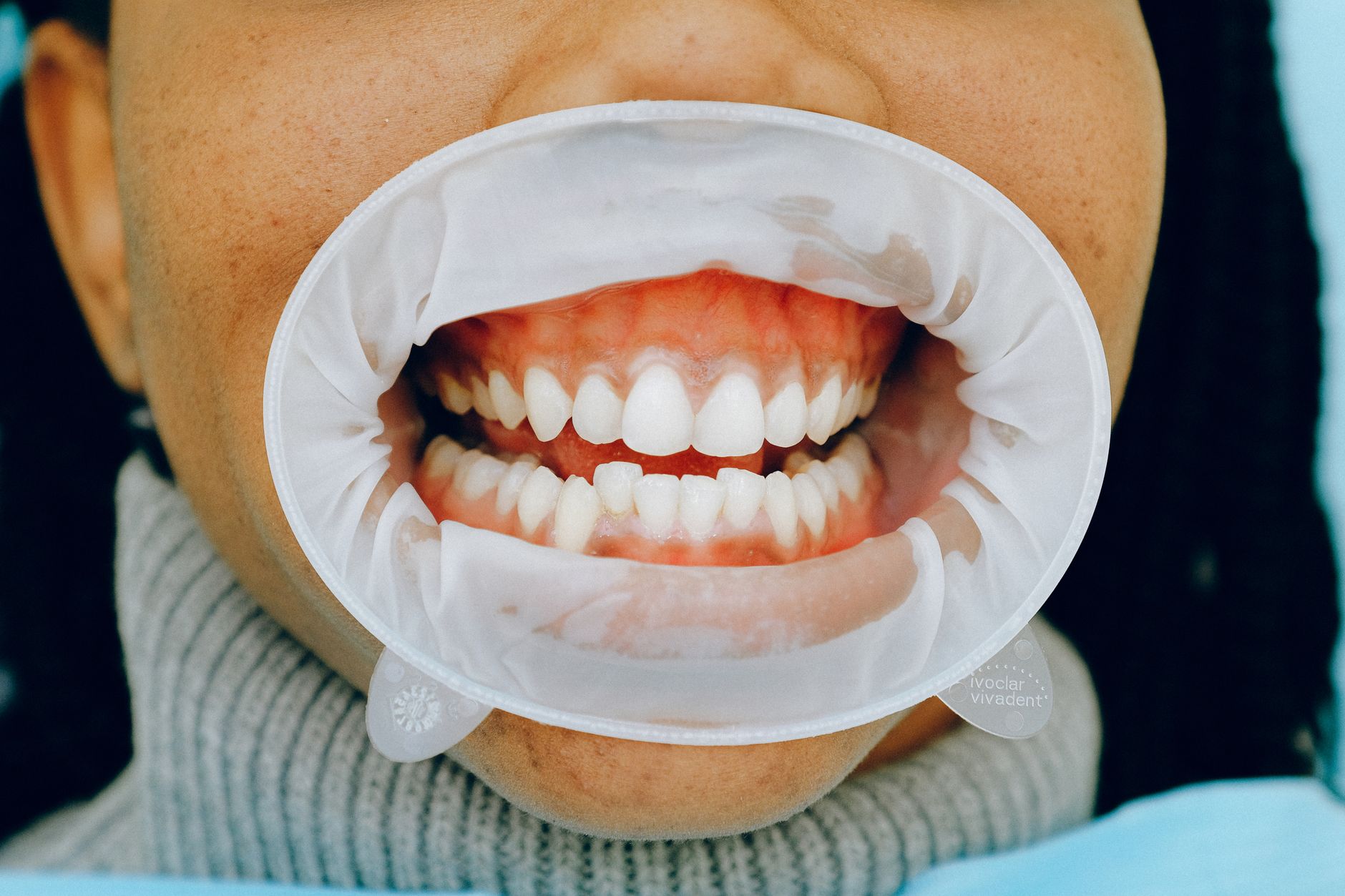
I have always believed that a smile is our most potent silent communicator. It conveys warmth and confidence without a single word. Yet, in my clinical practice, I see so many individuals who approach the act of smiling with a sense of dread. This self-consciousness usually boils down to what I call excessive gingival display—the "gummy smile." When I observe the upper lip rising significantly above the gum line, I see more than just a visual imbalance; I see a patient whose joy is being filtered through a lens of insecurity.
In our practice, we often see patients who have spent years hiding their smiles because of excessive gingival display. We've observed that for those with muscular-based gummy smiles, Botox provides a more natural result than surgery, as it modulates movement rather than just altering tissue. Interestingly, many of our long-term patients report that their lip muscles seem to 'learn' a more relaxed position over several years of maintenance, eventually requiring slightly less frequent touch-ups.
— Clinical Observation

Understanding the "why" is where my work truly begins. Sometimes the teeth are the issue, but more often than not, the culprit is a hyperactive muscle I spend a lot of time studying: the levator labii superioris. Think of this muscle as a high-tension spring. Its job is to lift the upper lip, but when it over-functions, it pulls the "curtain" of the lip too high, exposing the gingival architecture in a way that feels aesthetically jarring to the patient.
I find it vital to categorize these cases accurately. Are we looking at a skeletal issue, like vertical maxillary excess? Or perhaps the teeth simply didn't erupt fully? In my experience, a huge portion of these cases are purely muscular. The jaw is fine, the teeth are well-proportioned, but the muscle contraction is simply too aggressive. The psychological toll is real. I’ve met patients who have spent decades perfecting a "guarded" laugh. While this elective procedure provides significant emotional relief for many, a thorough consultation is required to assess individual suitability and discuss potential risks.
How I Use Botox to Fine-Tune the Upper Lip
Most people think of Botox as a tool for forehead lines, but in the mid-face, I treat it as a masterclass in precision. The mechanism is fascinating—we are essentially using a protein to temporarily interrupt the "contract" signal between the nerve and the muscle. When I strategically place small doses into those hyperactive levator muscles, the results are nothing short of transformative.

My goal is never to freeze the face. I want to encourage a soft, natural descent. By relaxing those muscles, the upper lip stays lower during a smile, masking the excess gum while retaining full, expressive movement. It is a subtle shift. I want your friends to notice you look refreshed and balanced, not that you’ve had "work done."
In my philosophy, "less is more" isn't just a catchphrase; it is a clinical requirement. If I over-treat the area, the lip can feel heavy or look asymmetrical. I spend my time at The Teeth Clinic & Aesthetics hunting for the "sweet spot"—that perfect number of units that drops the lip without erasing the natural character of your face. It is an art form rooted in a deep, daily understanding of facial myology.
Botox vs. Gingivectomy: Why I Often Recommend the Non-Surgical Route
For a long time, the only real answer was a gingivectomy. I’ve seen the results of these surgeries—they involve cutting away gum tissue with lasers or scalpels. While effective for structural issues, surgery is a massive commitment involving anesthesia, recovery time, and the risk of scarring. Furthermore, if the issue is a hyperactive muscle, cutting the gums won't stop the lip from pulling too high; it just changes what is being revealed.
I prefer Botox because it offers a zero-downtime alternative that targets the root cause: movement. The benefits I see daily include:
- Speed: I can complete the treatment in under fifteen minutes.
- Non-Invasive: No scalpels, no stitches, no blood.
- Flexibility: Because the effects are temporary, I can adjust the dosage at the next visit to perfectly tailor the height of your lip.

Cost is another factor I discuss with my patients. A surgical repositioning of the jaw can cost a fortune. Botox is a fraction of that price and allows for a "trial run" of your new look. This patient-centric flexibility is exactly why non-surgical interventions are winning the day in modern aesthetics.
The Clinical Experience: What I Do During Your 15-Minute Treatment
When you sit in my chair at The Teeth Clinic & Aesthetics, we start with a bespoke consultation. I don't believe in "one size fits all" beauty. I will ask you to smile, laugh, and pucker while I map your facial expressions. This mapping is the most critical stage of the process. I need to identify the exact insertion points to hit the levator muscles while completely avoiding the muscles you need for eating and speaking.
The actual injections are incredibly fast. I use ultra-fine needles to make two to four superficial points near the base of the nose. My patients usually describe it as a tiny pin-prick or a fleeting sting. Because While my precise technique aims to minimize downtime, minor bruising or swelling remains a common and temporary side effect of the injection process.
The best part? You can leave my office and go straight back to your life. I’ve had patients come in during their lunch hour and head right back to a board meeting. Post-treatment, patients should avoid strenuous exercise and rubbing the area for 24 hours, and must remain upright for at least four hours to prevent toxin migration. I want that Botox to stay exactly where I put it.
My Timeline for Your Transformation
I always tell my patients that patience is a virtue when dealing with neurotoxins. Unlike fillers, which I use to create instant volume, Botox needs time to bind to those receptors. You won't walk out of the clinic with a new smile instantly. Usually, around day three or five, you’ll start to feel a slight "heaviness" in the lip—that’s the relaxation beginning.

I consider the two-week mark the "peak" result. This is when the muscles are fully relaxed and the gum-to-tooth ratio reaches its ideal equilibrium. I often bring patients back at this stage for a quick check-up. If I see a tiny bit of asymmetry, I can perform a minor "tweak" to ensure the smile is level and perfect.
That two-week follow-up is often when I see the "aha" moment. Seeing a photo of yourself where your smile finally feels "right" is powerful. Because the change happens gradually over fourteen days, the transition feels organic to the patient and their social circle.
Maintaining the Look: Lifestyle and Longevity
Botox isn't a "one and done" solution, which I actually view as a safety feature. On average, I see these results last between three and four months. The mouth is a high-traffic area—we are constantly talking and chewing—so the body tends to process the Botox here a bit faster than in the forehead.
I’ve noticed several factors that influence how long my work lasts:
- Metabolism: Patients with high metabolic rates often see the effects wear off sooner.
- Muscle Strength: If your levator muscles are particularly powerful, they may "wake up" faster.
- Activity Level: Intense daily cardio can sometimes shorten the window of effectiveness.
I find that many of my regular patients simply coordinate their gummy smile touch-ups with their dental cleanings. It’s a convenient way to keep the teeth bright and the smile proportions perfect in one go. Over time, I’ve observed that the muscles often "learn" to stay relaxed, allowing us to eventually stretch the time between appointments.
Why Expertise Matters: The Advantage of a Dental Setting
I know you can get Botox in many places, but I truly believe there is a massive advantage to receiving it in a high-end dental environment. As a professional trained in dental aesthetics, I have spent my life studying the mid-face. I understand the interplay of nerves and bone in a way that general injectors might not. In this area of the face, precision is measured in tiny increments.

When you choose an expert at The Teeth Clinic & Aesthetics, you are choosing safety. I know how to avoid the "dropped lip" look that happens with poor technique. I prioritize a conservative approach because I want your smile to look like your smile—just balanced, effortless, and full of the joy you’ve been waiting to show the world.
Frequently Asked Questions
General
How does Botox fix a gummy smile?
How does Botox fix a gummy smile?
Botox works by temporarily relaxing the levator labii superioris muscle, which is responsible for lifting the upper lip. By reducing the intensity of this muscle's contraction, the lip sits lower when you smile, covering the excess gum tissue.
General
How long does the gummy smile Botox procedure take?
How long does the gummy smile Botox procedure take?
The actual injection process is very quick, typically taking less than 15 minutes. This includes the initial mapping of your facial expressions to ensure precise placement.
General
When will I see the results of my gummy smile treatment?
When will I see the results of my gummy smile treatment?
Initial relaxation usually begins within 3 to 5 days. The full, peak results are typically visible at the 14-day mark once the neurotoxin has fully bound to the muscle receptors.
General
How long do the effects of Botox for a gummy smile last?
How long do the effects of Botox for a gummy smile last?
On average, the results last between 3 and 4 months. Factors like your metabolism, muscle strength, and activity level can influence the longevity of the treatment.
Key Takeaways
- Botox targets hyperactive muscles to lower the upper lip and reduce gum exposure.
- It is a non-invasive, 15-minute alternative to surgical gingivectomies or jaw repositioning.
- Initial effects appear within 3-5 days, with the final aesthetic result peaking at the two-week mark.
- Results are temporary, lasting 3-4 months, making it a flexible and reversible aesthetic option.
- Treatment by a dental professional is recommended due to their specialized knowledge of mid-face anatomy.
Dr. Afshan Pervez
Lead Dental Surgeon & Aesthetician | BDS, RDS, Orthodontist
Dr. Afshan Pervez is the Lead Dental Surgeon and Aesthetician at The Teeth Clinic with over 14 years of clinical experience. A highly qualified professional with BDS and RDS credentials, she is a specialist in Orthodontics, Surgery, and Aesthetic Medicine. Her extensive global training includes an Integrated Masters from Portugal and specialized certifications in Dental Medicine and Implant Dentistry from the USA, Hong Kong, and Denmark. Dr. Pervez combines her deep knowledge of dental architecture with facial aesthetics to provide precise, patient-centered care.
Last clinically reviewed: 04/04/2026