Holistic Dentist Near Me: Your Guide to Natural & Preventive Care
Direct Answer
A holistic dentist provides biological dental care that considers your oral health as an integral part of your total body wellness. These practitioners utilize biocompatible, metal-free materials and minimally invasive techniques—such as ozone therapy and the SMART protocol for mercury removal—to resolve the root causes of dental issues while protecting systemic health.
For decades, dental care was viewed through a narrow lens—a localized practice focused almost exclusively on the mechanics of teeth and gums. If a cavity appeared, it was filled. If a tooth failed, it was replaced. However, a significant shift is occurring in modern wellness. Discerning patients are increasingly seeking a "holistic dentist near me" because they recognize that the mouth is not an isolated island. It is the gateway to the entire body, a complex ecosystem that influences everything from cardiovascular health to immune function.
In our practice, we often see patients who present with chronic oral inflammation that appears resistant to standard scaling and root planing. By investigating the biological 'root cause,' we frequently identify underlying issues such as mouth breathing or sensitivities to existing metal restorations. When we switch to biocompatible materials and address airway health, we see a dramatic improvement in both local tissue health and the patient's overall energy levels.
— Clinical Observation

Holistic dentistry, often referred to as biological or integrative dentistry, moves beyond the traditional "drill and fill" mentality. It operates on the foundational principle that oral health is inextricably linked to systemic well-being. This approach prioritizes biocompatible materials, minimally invasive techniques, and a deep investigation into the root causes of oral disease rather than merely managing symptoms. Choosing this path is an investment in a lifestyle that values longevity, purity, and the body's innate ability to heal.
More Than Just a Smile: The Philosophy of Biological Care
The philosophy of biological dental care is rooted in the understanding that the body-mouth connection is a two-way street. Chronic inflammation in the gums can trigger inflammatory responses elsewhere, contributing to conditions like diabetes, heart disease, and even cognitive decline. Conversely, systemic issues, such as nutritional deficiencies or hormonal imbalances, often manifest first in the oral cavity. A holistic practitioner looks for these red flags, acting as a vital member of your broader medical team.

Moving away from the reactive nature of conventional dentistry, biological care focuses on root-cause resolution. Instead of simply treating a recurring infection with antibiotics, a holistic dentist asks why the infection keeps returning. Is it a result of a compromised immune system, an acidic oral pH, or perhaps a hidden sleep breathing disorder? By addressing the source, the patient achieves a level of health that traditional methods often overlook.
Biocompatibility: Selecting Materials That Honor Your Biology
Every material placed in the mouth has the potential to affect the body's immune system. In traditional dentistry, metals like nickel, silver (which contains mercury), and even certain resins have been the standard. However, biological dentistry prioritizes biocompatibility—the study of how a material interacts with living tissue. The goal is to ensure that any restoration honors your unique biology rather than challenging it.
One of the most significant advancements in this field is the move toward metal-free restorations. Zirconia implants, for example, have become a premier choice for those seeking to replace missing teeth. Unlike titanium, zirconia is a ceramic material that is highly resistant to corrosion and does not trigger the same inflammatory or allergic responses in sensitive individuals. It is also aesthetically superior, mimicking the natural translucency of a real tooth.
The SMART Protocol: A Gold Standard for Mercury Removal
The removal of old "silver" fillings is a delicate process that requires more than just a standard drill. These fillings are composed of approximately 50% elemental mercury, a known neurotoxin. When these fillings are agitated or heated during removal, they release mercury vapor, which can be easily inhaled or absorbed. To mitigate this risk, biological dentists adhere to the SMART protocol (Safe Mercury Amalgam Removal Technique).
This gold-standard protocol involves a rigorous set of safety measures designed to protect the patient, the dental staff, and the environment. High-volume suction and specialized "elephant trunks" are used to capture vapors at the source. Patients are typically provided with an external oxygen source or a nasal mask to ensure they are breathing clean air throughout the procedure. Furthermore, specialized barriers like rubber dams and full-body drapes prevent any particles from being swallowed or settling on the skin.
Ozone Therapy and Laser Care: Modern Tech Meets Nature
In a biological dental suite, technology is harnessed to enhance the body's healing capacity rather than replace it. Ozone therapy is a prime example of this synergy. Medical-grade ozone (O3) acts as a potent antimicrobial adjunct that significantly reduces bacterial, viral, and fungal loads in targeted clinical applications. Because it is a gas, it can reach deep into the microscopic tubules of a tooth or into periodontal pockets where traditional liquids cannot penetrate.

Ozone is used as a biological disinfectant for cavities and periodontal pockets, often reducing the necessity for antibiotics in localized cases. This "biological disinfection" reduces the risk of secondary infections and promotes faster healing. Similarly, advanced laser therapy has revolutionized gum care. Lasers can precisely target diseased tissue while leaving healthy tissue intact, significantly reducing bleeding, swelling, and recovery time.
The Fluoride Debate: Effective Alternatives for Enamel Strength
The use of fluoride is one of the most debated topics in dentistry. While conventional practices rely heavily on it for enamel remineralization, many holistic patients seek non-toxic alternatives due to concerns about systemic fluoride exposure. Biological dentistry offers sophisticated solutions that strengthen teeth without the potential side effects associated with fluoride ingestion.
Hydroxyapatite (nHAp) has emerged as the premier natural alternative. Hydroxyapatite is the very mineral that makes up 97% of your tooth enamel. When used in toothpaste or professional treatments, it bonds directly to the tooth surface, filling in microscopic "pores" and remineralizing the enamel from within. It is widely recognized as a biocompatible, non-toxic alternative that is generally safe for both children and adults when used as part of a professional care plan.
Airway Health and Sleep: Breathing Your Way to Better Wellness
One of the most profound areas of holistic dentistry is the study of airway health. Your dentist is often the first healthcare provider to spot signs of sleep-disordered breathing or obstructive sleep apnea. Narrow dental arches, a scalloped tongue, or excessive wear on the teeth (grinding) are frequently symptoms of a compromised airway. When the body struggles to breathe during sleep, it remains in a state of "fight or flight," leading to chronic fatigue, high blood pressure, and metabolic issues.
The link between jaw structure, posture, and systemic health is undeniable. A holistic dentist evaluates how the position of the jaw affects the airway and the alignment of the cervical spine. If the jaw is recessed or the palate is too narrow, it can crowd the tongue and restrict the flow of oxygen. This isn't just a dental issue; it is a fundamental wellness issue.
What to Look for in a "Holistic Dentist Near Me"
As the demand for natural health grows, it is important to distinguish between truly biological practices and those that are simply "greenwashing" their services. A practice that puts a plant in the lobby and calls itself holistic may not be adhering to the rigorous safety standards required for true biological care. When searching for a provider, look for specific credentials and certifications.
- IAOMT Certification: The International Academy of Oral Medicine and Toxicology provides the SMART certification for safe mercury removal.
- IABDM Membership: The International Academy of Biological Dentistry and Medicine ensures the practitioner is committed to the total body-mouth connection.
- Hormonal and Biocompatibility Testing: Ask if the office offers or recommends testing for material sensitivities.
Shifting your mindset from reactive treatment to proactive health maintenance is the core of the holistic journey.
Frequently Asked Questions
General
What is the difference between a holistic dentist and a traditional dentist?
What is the difference between a holistic dentist and a traditional dentist?
While traditional dentistry focuses primarily on treating symptoms in the mouth, a holistic (or biological) dentist treats the mouth as part of the entire body system. This approach uses biocompatible materials, avoids mercury, and investigates the root causes of oral issues, such as nutrition and airway health.
General
Is mercury removal safe?
Is mercury removal safe?
Yes, when performed by a biological dentist following the SMART (Safe Mercury Amalgam Removal Technique) protocol. This involves specialized suction, air filtration, and barriers to prevent the patient from inhaling or ingesting mercury vapor during the removal of silver fillings.
General
What are biocompatible dental materials?
What are biocompatible dental materials?
Biocompatible materials are substances that are non-toxic and well-tolerated by the human immune system. Examples include zirconia for dental implants and BPA-free resins, which are used to ensure the body does not have an inflammatory or allergic reaction to dental restorations.
General
Can holistic dentistry help with sleep apnea?
Can holistic dentistry help with sleep apnea?
Yes. Holistic dentists often specialize in airway health, identifying how jaw structure and tongue position contribute to sleep-disordered breathing. They can provide non-invasive expansion appliances to widen the palate and improve oxygen flow naturally.
Key Takeaways
- Holistic dentistry treats oral issues as symptoms of the body's overall systemic health.
- Biocompatibility testing ensures that dental materials do not trigger adverse immune responses.
- The SMART protocol is the clinical standard for the safe removal of mercury-containing amalgam fillings.
- Ozone and laser therapies provide powerful, non-chemical alternatives for disinfecting oral tissues.
- Airway health and jaw structure are vital components of a holistic dental evaluation.
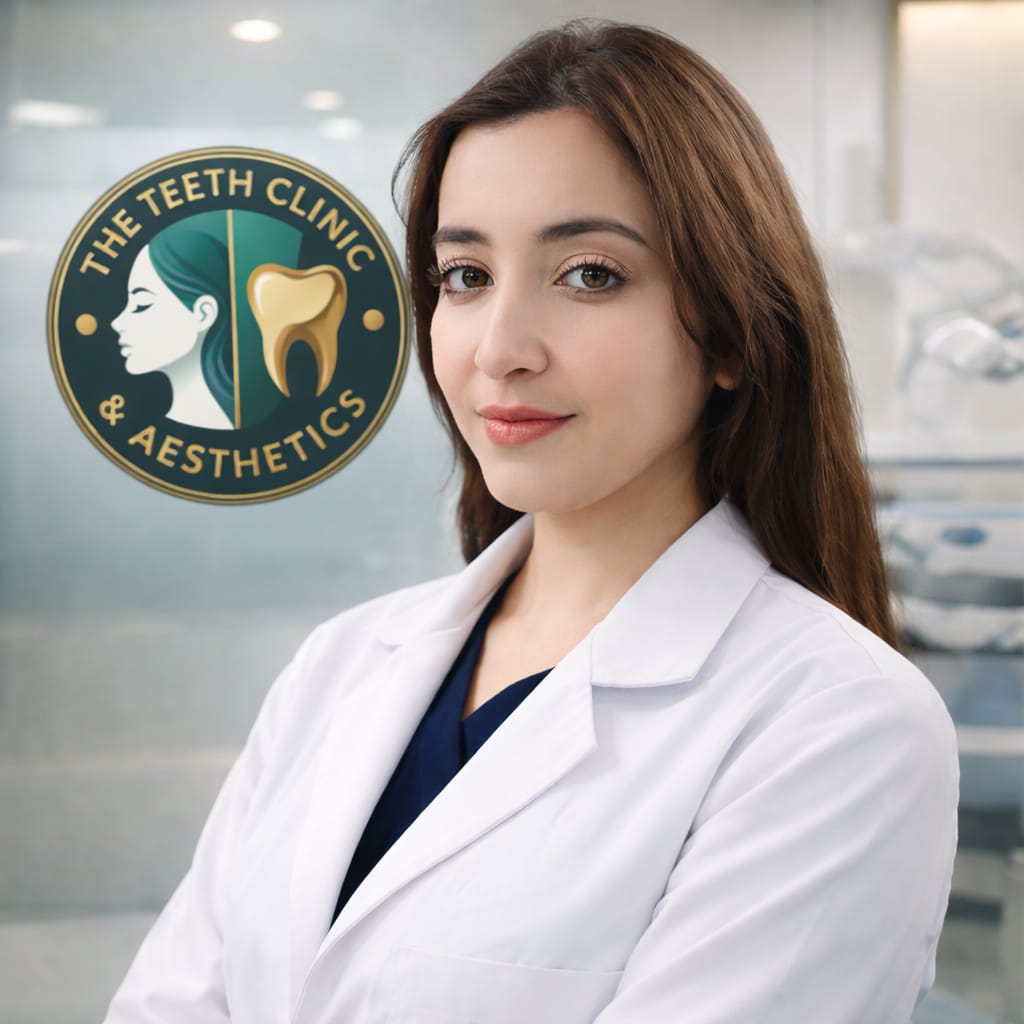
Dr. Afshan Pervez
Lead Dental Surgeon & Aesthetician | BDS, RDS, Orthodontist
Dr. Afshan Pervez is a distinguished Lead Dental Surgeon and Orthodontist with over 14 years of clinical experience. Holding credentials of BDS and RDS, her expertise is backed by an Integrated Masters from Portugal and specialized training in Implant Dentistry from Hong Kong, alongside advanced studies in the USA and Denmark. Dr. Pervez specializes in complex surgery, endodontics, and aesthetic medicine, emphasizing a biological and minimally invasive approach to dental health at The Teeth Clinic.
Last clinically reviewed: 03/04/2026