
How Do Hormonal Changes During Pregnancy Affect the Gums? Causes and Care
Direct Answer
Hormonal changes during pregnancy, specifically the surge in progesterone and estrogen, increase blood flow to the gums and alter the body's inflammatory response to plaque. This leads to pregnancy gingivitis, characterized by swelling, redness, and bleeding. Understanding this biological shift is crucial for maintaining both maternal oral health and preventing systemic complications that could affect fetal development.
Pregnancy is a period of profound physiological transformation. While much of the focus naturally gravitates toward the developing life within, the systemic shifts occurring in a woman’s body resonate far beyond the womb. One of the most significant, yet frequently overlooked, areas of change is the mouth. The oral cavity acts as a sensitive barometer for hormonal fluctuations, often reacting with surprising intensity to the surge of estrogen and progesterone. For the expectant mother, understanding this biological dialogue between her hormones and her gums is not just a matter of comfort; it is a vital component of prenatal wellness.
In our practice, we often see expectant mothers who are distressed by the sudden appearance of 'pregnancy tumors' or exaggerated bleeding despite no change in their hygiene habits. We reassure them that these are hyper-reactive responses to even minute amounts of plaque. By implementing gentle ultrasonic scaling and a tailored antimicrobial strategy, we can typically resolve these symptoms effectively during the second trimester, preventing the progression into chronic periodontal issues.
— Clinical Observation

The Biological Link: How Hormones Reshape Your Oral Microbiome
The primary architects of oral change during pregnancy are progesterone and estrogen. While these hormones are essential for maintaining a healthy pregnancy, they also alter the way the body interacts with common oral bacteria. Progesterone, in particular, increases blood circulation to the gingival tissues. This surge in blood flow makes the gums more vascular and, consequently, more prone to swelling and sensitivity. It is a biological paradox: the very hormones protecting the pregnancy also make the oral tissues more permeable and vulnerable to irritation.
Furthermore, the body’s inflammatory response undergoes a dramatic shift. Under normal circumstances, your immune system manages the bacteria in dental plaque with a balanced reaction. However, during pregnancy, this response becomes hyper-reactive. Even a small amount of plaque—which might have caused no issues previously—can trigger a disproportionate level of inflammation. This is why many women notice their gums reacting more aggressively to their usual habits. It is not necessarily that the hygiene has worsened, but rather that the 'threshold' for irritation has been lowered by hormonal influence.
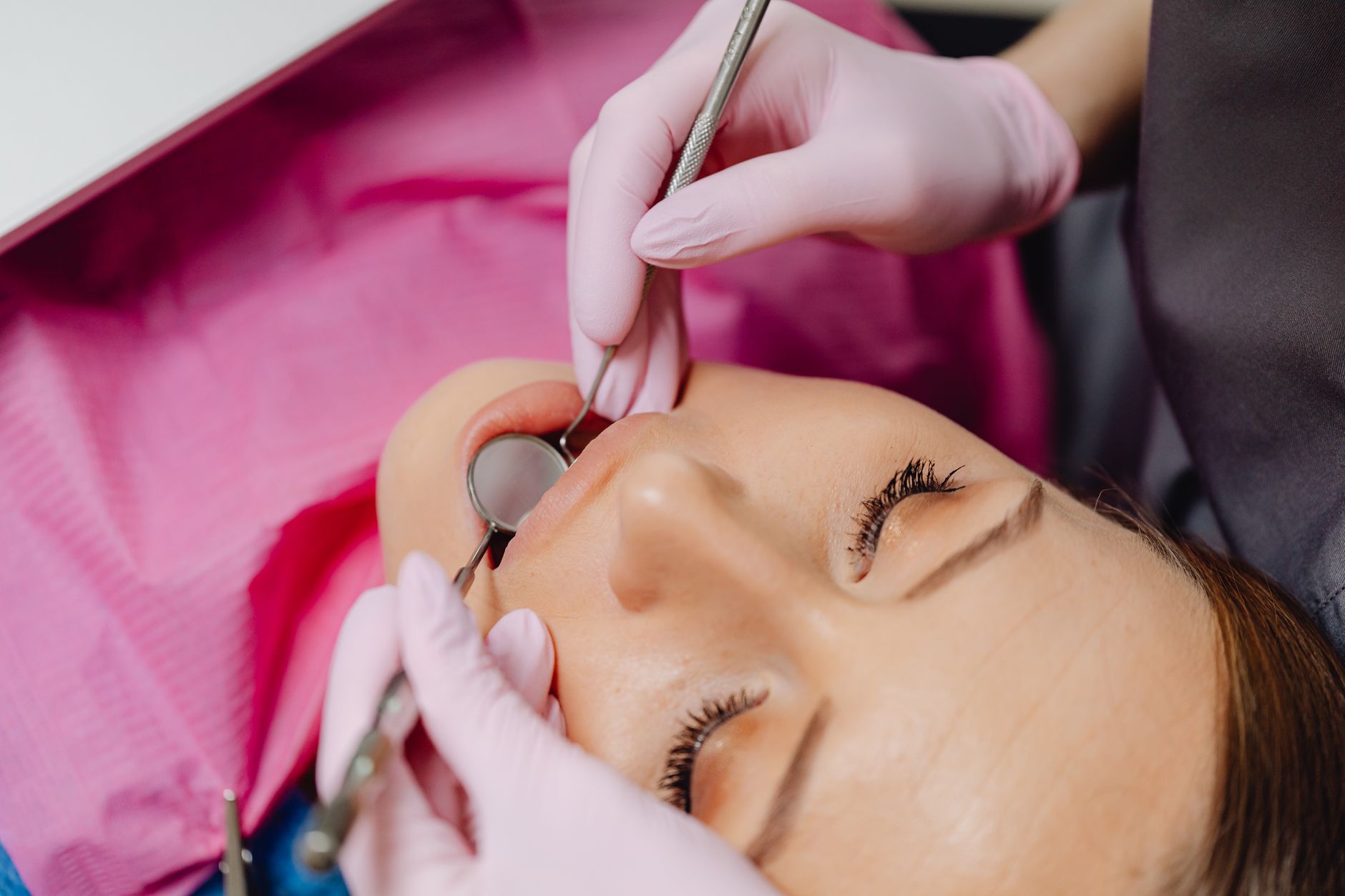
Distinguishing between normal sensitivity and clinical pregnancy gingivitis is essential. While a slight increase in tenderness is common, gingivitis involves a persistent inflammatory state. It is characterized by a breakdown in the gum’s protective barrier, allowing bacteria to cause more significant damage. Recognizing this shift early allows for interventions that prevent the progression into more serious [what-is-the-difference-between-gingivitis-and-periodontitis](periodontal conditions).
Recognizing Pregnancy Gingivitis: Symptoms You Shouldn't Ignore
Pregnancy gingivitis is perhaps the most common oral manifestation of the gestational period, affecting a significant majority of expectant mothers. It typically manifests as redness, swelling, and a distinct tendency for the gums to bleed during routine brushing or flossing. While it might be tempting to dismiss 'pink in the sink' as a temporary nuisance, these symptoms indicate that the gingival tissues are in a state of distress and may require [bleeding-gums-treatment](professional attention).

The tenderness associated with pregnancy gingivitis is often diffuse, affecting the entire gum line rather than a single tooth. This global sensitivity can make the simple act of eating or cleaning your teeth uncomfortable. However, avoiding hygiene because of discomfort creates a self-perpetuating cycle: plaque accumulates, inflammation increases, and the gums become even more sensitive. It is important to view these symptoms not as a fleeting side effect, but as a signal that the oral environment requires extra attention.
Timing is also a key factor. While these symptoms can appear at any point, they often peak during the second trimester. This correlates with the period when hormone levels are rising most sharply. By the third trimester, the body often reaches a plateau, but the inflammation can persist if the underlying plaque is not managed. Monitoring these changes month-by-month helps in tailoring your care to the specific needs of each stage of pregnancy.
The Pyogenic Granuloma: Demystifying 'Pregnancy Tumors'
The term 'pregnancy tumor' sounds inherently alarming, yet in clinical terms, these growths—known as pyogenic granulomas—are entirely benign. They are not cancerous, nor are they true tumors. Instead, they are exaggerated inflammatory responses to local irritation, such as trapped food particles or a concentrated area of plaque. They typically appear as small, red, raspberry-like nodules along the gum line, often between the teeth.

These growths are highly vascular, meaning they may bleed easily when touched or during meals. While they are most common on the gums, they can occasionally appear elsewhere in the mouth. Visually, they can be startling, but they are essentially a physical manifestation of the body's hyper-reactive state. They are most likely to appear in women who already have some degree of pregnancy gingivitis, reinforcing the need for meticulous plaque control.
The resolution path for a pyogenic granuloma is usually straightforward. While many of these growths resolve following delivery as hormone levels stabilize, professional clinical monitoring is essential to ensure a correct diagnosis and to oversee resolution. If a growth interferes with eating or causes significant discomfort, a dentist can perform a simple clinical removal during pregnancy, ideally during the second trimester. However, unless they are problematic, the standard approach is often watchful waiting and intensified hygiene.
The Maternal-Fetal Connection: Why Gum Health Matters for Baby
The importance of oral health during pregnancy extends far beyond the mother’s comfort. There is a compelling body of evidence linking untreated periodontal disease to adverse pregnancy outcomes, including preterm birth and low birth weight. The mouth is a gateway to the rest of the body, and the inflammation present in the gums does not always remain localized. It can have systemic implications that affect the developing fetus.

When gum disease progresses, oral bacteria and the inflammatory byproducts they produce can enter the bloodstream. Research suggests that these bacteria can travel to the placenta, potentially triggering the production of prostaglandins—chemicals that play a role in inducing labor. If the body perceives a high level of systemic inflammation, it may signal for labor to begin prematurely. This makes the 'Healthy Mouth, Healthy Baby' philosophy a cornerstone of modern prenatal care.
Prioritizing gum health is a proactive step in supporting a full-term pregnancy. By managing inflammation and keeping bacterial loads low, a mother is reducing one of the potential triggers for systemic stress. It is a powerful reminder that dental care is not a 'luxury' or an 'extra' during pregnancy; it is an essential component of the holistic care plan for both mother and child.
The Elevated At-Home Ritual: Gentle Care for Sensitive Tissues
When the gums are in a hyper-sensitive state, the standard approach to oral hygiene must be refined. The goal is to be thorough without being abrasive. Switching to an extra-soft bristled toothbrush is a simple but effective transition. High-quality soft bristles can effectively disrupt plaque biofilm without further traumatizing the delicate, swollen gingival tissues. Additionally, using a pH-balanced, alcohol-free oral rinse can help soothe inflammation and maintain a healthy microbial balance without the 'sting' of traditional mouthwashes.
Morning sickness presents a unique challenge for oral health. Gastric acid is highly corrosive to tooth enamel. A common mistake is to brush the teeth immediately after vomiting; however, this can actually scrub the acid deeper into the weakened enamel. The better approach is to rinse the mouth with a mixture of water and a teaspoon of baking soda. This neutralizes the acid effectively. Wait at least thirty minutes before brushing to allow the enamel to re-mineralize and harden. Additionally, learning [how-to-naturally-soothe-inflamed-and-irritated-gums](how to naturally soothe inflamed and irritated gums) can provide relief between visits.
Natural supports can also play a supportive role. Warm salt water rinses are a time-tested method for reducing swelling and drawing out impurities. The saline environment is less hospitable to certain bacteria and provides a gentle, anti-inflammatory effect that can be used several times a day. Consistency is the hallmark of success here; small, gentle, and frequent interventions are far more effective than aggressive cleaning sessions.
Safe Clinical Interventions: Dental Visits While Expecting
There is a common misconception that dental visits should be avoided during pregnancy. In reality, the opposite is true. Professional cleanings are more important than ever to manage the exaggerated response to plaque. The 'Golden Window' for dental care is the second trimester. During this time, the initial morning sickness of the first trimester has usually subsided, and the physical discomfort of the late third trimester has not yet set in. It is the ideal time for routine cleanings and any necessary fillings.
Modern dental protocols are designed with the safety of the mother and baby in mind. Diagnostic X-rays, when necessary, are considered [are-routine-dental-x-rays-safe-during-early-pregnancy](safe with the use of leaded aprons) and thyroid collars, especially with digital radiography which uses minimal radiation. Local anesthetics like lidocaine are commonly used and generally considered safe during pregnancy; however, your dental team will coordinate with your obstetrician to ensure the safest possible protocol. The key is open communication. Always inform your dental team about your pregnancy, your due date, and any specific symptoms or concerns you are experiencing.
Emergency procedures—such as treating an abscess or a severely broken tooth—should never be delayed. An active infection in the mouth poses a much greater risk to the pregnancy than the dental treatment itself. A professional dental team will work in tandem with your obstetrician if needed to ensure that all interventions are timed and executed with the highest level of safety.
Nutritional Synergy: Eating for Bone and Gum Strength
Dietary choices during pregnancy do double duty: they fuel the baby’s development and fortify the mother’s oral defenses. Vitamin C is a critical nutrient for gum health, as it is essential for the repair of connective tissues and the maintenance of the periodontal ligament. Incorporating citrus fruits, bell peppers, and leafy greens can provide the collagen-building blocks the gums need to remain resilient against inflammation.
Calcium and Vitamin D are equally vital. While the old myth that 'the baby steals calcium from the mother's teeth' is false, the body does require adequate calcium to maintain the bone density of the jaw that supports the teeth.
Frequently Asked Questions
General
What is pregnancy gingivitis and why does it happen?
What is pregnancy gingivitis and why does it happen?
Pregnancy gingivitis is an inflammation of the gums caused by increased levels of progesterone and estrogen, which make the gingival tissues more sensitive to plaque bacteria and increase blood flow to the area.
General
Are dental X-rays safe to have while I am pregnant?
Are dental X-rays safe to have while I am pregnant?
Yes, routine dental X-rays are considered safe during pregnancy. Modern digital radiography uses very low radiation, and the use of leaded aprons and thyroid collars provides excellent protection for both mother and baby.
General
What are 'pregnancy tumors' on the gums?
What are 'pregnancy tumors' on the gums?
Known clinically as pyogenic granulomas, these are benign, non-cancerous growths that appear as red, raspberry-like nodules. They are an exaggerated inflammatory response to local irritation and usually disappear after delivery.
General
Can gum disease affect my baby's health?
Can gum disease affect my baby's health?
Untreated periodontal disease has been linked to adverse pregnancy outcomes such as preterm birth and low birth weight, as oral bacteria and inflammation can enter the bloodstream and affect the placenta.
Key Takeaways
- Hormonal surges increase gingival vascularity, making gums more susceptible to inflammation and bleeding from routine plaque.
- Pregnancy gingivitis is a common condition that requires professional monitoring to prevent its progression to more serious periodontal disease.
- Benign 'pregnancy tumors' or pyogenic granulomas can occur due to local irritation but usually resolve post-delivery under professional supervision.
- The second trimester is the optimal 'Golden Window' for routine dental care, including professional cleanings and necessary restorative work.
- Oral health is directly linked to systemic health; treating gum disease is a proactive step in reducing the risk of adverse pregnancy outcomes like preterm birth.
Dr. Afshan Pervez
Lead Dental Surgeon & Aesthetician | BDS, RDS, Orthodontist
Dr. Afshan Pervez is the Lead Dental Surgeon & Aesthetician at The Teeth Clinic with over 14 years of diverse clinical experience. A highly credentialed professional with BDS and RDS qualifications and a specialization in Orthodontics, she has acquired international expertise through an Integrated Masters in Portugal, and advanced training in Implant Dentistry in Hong Kong and Dental Medicine in the USA. Dr. Pervez's multidisciplinary background spans surgery, endodontics, and aesthetic medicine, allowing her to provide holistic and clinically rigorous care for patients with complex physiological needs, including prenatal dental health.
Last clinically reviewed: 05/04/2026