
The Strange Quiet of the Thaw: My Perspective on Post-Dental Numbness
Direct Answer
Local anesthesia generally lasts between two to four hours for soft tissues like the lips and tongue, though the numbing effect on the teeth usually wears off faster. Factors such as the type of anesthetic used, the location of the injection, and your individual metabolism determine the exact recovery timeline.
I see it every single day—that glazed, lopsided stare as the chair reclines back up. It is a peculiar cocktail of relief and 'heavy' disorientation. You have just survived the restorative work or perhaps a high-stakes PRF regenerative surgery, but as you cross my threshold to leave, you are carrying a lip that feels like a lead weight and a tongue that has forgotten how to speak. I realize that for you, the question of how long numbness lasts after a dental procedure is not some abstract clinical inquiry. It is a logistical hurdle for your afternoon.
In our practice, we often see that patients undergoing advanced regenerative procedures, such as PRF (Platelet-Rich Fibrin) surgery, may perceive the 'thaw' differently due to localized post-surgical inflammation. While the anesthetic drug itself follows a standard metabolic half-life, the introduction of concentrated growth factors and the subsequent tissue response can create a lingering sensation of fullness or 'heaviness' that patients sometimes mistake for prolonged anesthesia.
— Clinical Observation

In my clinic, I don't consider the 'procedure' finished until your nerves are firing on all cylinders again. I want to pull back the curtain on this chemical ceasefire. It isn't a one-size-fits-all timer; rather, it is a metabolic conversation between my chosen anesthetic and your unique physiology. Understanding this process is as vital as knowing the complete guide to tooth extraction healing time for your overall recovery plan.
The Molecular Barricade: How I Hijack Your Pain
When I deliver local anesthesia, I am essentially deploying a temporary tactical blackout of your nerve communication. My target? The sodium channels. Imagine these as tiny, frantic gates that allow pain signals to sprint toward your brain. By parking anesthetic molecules directly at these gates, I ensure they stay slammed shut. No signal, no agony. It is an elegant interruption, yet your biology eventually demands its sovereignty back.

Patients often describe the 'waking up' phase as a fizzing, static-like sensation. In my world, we call this paresthesia. I actually love hearing that you feel it! It tells me your bloodstream is successfully hauling the anesthetic away and those sodium gates are finally creaking open. I don’t just grab a random vial from the tray; I calculate the chemistry based on what we are doing. For those undergoing complex treatments, I often discuss sleep dentistry sedation options to ensure maximum comfort during the 'blackout' phase.
The Afternoon Fog: Mapping the Thaw
The timeline? It is a spectrum, not a clock. Generally, I tell my patients to anticipate a soft-tissue 'freeze' lasting two to four hours. But here is the quirk: your tooth usually regains its 'voice' much faster than your cheek. You might feel a sharp, cold sensation on the tooth ninety minutes in, while your lip still feels three sizes too large. Why the disconnect? Your soft tissues act like a biological sponge, gripping the anesthetic molecules far longer than the dense, mineralized structure of the tooth.
A Tale of Two Jaws: Why the Lower Arch Lingers
I often have to explain why the 'numb' experience feels so different depending on the location of the work. Your upper jaw is porous, akin to soft pine. The anesthetic I place there stays localized and dissipates predictably. However, your lower jaw is dense, more like architectural mahogany. To get you comfortable there, I usually perform a 'nerve block' near the hinge of the jaw. This single point of contact shuts down the entire quadrant—tongue, chin, and teeth included. It is remarkably effective, but it is also why the bottom arch feels 'frozen' significantly longer than the top.

The Danger of the First Meal: My Survival Rules
The greatest risk following surgery isn't the incision—it’s your own teeth. When you are profoundly numb, your brain loses its biofeedback loop. I have seen patients accidentally cannibalize their own cheek because they couldn't feel the pressure of their bite. It is a guaranteed recipe for a nasty ulcer the following morning. If you are recovering from a more invasive procedure, learning how to manage a dry socket after extraction is equally important for your safety.

Temperature is your other silent enemy. Please, put down the steaming espresso. I have treated thermal burns on the palate because the 'too hot' alarm bells were silenced by my anesthesia. Stick to cool or lukewarm intake, as the temporary loss of thermal sensitivity prevents your body from detecting temperatures that could cause severe intraoral burns. I recommend these nutrient-dense options during the transition:
- Room-temperature protein shakes: High fuel, zero chewing risk.
- Chilled Greek yogurt: Soothing for the surgical site and the gut.
- Mashed avocado: Healthy fats that won't fight back.
- Lukewarm bone broth: Vital collagen support for your recovery.
The 24-Hour Rule: When to Call Me
While the 'thaw' is usually as predictable as the tide, I want you to watch for the outliers. It is normal to feel 'zingy' or 'electric' as the nerves wake up. But if you are still feeling significant, heavy numbness 24 hours after leaving my chair, I need a phone call. This is my '24-hour rule.'

Prolonged paresthesia can occur if a nerve was slightly nudged or if post-operative swelling is creating localized pressure. Because my practice focuses on a regenerative approach, I take this very seriously. If sensation hasn't significantly returned by the next morning, clinical intervention like low-level laser therapy may be utilized to support the nerve recovery process and monitor progress.
Frequently Asked Questions
General
How long does local anesthesia usually last after a dental procedure?
How long does local anesthesia usually last after a dental procedure?
Generally, soft-tissue numbness lasts between two to four hours. However, the tooth itself often regains sensation much faster, typically within 60 to 90 minutes, as soft tissues like the cheeks and lips act as a biological sponge for the anesthetic.
General
Why does my lower jaw stay numb longer than my upper jaw?
Why does my lower jaw stay numb longer than my upper jaw?
The lower jaw is denser and requires a 'nerve block' near the hinge of the jaw to be effective. This shuts down the entire quadrant, including the tongue and chin, and takes longer to dissipate compared to the more porous upper jaw.
General
Can I speed up the process of the numbness wearing off?
Can I speed up the process of the numbness wearing off?
Yes, staying hydrated helps your system filter the anesthetic faster. Additionally, a brisk walk can increase circulation, potentially shaving 30 minutes off the recovery time. Always consult your dentist before massaging the area, especially after a graft.
General
When should I be concerned about prolonged numbness?
When should I be concerned about prolonged numbness?
You should follow the '24-hour rule.' If you still feel significant, heavy numbness or a lack of sensation 24 hours after your procedure, contact your dentist immediately to rule out nerve irritation or localized pressure from swelling.
Key Takeaways
- Expect soft-tissue numbness to persist for 2 to 4 hours post-procedure.
- Lower jaw procedures typically take longer to wear off due to the nature of mandibular nerve blocks.
- Avoid chewing or consuming hot beverages until sensation is fully restored to prevent self-inflicted injury or thermal burns.
- The 24-Hour Rule: Any significant numbness remaining the day after a procedure requires an immediate clinical evaluation.
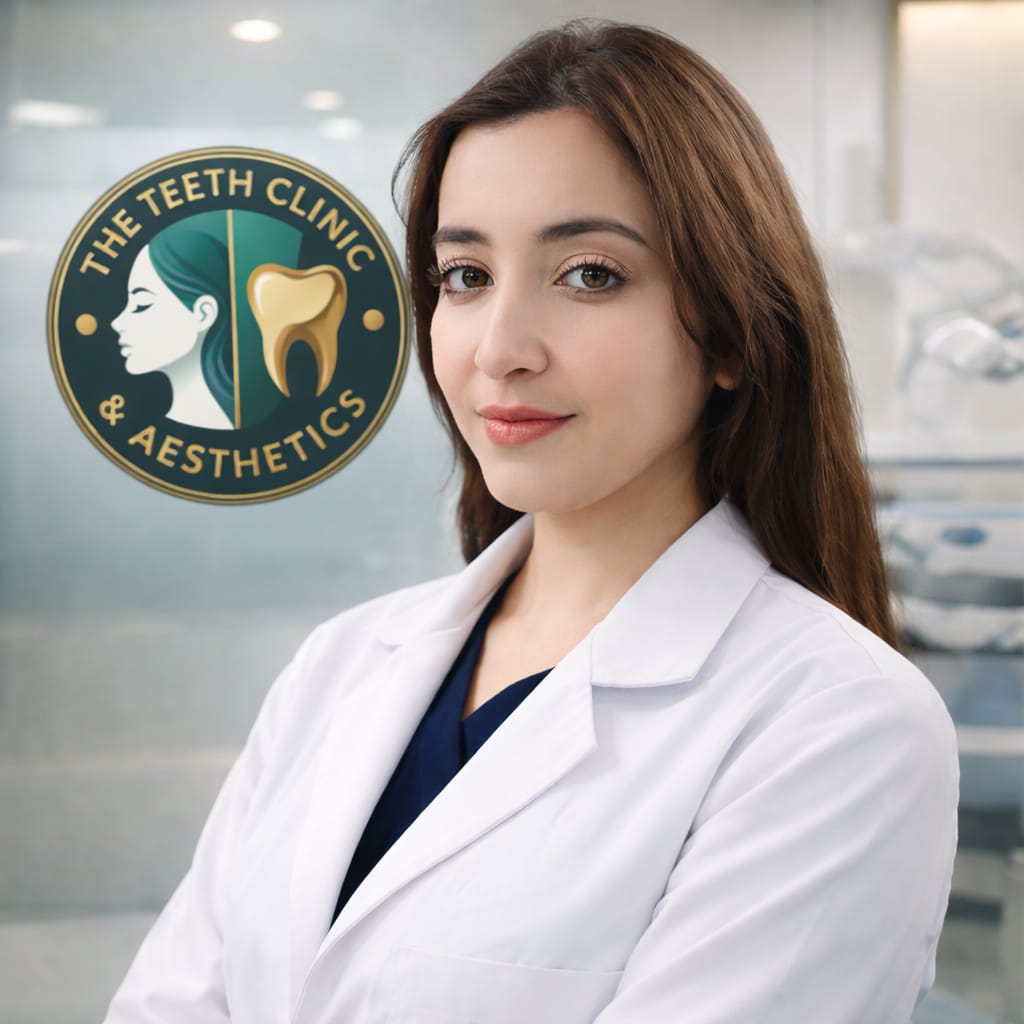
Dr. Afshan Pervez
Lead Dental Surgeon & Aesthetician | BDS, RDS, Orthodontist
Dr. Afshan Pervez is the Lead Dental Surgeon and Aesthetician at The Teeth Clinic, with over 14 years of experience in surgery, orthodontics, and aesthetic medicine. She holds a BDS and RDS, with an Integrated Masters from Portugal and advanced training in implant dentistry from Hong Kong and dental medicine from the USA. Dr. Pervez is a specialist in complex restorative and regenerative treatments, including PRP and PRF therapies, and holds a global health certification from Denmark.
Last clinically reviewed: 07/04/2026