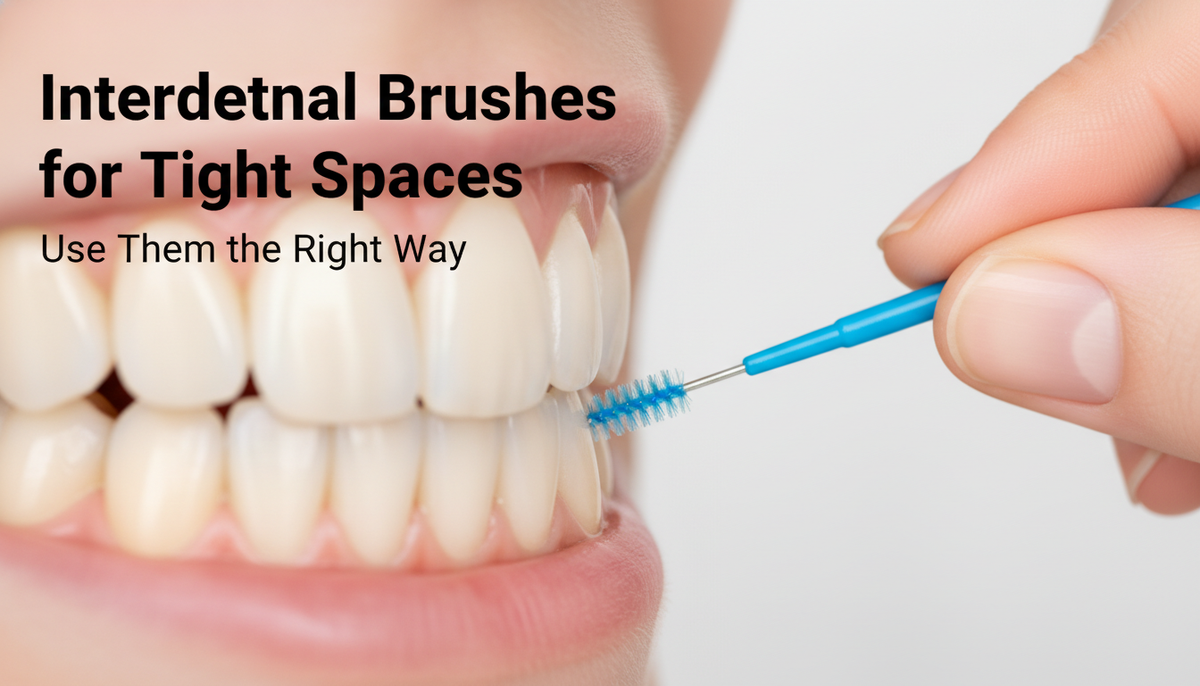
Between the Teeth: My Ritual of the Interstitial Gaps
I’ve developed a fixation. It’s not on the pearly whites you see in a portrait, but on the occluded, dark corridors where those teeth actually meet.

For a long time, I treated my mouth like a two-dimensional surface. I was wrong. My oral health isn't about the show; it's about the shadows. I’ve transitioned from the mindless "scrub" to a meticulous, almost meditative architecture of care. To me, the "interstitial" zone is where the real health of a person is decided. I don't just brush anymore; I navigate. It’s about precision, not just "cleaning." This is the most effective way how to remove plaque from teeth safely without damaging the enamel.
I’ve abandoned the old-school mindset. Interdental brushes have become my primary instrument, replacing the clumsy, primitive sensation of string floss. This isn't a task to check off a list; I’ve reframed it as a bespoke ritual. It is a focused process of preserving my gum integrity and ensuring my teeth stay anchored for the decades to come.
The Geometry of Failure: Why I Quit String Floss
I followed the "floss or die" dogma for decades, yet my gums remained moody and prone to irritation.
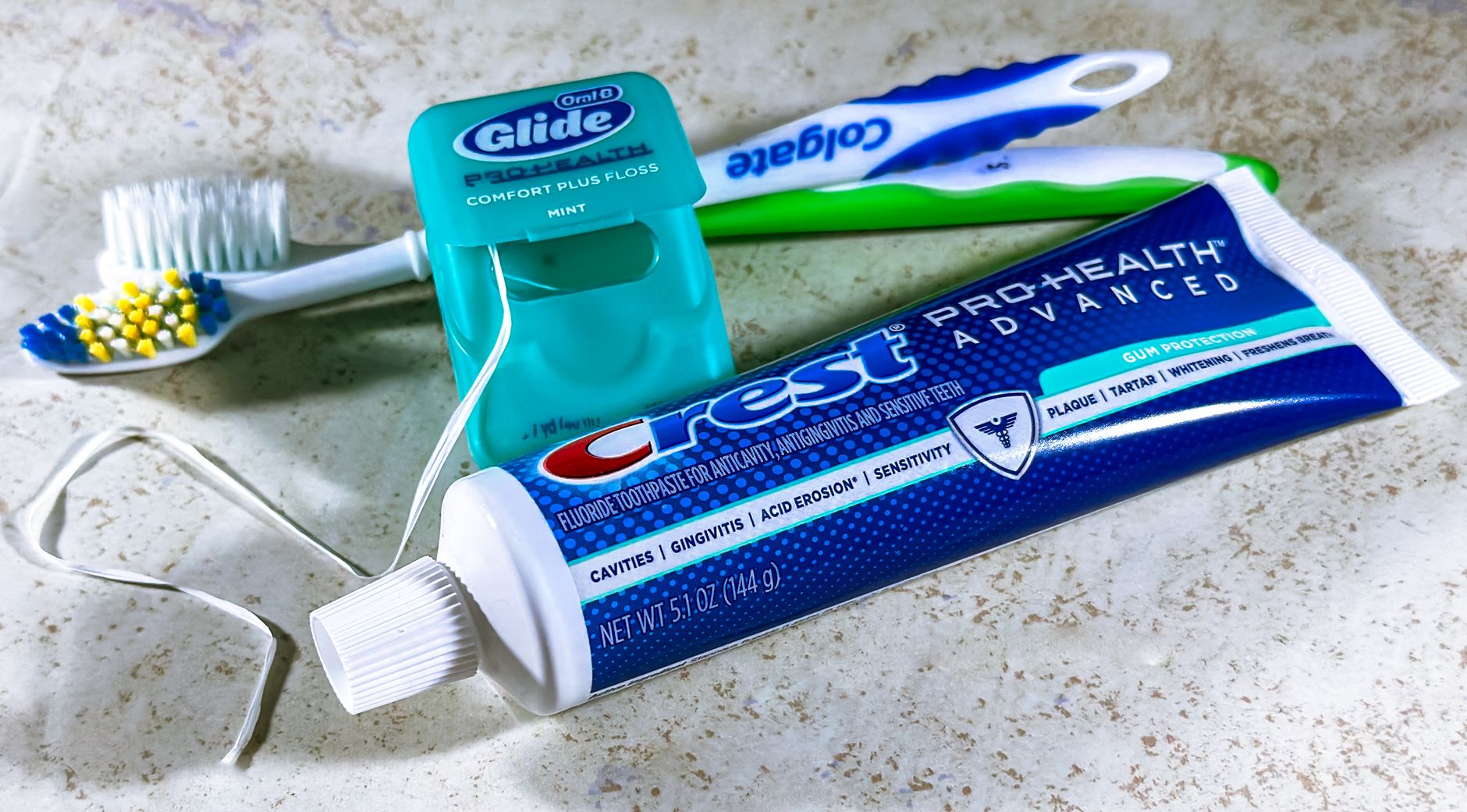
Why? Simple physics. When I pull a piece of string floss tight, it forms a straight line. But my molars? They aren't flat blocks. They have "waists"—concave curves and subtle indentations near the gum line. If you've ever wondered why do my gums bleed only when i floss, the answer often lies in the physics of the string. A straight string simply glides right over these hollows, leaving the biofilm untouched.
Then there is the mechanical trauma. In my mouth, where the spacing is tight, I’ve always despised that jarring "snap" when the floss finally forces its way through a contact point. It usually ends with the string slamming into my delicate gums like a blunt blade. These tight spaces are breeding grounds for anaerobic bacteria—the nasty kind that hate oxygen. To actually disrupt them, I need the mechanical scrubbing power of bristles that expand to fill the void.
The Goldilocks Standard: Finding My Gauge
If there is one thing I’ve learned, it’s that fit is everything.

If I use a brush that’s too slim, I’m just waving a stick in a cave—the bristles aren't hitting the walls. If I go too big, I’m forcing it and risking gum recession. I now treat the color-coded sizing systems like a high-end toolkit. I don't guess; I feel for the friction.
I live by what I call the "Resistance Rule." When I slide a brush into a gap, I want to feel a definite sense of engagement—the bristles should be working against the tooth surface—but the wire core should never bend. If it buckles, I’ve gone too big. If it slides through like it’s floating in mid-air, it’s too small.
Technique Over Tension: The "Calligraphy" Flow
I used to be aggressive with my hygiene, but I’ve traded power for finesse.

I hold the brush like a fine calligraphy pen, not a hammer. This light grip gives me the sensitivity to feel the nuances of the tooth's surface. My goal isn't to blast through; it's to navigate the papilla—that sensitive triangle of gum—without causing a scratch. It’s about the "glide," not the grind.
Frequently Asked Questions
General
Why are interdental brushes often considered more effective than traditional string floss?
Why are interdental brushes often considered more effective than traditional string floss?
Traditional string floss moves in a straight line and often glides over the concave curves or 'waists' of the molars. Interdental brushes feature bristles that expand to fill these interstitial gaps, providing a mechanical scrubbing action that disrupts biofilm and plaque in areas a flat string cannot reach.
General
How do I determine the correct size for an interdental brush?
How do I determine the correct size for an interdental brush?
Follow the 'Resistance Rule': the brush should be large enough that you feel the bristles engaging with the tooth surfaces, but not so large that the wire core bends or buckles when inserted. If the brush slides through without any friction, it is likely too small to be effective.
General
Why do gums sometimes bleed when flossing or using interdental tools?
Why do gums sometimes bleed when flossing or using interdental tools?
Bleeding is often caused by mechanical trauma from 'snapping' string floss into delicate tissue or by existing inflammation from anaerobic bacteria. Using a properly sized interdental brush can help disrupt these bacteria more gently and effectively, leading to healthier gum integrity over time.
General
What is the proper technique for using an interdental brush without damaging the gums?
What is the proper technique for using an interdental brush without damaging the gums?
Hold the brush with a light grip, similar to a calligraphy pen, to increase tactile sensitivity. Instead of using force, focus on a gentle 'glide' to navigate around the papilla (the triangular gum tissue) and ensure you are cleaning the tooth surface rather than grinding against the gums.