
My Battle with the Crackle: How I Finally Tamed Angular Cheilitis at Home
I distinctly recall the first time my smile literally felt like it was breaking. It wasn’t just a patch of dry skin; it was an incendiary, sharp tug at the very corners of my mouth that turned every yawn into a gamble and every spicy chip into a weapon of war. I eventually discovered this pesky condition has a name—angular cheilitis, or perleche—and it specifically targets the labial commissures. Because our mouths are basically high-traffic zones of motion and moisture, these tiny fissures quickly spiral into a stubborn, weeping mess that refuses to heal without a serious tactical shift.
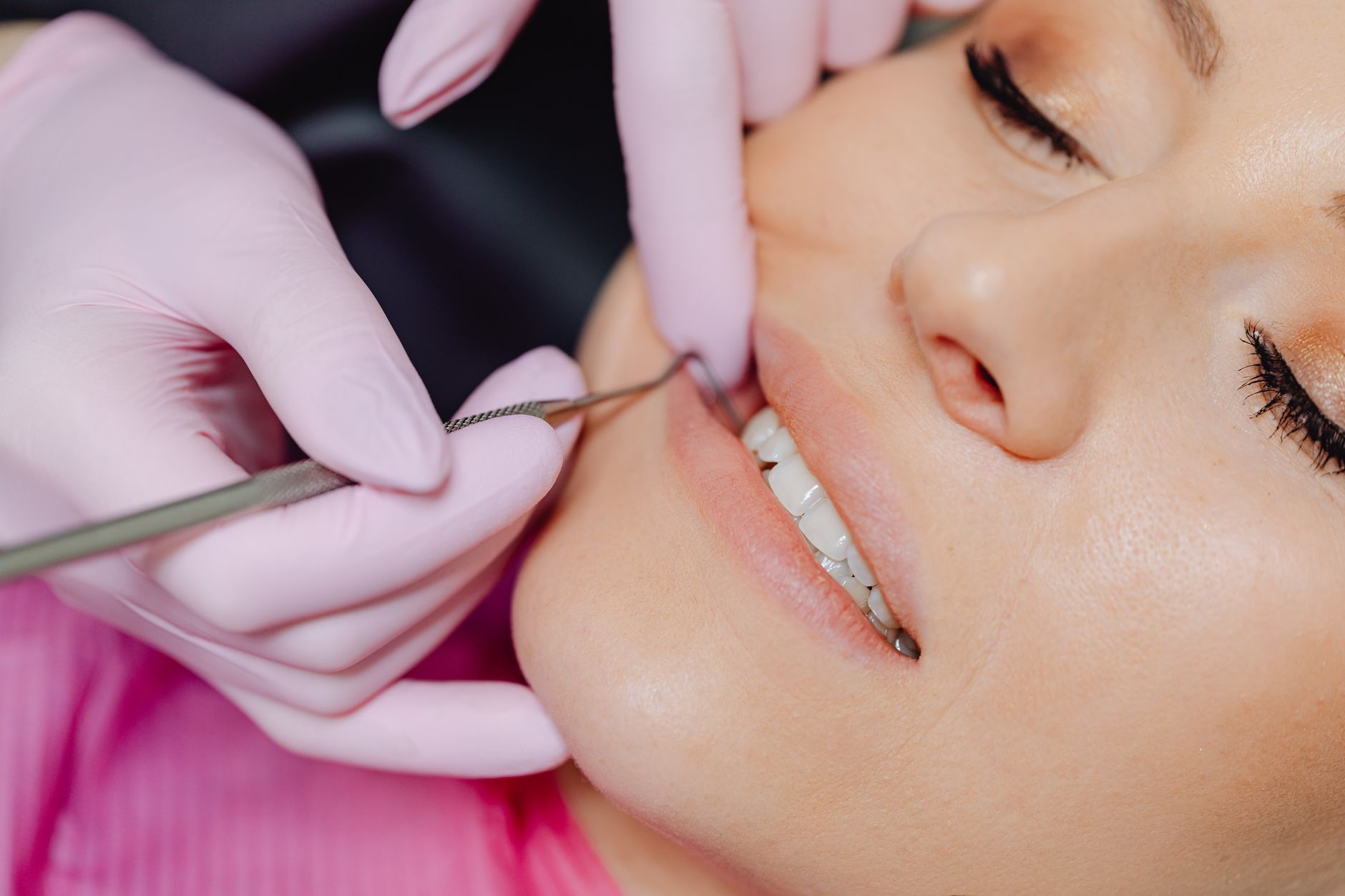
When I dove into the world of how to treat angular cheilitis at home, I realized I had been looking at it all wrong. I treated it like a surface wound, when it was actually an environmental disaster. To fix it, I had to stop the "wet-dry-split" cycle. I needed to wage a two-front war: one to evict the fungal squatters living in the cracks and another to build a waterproof barricade so my skin could actually knit itself back together. By shifting my strategy, I went from weeks of misery to seeing the redness fade in less than forty-eight hours.
Is it Cheilitis or a Cold Sore? My Mirror Check
Before I started slathering on remedies, I had to play detective. I’ve seen so many people panic and treat these cracks with cold sore creams, which is basically throwing money down the drain. For me, the "bilateral rule" is the ultimate giveaway. Cold sores (the viral kind) usually show up as a singular cluster of blisters on one side. In contrast, angular cheilitis is almost always a mirror image—irritation blooming in both corners simultaneously. This symmetry suggests the problem is systemic or mechanical, not a viral outbreak.

When I peer into the mirror during a flare-up, I’m looking for a specific triangular wedge of angry, red skin. It doesn’t usually blister; it splits. There might be a weird, white film or a crusty texture that looks like I’ve been eating powdered sugar. If the pain is a localized, sharp sting whenever I open my mouth wide, I know I'm dealing with cheilitis. Catching this distinction early stops me from using harsh antivirals that would only irritate the fungal-prone area further.
The Saliva Trap: Why My Own Mouth Was Attacking Me
My biggest mistake? Licking the cracks to soothe the burn. I didn't realize I was feeding the beast. I eventually stumbled upon the concept of "salivary stasis." See, saliva is designed to break down proteins and starches—it’s essentially a digestive juice. When it pools in the corners of my mouth—whether because I'm sleeping on my side, wearing a face mask too long, or dealing with slight dental alignment issues—it starts to "digest" my skin. This creates a soggy, macerated environment that is basically a five-star resort for Candida albicans, the same yeast responsible for what are the symptoms of oral thrush in adults.

Winter makes this ten times worse. The cold air sucks the moisture out of my face, I lick my lips to compensate, and the cycle resets. The enzymes in my spit erode the protective barrier, the yeast moves into the damp cracks, and suddenly, I have a full-blown infection. I had to learn that the "soothing" moisture of my tongue was actually a catalyst for my own skin’s breakdown.
The Shield Strategy: My Clinical Barrier Method
If you’re hunting for the secret on how to treat angular cheilitis at home, let me save you the trouble: you have to waterproof your face. You cannot heal skin that is constantly being marinated in spit. I developed a "fortress" approach to keep the external moisture out while letting the internal healing begin.
- The Petroleum Barrier: I rely on pure, fragrance-free white petroleum jelly. It’s thick, occlusive, and boring—which is exactly what raw skin needs. I apply a heavy layer before eating, drinking, or sleeping. It acts like a rain slicker, making sure any saliva just slides right off rather than soaking into the wound.
- Zinc Oxide (The Overnight Fix): When the corners are "weepy" or particularly bright red, I reach for a high-percentage zinc oxide cream—the stuff used for diaper rash. Zinc is a powerhouse desiccant. It sucks up the excess fungal-friendly moisture and provides a physical wall that stays put. A thick dab at bedtime usually results in a 50% reduction in redness by sunrise.
- The No-Lick Protocol: This required some serious mental discipline. I had to consciously stop "checking" the cracks with my tongue. Every lick is a setback.

Pantry Solutions: Antifungals That Actually Work
While barriers are great for protection, I also need to address the microbial "hitchhikers." I’ve found a few household staples that act as potent, natural alternatives to store-bought creams:
Diluted Tea Tree Oil: This is my go-to antifungal. Warning: never put this on straight or it will feel like liquid fire. I mix one drop with a dollop of coconut oil and apply it with a Q-tip. It’s incredibly effective at nuking the yeast population. Manuka Honey: If the cracks are deep and painful, I use medical-grade honey. Its low pH and natural hydrogen peroxide content make it a nightmare for bacteria, and it keeps the skin flexible so it doesn't snap when I talk. Virgin Coconut Oil: Packed with lauric acid, this is my "light" daytime moisturizer. It offers a mild antimicrobial punch without the greasy shine of petroleum.
The Vitamin Connection: Healing from the Inside Out
I noticed my cheilitis tended to flare up when I was burnt out and living on caffeine. This led me to a crucial discovery: my skin’s structural integrity is tied to my gut. Specifically, a Riboflavin (B2) deficiency is notorious for causing mouth-corner splits. Just as you might learn how to remineralize tooth enamel at home, you must also nourish your soft tissues. When I’m in the middle of a flare-up, I immediately boost my intake of leafy greens, eggs, and fortified cereals.

Iron and Zinc are the other two pieces of the puzzle. If my iron is low, my skin becomes thin and loses its "snap," making it far more likely to tear. I’ve started treating these mouth sores as a dashboard warning light for my body’s internal nutrition. When I see a crack forming, I reach for pumpkin seeds and lean proteins to fortify my defenses from within.
Breaking the Re-Infection Loop
One final lesson I learned the hard way: your tools can betray you. If I use a lip balm stick while I have an active infection, I’m just colonizing that tube with yeast. The moment my skin starts to heal, I toss my old toothbrush and sanitize any lip products I used. Preventing the re-infection loop is just as important as the initial treatment. By staying vigilant with my barrier creams and keeping my B-vitamin levels in check, I’ve managed to turn a chronic, painful nightmare into a rare, easily managed hiccup.
Frequently Asked Questions
General
How can I tell if I have angular cheilitis or a cold sore?
How can I tell if I have angular cheilitis or a cold sore?
The main giveaway is symmetry; angular cheilitis is almost always 'bilateral,' appearing in both corners of the mouth simultaneously, while cold sores typically appear as a single cluster of blisters on one side. Cheilitis looks like a red, triangular wedge or a crusty split rather than a viral blister.
General
What is the fastest way to treat cracked mouth corners at home?
What is the fastest way to treat cracked mouth corners at home?
A two-front strategy works best: first, use a high-percentage zinc oxide cream (like diaper rash cream) overnight to dry out excess moisture. Second, apply a thick barrier of pure white petroleum jelly before eating or sleeping to waterproof the area and prevent saliva from further irritating the skin.
General
Why does my angular cheilitis keep coming back even after using lip balm?
Why does my angular cheilitis keep coming back even after using lip balm?
Standard lip balms often lack the necessary barrier strength to stop 'salivary stasis.' If you frequently lick your lips, you are introducing digestive enzymes and yeast (Candida) into the cracks. To stop the cycle, you must stop licking the area and use an antifungal agent like diluted tea tree oil or coconut oil to address the underlying infection.
General
Can a vitamin deficiency cause the corners of the mouth to split?
Can a vitamin deficiency cause the corners of the mouth to split?
Yes, a deficiency in Riboflavin (Vitamin B2) is a primary culprit for angular cheilitis. When the body lacks B2, the structural integrity of the skin around the mouth weakens. Boosting your intake of eggs, leafy greens, and fortified cereals can help heal the condition from the inside out.