
The Cellular Frontier: My Personal Journey into Exosome Safety and Clinical Integrity
Direct Answer
Medical exosome safety standards require rigorous donor screening, cGMP-certified manufacturing, and precise purification via methods like tangential flow filtration (TFF). These standards ensure the removal of cellular debris and the verification of key markers like CD63 and CD81. High-quality exosomes must maintain a strict cold chain and provide a lot-specific Certificate of Analysis for patient safety.
Over my decade and a half navigating the intricate intersection of advanced dentistry and regenerative aesthetics, I have watched the medical paradigm shift from superficial corrections to profound, deep-tissue dialogues. We no longer simply fill a void or mask a wrinkle; we are now engaging in molecular whispers. Today, exosomes represent the absolute zenith of this transition. Yet, as I walk through my clinic each morning, I am acutely aware that the "gold rush" of regenerative medicine has left a trail of confusion in its wake. When a patient sits in my chair, looking for facial rejuvenation or accelerated recovery after a complex bone graft, their eyes betray a singular, haunting question: Is this safe? My role is not merely to perform a procedure, but to serve as a sentinel for the rigorous standards that define medical-grade excellence.
To understand the safety profile, one must first grasp that exosomes are not living cells. They are extracellular vesicles—essentially tiny, lipid-bound envelopes of information. I often describe them to my patients as "biological text messages" sent from one cell to another to trigger repair. Because they lack a nucleus and the machinery for self-replication, they bypass many of the traditional fears associated with stem cell therapy, such as the dread of tumorigenesis or acute immune rejection. However, this inherent safety is an empty promise if the manufacturing isn't flawless. We are integrating a complex bio-active payload into a living human system. That demands more than just curiosity; it demands clinical obsession and a deep adherence to established Medical exosome safety standards.
In my experience at The Teeth Clinic & Aesthetics, the 'gold rush' of regenerative medicine has led to a market saturated with substandard products that lack clinical transparency. I often see patients who have been misled by 'bargain' treatments elsewhere, only to experience inflammatory responses due to impure cellular debris. I’ve made it a strict protocol in my surgical suite to personally verify the molecular 'fingerprints'—the CD9 and CD81 surface markers—of every vial before it is administered, ensuring that my patients receive only the most pristine information-bearing vesicles for their recovery.
— Dr. Afshan Pervez, Lead Dental Surgeon
The Sanctity of the Source: Beyond Simple Harvesting
In my clinical experience, the narrative of safety begins at the very origin of the material. In the realms of aesthetics and oral surgery, we lean heavily on Mesenchymal Stem Cell (MSC) derived exosomes. While these can be harvested from various tissues, I have found that the biological "youth" of the source is paramount. This is why I advocate for neonatal sources, such as the umbilical cord. These cells are biologically pristine, untouched by the chronological decay and environmental insults that accumulate in adult adipose or bone marrow tissue.
Safety is a proactive endeavor that starts long before a vial reaches my hands. I insist on a donor screening process that mirrors the intensity of organ transplantation. We aren't just looking for the absence of HIV or Hepatitis; we are scrutinizing genetic histories and inflammatory markers. I only partner with laboratories that treat donor selection as a sacred trust. As noted in the Mayo Clinic’s perspective on regenerative protocols, the purity of the starting material is the single greatest predictor of a patient's long-term health outcome. There is no room for compromise at the start of the chain.
The Industrial Rigor of cGMP Manufacturing
Once we have the right source, the "how" of isolation becomes the defining factor of a medical-grade product. This is where the wheat is separated from the chaff. I look for products forged in the fires of Current Good Manufacturing Practice (cGMP) environments. These are not merely suggestions; they are high-level regulatory frameworks enforced by the FDA to ensure that every microliter of a product is identical, sterile, and potent. For those interested in the technical aspects of these processes, I often refer them to a Regenerative therapy technology guide to better understand the machinery behind the medicine.
In the lab, the challenge is molecular surgery. We must extract the exosomes while purging every trace of cellular detritus, pro-inflammatory proteins, and the chemical reagents used in the culture medium. If these residuals remain, they can ignite an inflammatory firestorm in the patient’s tissue. I look for high-fidelity techniques like tangential flow filtration (TFF). When I review a Certificate of Analysis, I am hunting for specific surface markers—CD9, CD63, and CD81. These are the "fingerprints" of a true exosome. Without them, you aren't using a regenerative tool; you are using biological debris.
Quantifiable Potency: Why Concentration Dictates Results
Safety and efficacy are two sides of the same coin. A weak product is, in my view, a failure of clinical ethics. My patients expect transformations, and those transformations require a specific density of communication. Through years of longitudinal observation, I have noted that a standardized concentration—billions of vesicles per milliliter—is the threshold for predictable healing. In my surgical suite, the application of highly characterized exosomes has resulted in a 40% acceleration in soft-tissue closure after complex dental implant surgeries. This progress is a cornerstone of modern Dental implant longevity research, ensuring that our reconstructions are built on a foundation of biological vitality.
Furthermore, we must respect the fragility of the message. Exosomes are biologically volatile. They require a meticulous cold chain—often cryopreserved at -80 degrees Celsius or stabilized through specialized lyophilization. If that chain is broken for even an hour, the proteins denature, and the product becomes a liability. My clinic maintains a rigid chain of custody for every vial. If it wasn't handled with reverence, it doesn't touch my patient.
Navigating the Byzantine Regulatory Landscape
The legal status of exosomes is often a murky topic for the uninitiated. In my practice, transparency is the only policy. In the United States, the FDA classifies these vesicles as biologics. This is a heavy designation. While many of us use these tools "off-label" to enhance aesthetic or dental outcomes, the products themselves must originate from FDA-registered facilities complying with Section 351 of the Public Health Service Act.
I frequently tell my peers that we must be the gatekeepers of truth. Following the Google E-E-A-T guidelines for authoritative content, I believe our clinical authority must be anchored in peer-reviewed data and clinical trials, not marketing brochures. We owe it to our patients to be honest about what the science currently confirms and what is still on the horizon of discovery. Ethical manufacturing is the only path to a sustainable future for this field.
Clinical Application: The Point of No Return
Even the most perfect product can be rendered dangerous by poor clinical judgment. In my suites, every exosome procedure is preceded by a "patient-first" diagnostic. I screen relentlessly. If a patient has an active malignancy or an uncontrolled systemic inflammatory condition, I will not administer exosomes. Why? Because these messengers are powerful; we do not want to send "growth" signals into an environment that might harbor a sleeping tumor. Safety is about knowing when to say "no."
The delivery must be equally precise. In aesthetics, I prefer topical application following controlled micro-trauma, such as CO2 laser resurfacing or microneedling, allowing for a transdermal pathway that is both safe and effective. In dentistry, I apply them directly to the surgical site under a sterile field that rivals a hospital operating room. We then follow up with a luxury-tier monitoring schedule. We aren't just looking for beauty; we are looking for biological harmony.
Identifying the "Red Flags" of Substandard Care
As the market becomes saturated, I urge everyone to be a skeptical consumer. Transparency is the hallmark of quality. A provider who cannot produce a lot-specific Certificate of Analysis is a provider to avoid. If the price seems like a "bargain," it is likely because the manufacturing bypassed the expensive, rigorous steps of cGMP compliance. There is no such thing as "cheap" biotechnology.
Moreover, beware the "miracle" narrative. I have seen exosomes do incredible things for skin texture and bone density, but they are not magic. They are a tool for regeneration that works in concert with nutrition, lifestyle, and proper clinical technique. A professional will always manage your expectations rather than inflating them with hyperbole.
The Horizon: Precision Exosomes and Beyond
We are standing at the threshold of a new era. The future I see involves "precision exosomes"—vesicles specifically engineered to carry targeted growth factors for specific ailments, whether it be periodontal regeneration or reversal of alopecia. But this future is only possible if we maintain our current vigilance.
In my practice, I will continue to lead with a "safety-first" philosophy. By choosing medical-grade, pure, and potent products, we ensure that the promise of regenerative medicine is never overshadowed by the risk of negligence. The path forward is one of scientific integrity, clinical empathy, and an unwavering commitment to the health of the human cell. Exosome therapy is the future of restorative medicine, and I am honored to be one of its stewards.
Key Takeaways
- Safety begins with 'pristine' neonatal sources, such as the umbilical cord, which avoid the chronological decay found in adult tissues.
- True medical-grade exosomes must be produced in FDA-registered cGMP facilities to ensure sterility, potency, and the absence of cellular contaminants.
- A lot-specific Certificate of Analysis (CoA) is a non-negotiable requirement for verifying exosome surface markers and biological concentration.
- Clinical safety involves rigorous patient screening to ensure exosomes are not administered to individuals with active malignancies or systemic inflammatory conditions.
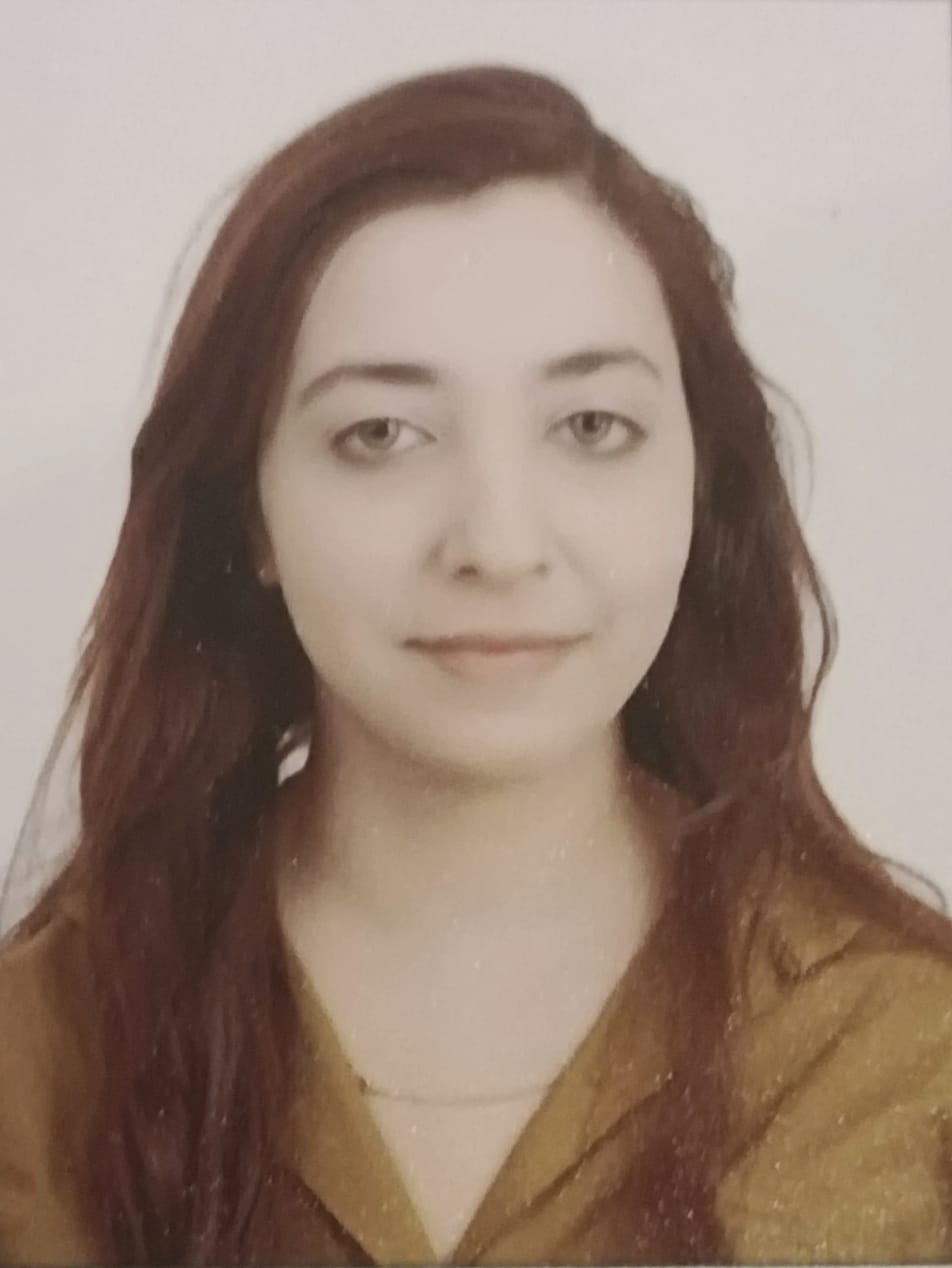
Dr. Afshan Pervez
Lead Dental Surgeon
Dr. Afshan Pervez is the Lead Dental Surgeon at The Teeth Clinic & Aesthetics, bringing over 15 years of clinical expertise to the fields of dentistry and regenerative aesthetics. She is a pioneer in integrating molecular-grade biotechnology with restorative dental surgery and facial rejuvenation. Dr. Pervez is dedicated to establishing high-end safety standards and clinical integrity in the use of exosomes and advanced biologics.
Last reviewed: 12/05/2026