
Beyond the Mouthguard: A Holistic Approach to Ending Bruxism
Direct Answer
Natural ways to reduce bruxism involve a combination of magnesium supplementation, optimized sleep hygiene to trigger the parasympathetic nervous system, and stress-reduction rituals. Practicing proper tongue posture (the 'N-rest' position) and using jaw relaxation techniques can also help. For optimal results, these holistic methods should complement a professional dental evaluation and custom-fitted night guards.
For many, the first sign of a night spent grinding isn't the sound of teeth on teeth, but the heavy, dull ache in the temples upon waking. Bruxism, the involuntary clenching or grinding of teeth, is often dismissed as a minor dental annoyance. However, we view it as a systemic distress signal. While traditional dentistry often relies on plastic mouthguards to protect the enamel, understanding how does a custom night guard protect against tmj disorders is only part of the puzzle. While natural strategies are beneficial, they should be used in conjunction with professional dental assessment to prevent long-term enamel damage.
In our practice, we often see how chronic bruxism manifests as more than just dental wear; it frequently results in masseteric hypertrophy and significant inflammation of the temporomandibular joint. While traditional splints prevent further enamel loss, we have found that incorporating regenerative treatments like Platelet-Rich Fibrin (PRF) and exosomes helps address the biological damage within the joint, promoting cellular repair that manual adjustments alone cannot achieve.
— Clinical Observation

The Silent Sleep Thief: Recognizing the Subtle Signs of Bruxism
Occasional clenching during a stressful workday is a common human response, but chronic bruxism is a different beast entirely. If you notice [why does my jaw pop or click when i chew food](https://theteethclinic.com/articles/why-does-my-jaw-pop-or-click-when-i-chew-food), it may be a sign of advanced bruxism. Dr. Pervez often identifies bruxism before the patient even mentions it by looking for specific visual indicators like a scalloped tongue or micro-fractures in the enamel.
The Stress-Jaw Connection: Why Your Body Grips While You Rest
The human jaw is a primary landing spot for emotional and physiological tension. When the sympathetic nervous system is overstimulated, it triggers masseter activation. Understanding that your jaw is a barometer for your internal state is the first step toward a tension-free life.

Sleep Hygiene as Medicine: Creating a Parasympathetic Ritual
To reduce bruxism naturally, we must prioritize the 'rest and digest' state. This begins with a nightly wind-down ritual designed to signal safety to the brain. Dimming the lights and eliminating screens helps the brain produce melatonin, which has a naturally calming effect on muscle activity.

Nutritional Interventions: Feeding the Muscles to Relax
What we put into our bodies dictates how our muscles behave. Research suggests a potential link between magnesium levels and muscle relaxation; however, supplementation should be discussed with a healthcare provider. To support your teeth, you might also want to learn [how to remineralize tooth enamel at home](https://theteethclinic.com/articles/how-to-remineralize-tooth-enamel-at-home) while addressing these deficiencies.

Neuromuscular Alignment: Evaluating the Foundation of Your Bite
Sometimes, the urge to grind is purely mechanical. Proper tongue posture, or the 'N-rest' position, acts as a natural internal splint. For those seeking a [holistic dentist near me](https://theteethclinic.com/articles/holistic-dentist-near-me), evaluating these minor alignment issues is a priority.

Regenerative Frontiers: PRF and Exosomes for TMJ Health
For those who have suffered from bruxism for years, Platelet-Rich Fibrin (PRF) and exosome therapy offer a way to actually regenerate damaged tissue. Chronic grinding can lead to facial changes; many patients ask [can masseter botox change face shape](https://theteethclinic.com/articles/can-masseter-botox-change-face-shape) when seeking aesthetic correction alongside these regenerative treatments.
Frequently Asked Questions
General
What are the best vitamins for teeth grinding?
What are the best vitamins for teeth grinding?
Magnesium is often considered the most effective mineral for bruxism. Known as the 'relaxation mineral,' magnesium glycinate helps regulate muscle contractions and reduces the hyper-excitability of the masseter muscles.
General
Can stress cause bruxism?
Can stress cause bruxism?
Yes, stress is a primary trigger. When the sympathetic nervous system is overstimulated, it triggers the masseter muscle to clench as a physical manifestation of emotional tension.
General
What is the 'N-rest' position for the tongue?
What is the 'N-rest' position for the tongue?
The 'N-rest' position involves resting the tongue gently against the roof of the mouth with the teeth slightly apart. This acts as a natural internal splint to stabilize the jaw and prevent clenching.
General
How does PRF help with jaw pain from grinding?
How does PRF help with jaw pain from grinding?
Platelet-Rich Fibrin (PRF) uses growth factors from your own blood to reduce chronic inflammation and encourage the repair of damaged tissues within the temporomandibular joint capsule.
Key Takeaways
- Identify bruxism early by looking for signs like a scalloped tongue or morning headaches.
- Transition the body into a parasympathetic state before bed using dim lights and screen-free rituals.
- Address nutritional gaps, specifically magnesium, to help mitigate involuntary muscle spasms.
- Utilize proper tongue posture as a natural internal splint to reduce jaw tension.
- Explore regenerative options like PRF and exosomes to repair tissue damage caused by long-term grinding.
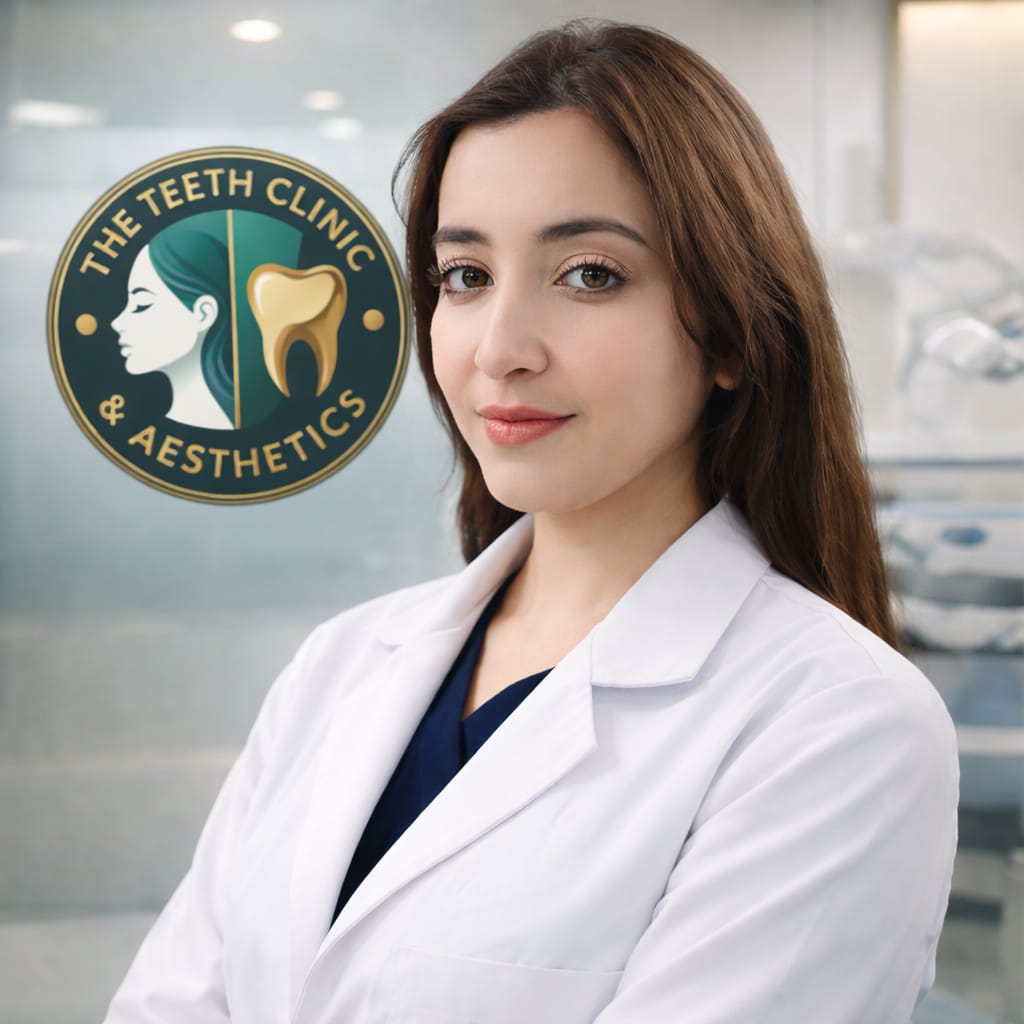
Dr. Afshan Pervez
Lead Dental Surgeon & Aesthetician | BDS, RDS, Orthodontist
Dr. Afshan Pervez is the Lead Dental Surgeon & Aesthetician at The Teeth Clinic, bringing over 14 years of expertise to the field. A highly qualified professional with BDS, RDS, and Orthodontic credentials, she has completed advanced training in Implant Dentistry (Hong Kong), Dental Medicine (USA), and Global Health (Denmark). Dr. Pervez specializes in a holistic approach to dentistry, integrating complex surgery and prosthodontics with cutting-edge aesthetic medicine and regenerative therapies.
Last clinically reviewed: 06/04/2026