
Crafting My Philosophy on the Perfect Smile
Direct Answer
The choice between porcelain crowns and veneers depends on the health of your tooth structure. Veneers are best for cosmetic improvements like masking stains or gaps while preserving enamel. In contrast, crowns are necessary for teeth with significant damage or decay, providing 360-degree reinforcement to ensure long-term stability and function.
I don’t just see a mouth when a patient sits in my chair; I see a complex canvas where biological engineering meets raw, human emotion. To me, a smile makeover is never a simple clinical checklist or a mere transaction. It is an intimate, high-stakes collaboration. I am not just selling restorations; I am co-authoring a version of you that radiates vitality and internal quietude. We must look at the unique topography of your face, the specific way your lips frame your words, and the subtle warmth of your skin tone. If I am doing my job correctly, the result should not scream "dentistry." Instead, it should whisper that you were simply born with exceptional genes and have lived a life of meticulous care.
In our practice, we often see patients who request veneers for a quick aesthetic fix, only for us to discover underlying structural issues like micro-cracks or occlusal wear from bruxism. In these instances, a porcelain crown is the superior clinical choice because it addresses both the cosmetic concern and the functional necessity of protecting a weakened tooth from further fracture.
— Clinical Observation

The era of mass-produced, "piano key" smiles is over. In my practice, I reject the idea of a one-size-fits-all aesthetic. Luxury dentistry is about the nuances—the way light dances through the incisal edge of a tooth, the micro-texture of the ceramic surface, and the organic harmony between the teeth and the surrounding soft tissues. My goal is to create a bespoke look that feels visceral and authentic. We aren't just changing your appearance; we are recalibrating your confidence through a lens of artistic precision.
Veneers: Why I Love the Minimalist Approach
I often think of porcelain veneers as the high-end contact lenses of the dental world. These ultra-thin, handcrafted shells are my primary tool for what I call "cosmetic refinement." Because they are bonded only to the forward-facing surface, I am able to preserve a significant amount of your natural enamel. This matters to me deeply. Why? Because nature’s original design is a precious commodity. I use veneers to mask the imperfections that life leaves behind—stubborn internal staining that defies whitening, minor chips, or those small gaps that disrupt the rhythm of your smile line.

The magic of a veneer lies in its paradoxical nature: it is incredibly delicate yet remarkably strong once bonded. Beyond the structural benefits, veneers allow me to mimic the optical properties of a natural tooth. My master ceramists layer the porcelain to achieve "incisal translucency"—that faint transparency at the edges that characterizes a youthful smile. For those who want to refine their aesthetic without a total structural overhaul, I find that veneers offer the most elegant and gentle solution possible.
When I Choose Crowns: Beauty with a Backbone
There are moments when a veneer simply lacks the "muscle" required for the task at hand. If a tooth has been compromised by a massive old filling, significant decay, or a fracture that threatens its core, I need to provide a structural bodyguard. This is where the porcelain crown becomes essential. I tend to avoid the word "cap" because it carries a stigma of looking opaque, bulky, and artificial. Modern restorative dentistry has moved far beyond that. Today, I use high-translucency ceramics like lithium disilicate or zirconia to create a 360-degree shield that is virtually indistinguishable from natural enamel.
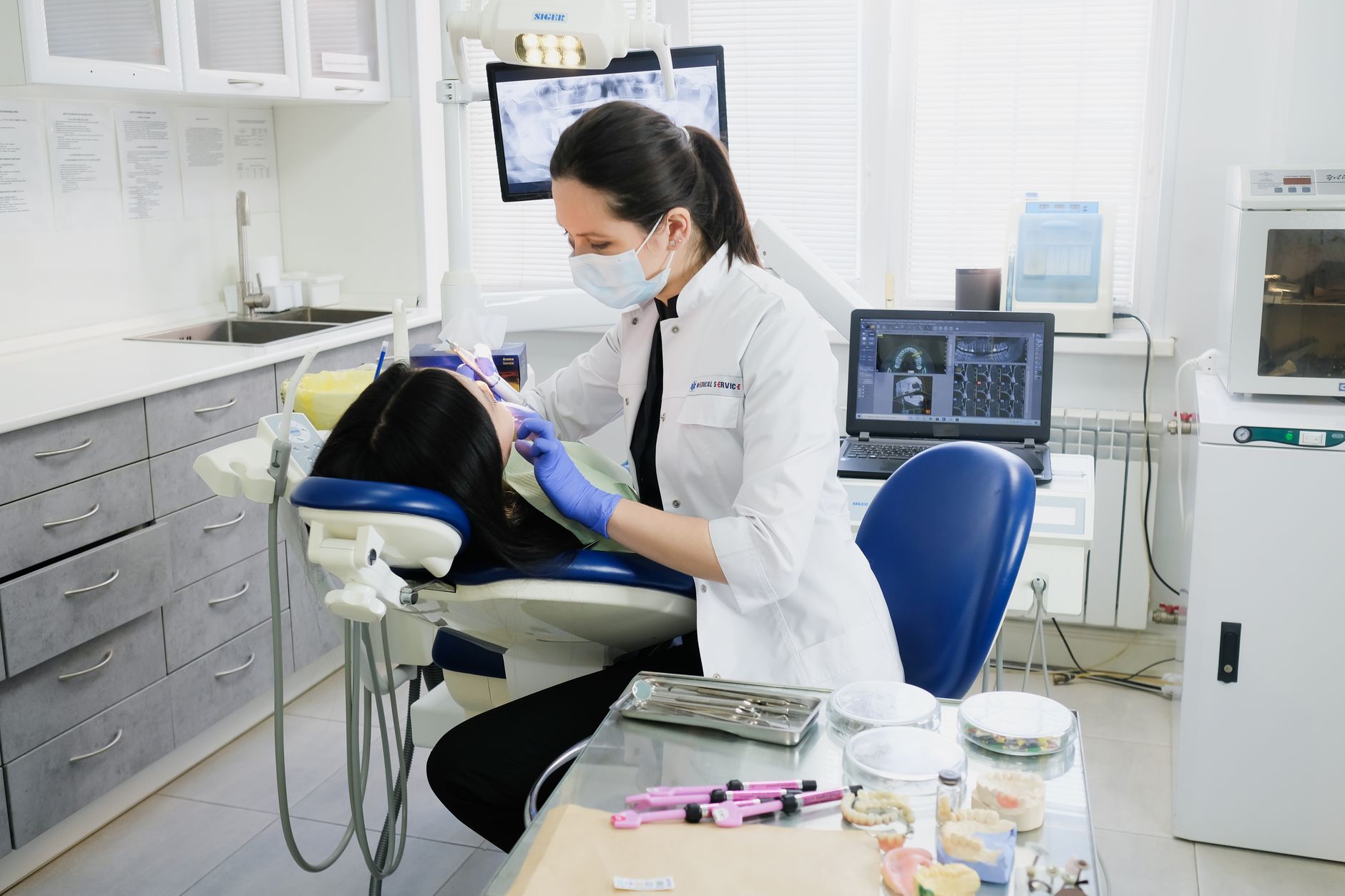
A crown is not a compromise on beauty; it is an investment in longevity. It stabilizes the tooth against the immense forces of biting and chewing while simultaneously perfecting the exterior. I view a crown as a "sleeve" that reinforces the underlying architecture of the mouth. Because these materials interact with light exactly like a natural tooth, I can place them in the most visible areas of the smile without fear of them looking "fake." They provide the backbone needed for a makeover that is as functional as it is stunning.
The Delicate Balance of Tooth Preparation
One of the most frequent questions I receive involves the "prep" process—the reshaping of the natural tooth. This is where the paths of veneers and crowns diverge most sharply. A veneer typically requires me to remove only a fraction of a millimeter from the front surface. In some "no-prep" cases, if the teeth are already small or recessed, I can apply the porcelain directly to the enamel with virtually no removal at all. This is the pinnacle of conservative dentistry, and it is a path I always explore first.

However, I must be honest: there are times when "less" is not "better." If a tooth is severely worn from years of grinding or has internal structural damage, the fuller coverage of a crown is actually the more protective choice for the tooth's long-term survival. By encasing the tooth, I can prevent cracks from spreading and protect the sensitive inner pulp. My role is to navigate this trade-off, weighing your desire for minimal intervention against the clinical necessity for a stable, long-lasting result.
Protecting Your Investment: My Perspective on Durability
I tell my patients that a smile makeover is like a luxury timepiece; it requires respect and maintenance to function perfectly for decades. While modern porcelain is incredibly durable, it is not indestructible. In my experience, the lifespan of your new smile can be significant, though it depends heavily on individual maintenance and oral health.—depends on several critical factors that I monitor closely:
- Bite Equilibrium: If I do not balance your bite with mathematical precision, the resulting stress will eventually chip or de-bond the ceramic.
- Personal Habits: I always remind my patients that teeth are jewels, not tools. No chewing on ice, biting fingernails, or using your teeth to open packages.
- Oral Micro-Environment: While the porcelain material itself is not subject to decay, the underlying tooth and the margins where the restoration meets the gum line still require diligent care., but the natural tooth at the margin certainly can. Meticulous hygiene is the only way to protect the foundation.
- The Protective Protocol: If you have any history of bruxism (grinding), I consider a custom-fitted night guard to be a mandatory insurance policy for your smile.

The Secret Sauce: My Bespoke Hybrid Strategy
One of the best-kept secrets in high-end aesthetic dentistry is that the most breathtaking results rarely rely on just one type of restoration. I often employ a "bespoke hybrid approach." This means I might place veneers on the central teeth to maintain a delicate, light-filled appearance, while using crowns on the premolars for added strength.
Key Takeaways
- Veneers are ultra-thin shells designed for aesthetic refinement with minimal tooth preparation.
- Crowns provide full coverage and structural 'backbone' for compromised or heavily restored teeth.
- A hybrid approach combining both restorations is often the best way to balance beauty and durability.
- Long-term success is dependent on bite equilibrium and the use of protective protocols like custom night guards.
- Modern high-translucency ceramics ensure that both crowns and veneers look indistinguishable from natural teeth.
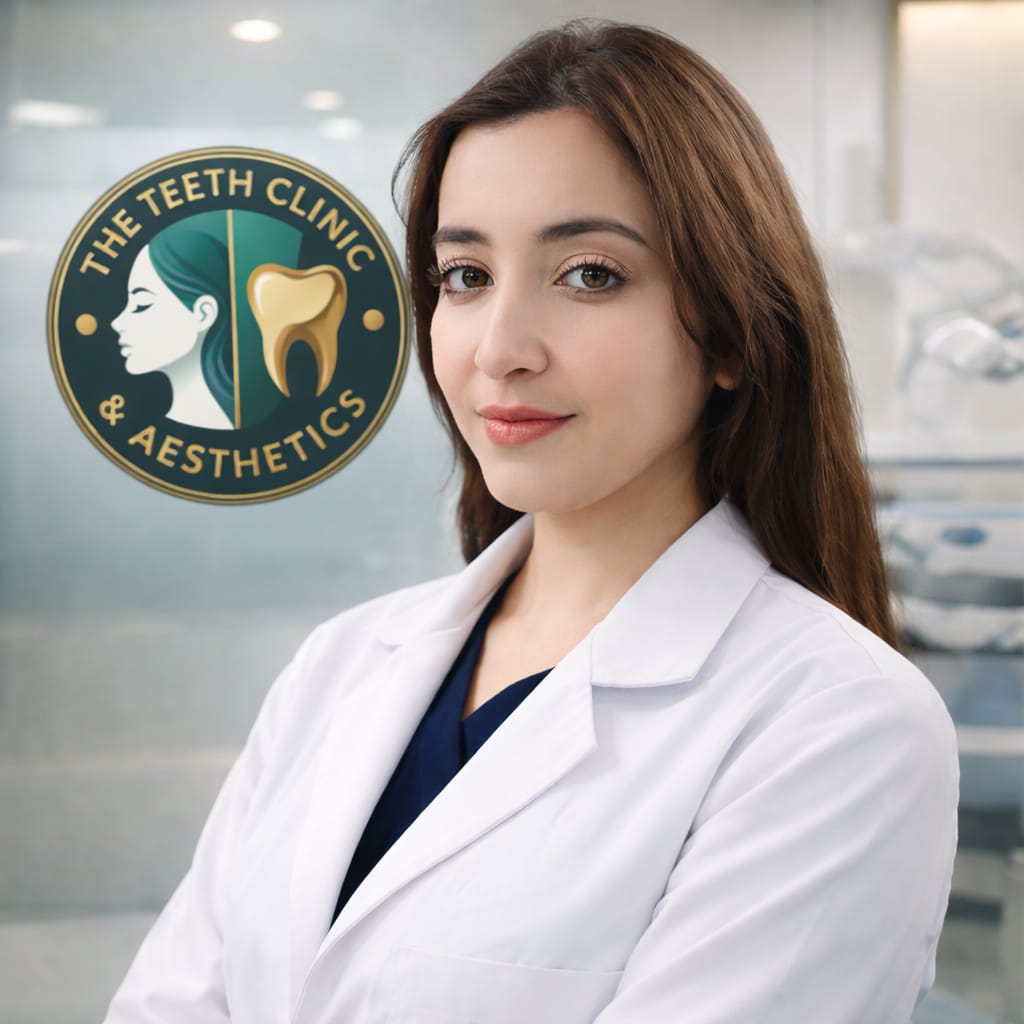
Dr. Afshan Pervez
Lead Dental Surgeon & Aesthetician | BDS, RDS, Orthodontist
Dr. Afshan Pervez is the Lead Dental Surgeon & Aesthetician with over 14 years of clinical expertise. Holding a BDS and RDS, she has completed advanced training in Implant Dentistry in Hong Kong, Dental Medicine in the USA, and an Integrated Masters in Portugal. As an expert in both orthodontics and aesthetic medicine, Dr. Pervez specializes in complex smile makeovers that harmonize clinical health with bespoke cosmetic artistry.
Last clinically reviewed: 03/04/2026