
The Art of the Subtle Enhancement
Direct Answer
Resin edge bonding is a cost-effective, minimally invasive cosmetic procedure that corrects minor dental imperfections like chips and gaps. By adding composite material directly to the teeth, it enhances aesthetics while preserving natural enamel. At The Teeth Clinic, costs are determined by the treatment's complexity and the volume of material required for your bespoke smile makeover.
In the world of modern aesthetics, the most impactful changes are often the ones that are the hardest to pinpoint. You notice someone looks refreshed, more vibrant, or more confident, but you cannot quite determine why. This is the philosophy behind resin edge bonding at The Teeth Clinic & Aesthetics. Unlike traditional restorative work that seeks to overhaul the entire mouth, edge bonding focuses on the fine details—the millimeters that make the difference between a smile that feels 'unfinished' and one that looks polished.
In our practice, we often see patients who are hesitant about traditional veneers because they fear permanent tooth reduction. Edge bonding serves as an ideal 'middle ground,' allowing us to correct incisal wear and 'black triangles' between teeth immediately. We have found that the 'Align, Bleach, Bond' protocol yields the most predictable long-term aesthetic results, as bonding performs best on a stable, healthy foundation.
— Clinical Observation

Minor imperfections, such as a slightly jagged incisal edge, a small chip from years of wear, or natural asymmetry, often act as a distraction. By addressing these specific areas, we restore the visual flow of the smile without altering the fundamental character of the person behind it.
Resin Edge Bonding vs. Full Veneers: The Key Differences
One of the most frequent questions we encounter is whether a patient should opt for resin edge bonding or full porcelain veneers. The answer lies in the goals of the individual and the current state of their dental health. The primary difference is the degree of surface coverage and the preservation of natural tooth structure.

Porcelain veneers typically involve covering the entire front surface of the tooth. In contrast, resin edge bonding is almost entirely additive. We are adding material to the tooth, not taking anything away. This preserves the structural integrity of your natural enamel, making it a reversible and highly conservative option.
Investment Guide: Understanding the Costs
When considering a smile makeover, transparency regarding the financial investment is essential. At The Teeth Clinic & Aesthetics, we believe that patients should feel empowered by their choices, which starts with a clear understanding of the pricing structure. Resin edge bonding is widely recognized as one of the most cost-effective ways to transform a smile.
The total cost of treatment is influenced by several variables. Firstly, the complexity of the tooth's anatomy plays a role. Secondly, the volume of material used and the time required for meticulous layering will affect the final quote. While edge bonding eliminates external laboratory fees, the investment reflects the clinician's artistry, chair-time, and the use of premium, high-performance dental resins.
The Clinical Process: What to Expect on Treatment Day
One of the most appealing aspects of resin edge bonding is the patient experience itself. Because we are working on the surface and the edges of the enamel—where there are no nerve endings—the procedure is frequently needle-free and is generally a comfortable experience for most patients, as it primarily involves the enamel layer.

The process begins with a bespoke color-matching session. Once the shade is selected, the tooth surface is prepared with a gentle conditioning gel. The resin is then applied by hand, sculpted into the desired shape, and hardened using a specialized curing light. The final step is the polishing to create a high-gloss finish.
Longevity and Lifestyle: Protecting Your New Smile
Once your smile has been refined, the goal shifts to preservation. While modern dental resins are incredibly strong, they are not quite as hard as natural enamel or porcelain. Maintaining the integrity of the bonding requires a few lifestyle adjustments. For instance, habits like biting your nails or chewing on pens can cause the resin to chip.

Dietary habits also play a role. Resin is a porous material compared to porcelain, meaning it can pick up stains over time. However, regular professional cleanings and 'airflow' polishing at the clinic can often remove surface stains and restore the original shine.
Common Myths About Dental Bonding
There are several misconceptions about dental bonding. The most common myth is that bonding looks 'fake' or 'bulky.' Modern composite resins are engineered with nanotechnology, allowing for incredibly thin layers that blend perfectly. Another common worry is that the resin will simply 'pop off.' While no dental restoration is indestructible, the adhesive technology used today is exceptionally strong.
Combining Treatments for a Total Smile Makeover
While resin edge bonding is powerful on its own, it is often the 'final touch' in a more comprehensive smile makeover. At The Teeth Clinic & Aesthetics, we frequently utilize a 'Boutique' approach, combining multiple conservative treatments to achieve the best possible outcome. This often follows the 'Align, Bleach, Bond' protocol.
Next Steps: Your Consultation at The Teeth Clinic
The path to a refined smile begins with a detailed assessment. During a consultation at The Teeth Clinic & Aesthetics, we don't just look at your teeth; we listen to your goals. We use digital photography and diagnostic 'mock-ups' to show you what is possible before we even begin the treatment.
Frequently Asked Questions
General
How much does resin edge bonding cost?
How much does resin edge bonding cost?
The cost of resin edge bonding is influenced by the complexity of the tooth's anatomy and the volume of material used. Because it is performed chairside without laboratory fees, it is significantly more cost-effective than porcelain veneers.
General
Is the resin edge bonding procedure painful?
Is the resin edge bonding procedure painful?
No, the procedure is almost always needle-free and painless. Since the bonding is applied to the surface and edges of the enamel where there are no nerve endings, local anesthetic is rarely required.
General
How long does resin edge bonding last?
How long does resin edge bonding last?
Typically, resin edge bonding lasts between five to seven years. Its longevity depends on lifestyle habits and maintenance, though it is easily repairable or can be polished during regular dental visits.
General
Can I whiten my teeth after getting resin bonding?
Can I whiten my teeth after getting resin bonding?
It is recommended to whiten your teeth before the bonding procedure. Resin does not respond to whitening gels, so we match the composite material to your newly brightened natural tooth shade.
Key Takeaways
- Edge bonding is a conservative, additive procedure that preserves your natural tooth enamel.
- It is a faster and more affordable alternative to porcelain veneers for correcting minor chips and asymmetry.
- The procedure is typically painless and often completed in a single visit without the need for local anesthesia.
- Maintenance involves avoiding habits like nail-biting and attending regular professional cleanings to prevent staining.
- Combining bonding with orthodontic alignment and whitening (Align, Bleach, Bond) creates the most comprehensive results.
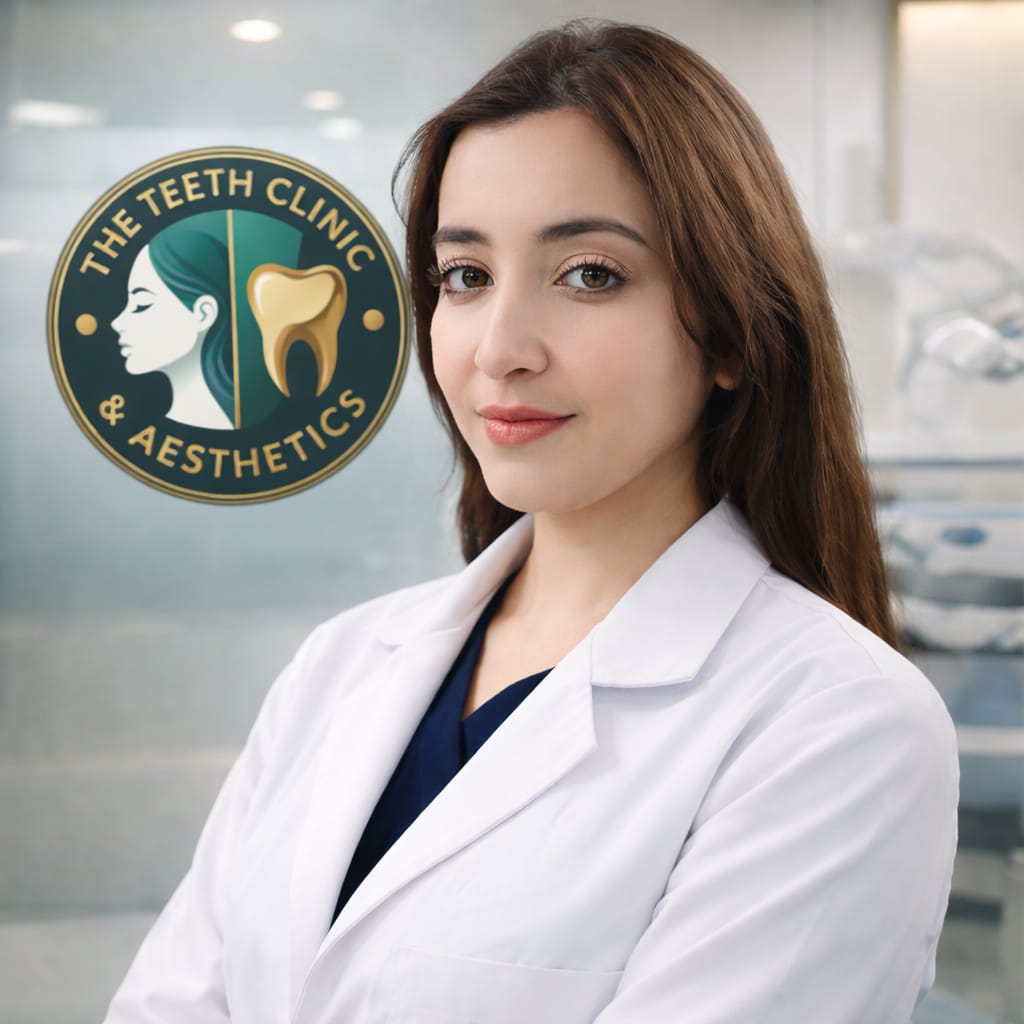
Dr. Afshan Pervez
Lead Dental Surgeon & Aesthetician | BDS, RDS, Orthodontist
Dr. Afshan Pervez is the Lead Dental Surgeon and Aesthetician at The Teeth Clinic & Aesthetics, bringing over 14 years of clinical expertise. A BDS and RDS qualified Orthodontist, she holds an Integrated Masters from Portugal and has completed advanced training in Dental Medicine and Implant Dentistry in the USA and Hong Kong. She specializes in Surgery, Endodontics, and Aesthetic Medicine, providing a holistic approach to smile transformations.
Last clinically reviewed: 03/04/2026