
Beyond the Finish Line: My Hard-Won Truths on Dental Stewardship
Direct Answer
The cost of retainers after braces typically ranges from $200 to $1,000 for a full set. This price depends on the material chosen: clear Essix trays ($300-$600), traditional Hawley wire retainers ($600-$1,200), or permanent bonded wires ($500-$1,000). Professional clinical fitting is essential to prevent tooth movement and protect your orthodontic investment.
I’ve witnessed it more times than I can count—that raw, electric flash of triumph when a patient finally sheds their braces or clicks out that final clear aligner. It feels like a summit, a definitive victory over wires and discipline. But I am always the one to deliver the sobering reality check: the day your hardware vanishes is actually 'Day Zero' of your aesthetic stewardship. I don't view retainers as a lingering dental tax; I see them as the only insurance policy for your most visible biological asset. Your smile is not a static trophy; it is a living, shifting system of bone, ligament, and tension.
In our practice, we often see patients returning years after their initial treatment with significant dental crowding because they underestimated the biological 'memory' of the periodontal ligaments. We frequently find that those who attempt to use generic or mail-order retention solutions experience localized tissue irritation or even minor tooth movement, as these devices lack the precision of a 3D-scanned, clinician-adjusted appliance that respects the patient's unique occlusion.
— Clinical Observation

I constantly challenge my patients to flip the script. A retainer isn't a plastic nuisance; it is a lifestyle vow. Teeth are not anchored in concrete; they are suspended in a complex web of tissues that possess a stubborn, cellular 'memory.' Understanding how long the retention phase lasts is crucial for maintaining your results. Without consistent retention, your gums will inevitably attempt to drag your teeth back to their original, chaotic neighborhood. In my clinical practice, I treat retention as a permanent commitment to facial symmetry.

The Real Cost Breakdown: What I Charge and Why
The price of retainers varies based on the specific technology I employ and the durability of the materials. Generally, I advise my patients to budget between $200 and $1,000 for a comprehensive set. This fluctuates depending on your unique dental anatomy and your nocturnal habits.
Essix (Clear) Retainers
Most of my adult patients crave invisibility. Essix retainers—the transparent trays that mimic the look of Invisalign—offer total discretion. Typically, I price these at $150 to $300 per arch. If you lose yours, you should order a replacement Essix retainer immediately to prevent shifting. While they are aesthetically superior, they are made of medical-grade polymers.
Hawley (Wire) Retainers
These are the iconic classics: a metal bow attached to a custom-molded acrylic plate. I still advocate for these as a premium, long-term solution because they are virtually indestructible. Expect a price point of $300 to $600 per arch.
Fixed (Lingual) Retainers
For patients who struggle with compliance, I usually suggest a fixed wire. I bond a thin, biocompatible wire directly to the interior surface of your teeth. The cost ranges from $250 to $500 per arch. This price reflects the significant clinical time I spend precisely etching and bonding that wire.
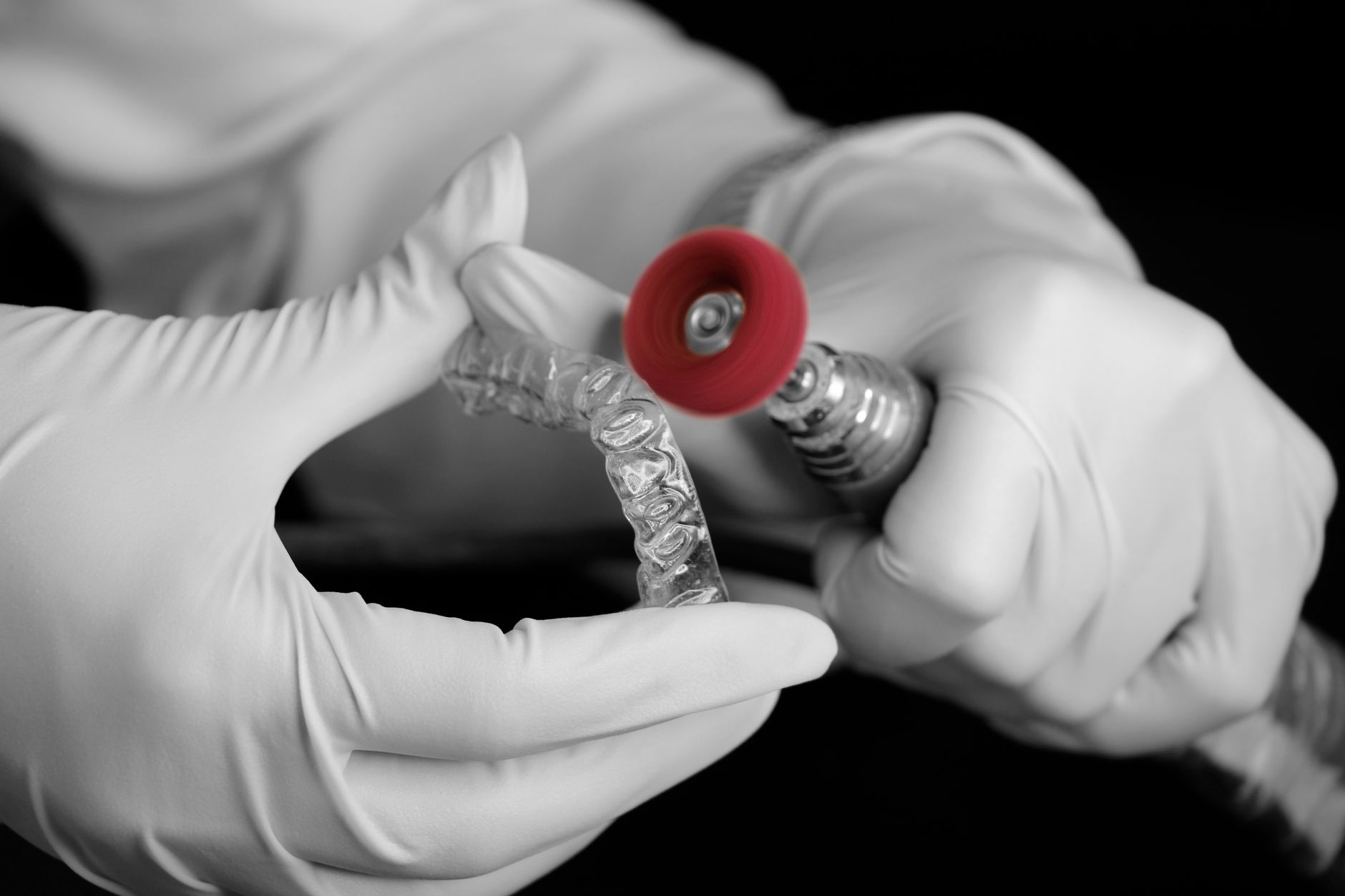
Why I Refuse to Use 'Mail-Order' Impression Kits
The siren song of cheap, online retainers is a trap. In my world of precision aesthetics, 'good enough' is a recipe for failure. The fee you pay in my office covers high-definition 3D digital scanning. When deciding between a difference between a general dentist and an orthodontist for your retention, remember that specialist oversight ensures your bite remains healthy.

The Necessity of Clinical Oversight
When I provide a quote, you aren't just purchasing an appliance. You are paying for my diagnostic expertise. A retainer is a medical tool. Its efficacy depends entirely on how it interacts with your bite. I spend time hand-fitting each device, checking for pressure points, and ensuring your occlusion is perfectly balanced.
How I Help My Patients Manage the Investment
I recognize that dental costs can be a burden. This is where I suggest utilizing Health Savings Accounts (HSA) or Flexible Spending Accounts (FSA). Because I prescribe these retainers as a medical necessity to prevent orthodontic relapse, bite instability, and the potential for future corrective procedures., you can use tax-free dollars.

The Biological Consequences of Neglect
Relapse is a silent, persistent force. The fibers within your gums possess an 'elastic memory.' They are constantly trying to pull your teeth back to their original positions, making the cost of a retainer a small price to pay for a lifetime of confidence.
Frequently Asked Questions
General
How much do retainers cost after braces?
How much do retainers cost after braces?
The cost typically ranges between $200 and $1,000 for a full set. Prices vary by type: Essix retainers are usually $150-$300 per arch, Hawley retainers are $300-$600 per arch, and fixed lingual retainers cost between $250 and $500 per arch.
General
Can I use my HSA or FSA to pay for retainers?
Can I use my HSA or FSA to pay for retainers?
Yes, because retainers are considered a medical necessity to prevent tooth movement and potential trauma, they are generally eligible expenses for Health Savings Accounts (HSA) and Flexible Spending Accounts (FSA).
General
Why are professional retainers more expensive than mail-order kits?
Why are professional retainers more expensive than mail-order kits?
Professional retainers include high-definition 3D digital scanning, medical-grade BPA-free materials, and clinical oversight to ensure the bite is perfectly balanced, which prevents the micro-movements that lead to relapse.
General
How long do dental retainers last?
How long do dental retainers last?
Durability depends on the type. Clear Essix retainers may need replacement every few years, especially for those who grind their teeth, while metal Hawley retainers can last up to 15 years with proper care.
Key Takeaways
- Retainer costs vary by type, with clear Essix trays being the most affordable and Hawley or fixed wires involving higher laboratory or clinical fees.
- Orthodontic relapse is a natural biological process driven by the elastic memory of gum tissues, making retention a lifelong commitment.
- Professional clinical oversight during the fitting process ensures that the retainer does not negatively impact your bite (occlusion) or gum health.
- Many patients can utilize HSA or FSA tax-advantaged accounts to cover the cost of retainers when prescribed as a medical necessity.
- Avoiding DIY or mail-order kits is vital to prevent misaligned bites and potential periodontal damage.
Dr. Afshan Pervez
Lead Dental Surgeon & Aesthetician | BDS, RDS, Orthodontist
Dr. Afshan Pervez is the Lead Dental Surgeon & Aesthetician at The Teeth Clinic, bringing over 14 years of clinical expertise to the practice. Holding credentials in BDS, RDS, and Orthodontics, her extensive education includes an Integrated Masters from Portugal and specialized training in Implant Dentistry (Hong Kong) and Dental Medicine (USA). Dr. Pervez is a multidisciplinary expert specializing in Surgery, Endodontics, and Aesthetic Medicine, including advanced facial treatments and PRP therapies.
Last clinically reviewed: 06/04/2026