The Invisible Scaffolding: My View Behind Your Smile
Direct Answer
The seven warning signs of gum disease include bleeding during brushing, persistent bad breath, visible gum recession, changes in tissue color (redness) or texture (puffiness), shifting teeth, the formation of deep pockets between teeth and gums, and localized jaw tenderness. Recognizing these symptoms early is vital for preventing irreversible bone loss and systemic health risks.
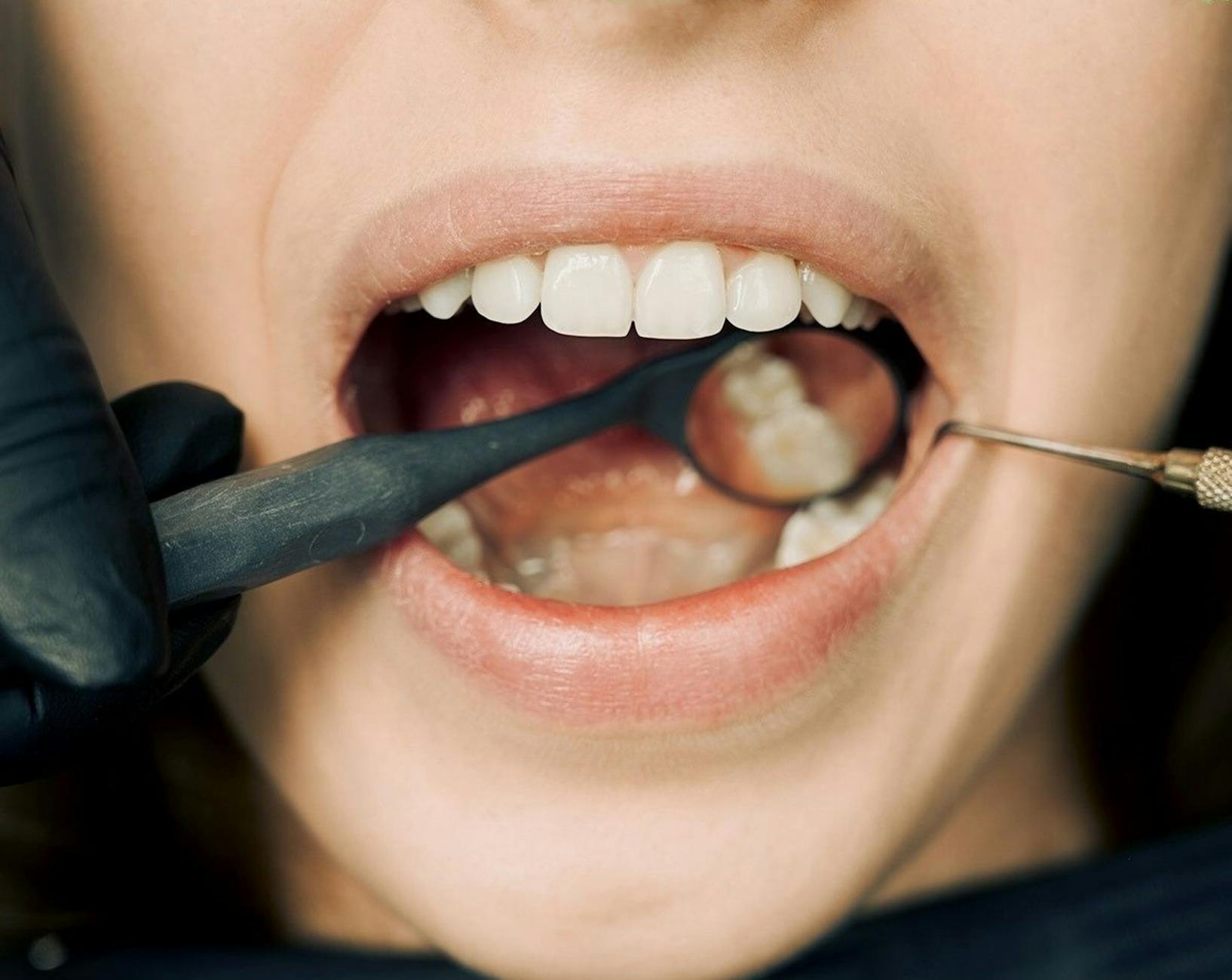
I have spent a significant portion of my life staring into the oral landscapes of thousands of patients, and I have noticed a recurring, almost universal obsession: the enamel. People focus on the 'pearls'—the alignment, the whiteness, the sheer brilliance of the teeth. But in my clinical experience, I’ve realized that focusing solely on the teeth is like admiring the paint on a house while the foundation is slowly sinking into the earth. I often tell those sitting in my chair that your gums are the silent, clandestine architects of your facial aesthetics. They provide the structural contrast and biological support that allow everything else to exist. In my world of high-end restorative dentistry, I treat periodontal health as the singular true measure of a youthful, vibrant appearance. Without that resilient, coral-pink frame, even the most expensive veneers or orthodontic work will eventually lose its integrity and fail.
In our practice, we often see patients who are surprised to learn they have advanced periodontitis because they experienced no acute pain. We frequently observe that by the time teeth feel 'loose' or the bite shifts, significant alveolar bone loss has already occurred. This highlights why we prioritize periodontal probing and digital imaging during every routine check-up to catch silent erosion before it requires surgical intervention.
— Clinical Observation

I have found that one of the most dangerous, lingering myths people cling to is that gum disease must hurt to be serious. It’s a trap. I have seen countless cases where disease progressed quietly, almost politely, for years—eroding bone and connective tissue without a single sharp pang of pain. It is a silent erosion. By the time a patient finally feels discomfort, the damage is frequently catastrophic. To me, understanding these subtle shifts in your oral landscape isn't just about hygiene; it’s about protecting your confidence and your systemic vitality before the very foundation of your smile crumbles beyond repair.
The Crimson Alarm: Why I Worry When You See Red
I always pose this specific hypothetical to my patients: if your scalp started bleeding every time you brushed your hair, or if your fingernails bled whenever you washed your hands, would you ignore it? Of course not. You would be in the emergency room. Yet, I see so many individuals dismiss bleeding during brushing or flossing as a minor, localized annoyance. Let me be perfectly clear: healthy gum tissue is resilient. It is evolutionarily built to withstand the friction of routine care without shedding a single drop of blood.

In my chair, I see a massive distinction between a localized nick and a brewing, active infection. While a one-off injury happens to the best of us, consistent bleeding is the undeniable hallmark of gingivitis. This happens because plaque and tartar trigger a massive, localized inflammatory response. I tell my patients to think of it as an internal alarm; your body is pumping extra blood to the area to fight off invaders, making the tissue fragile and prone to rupture. When you see that 'pink in the sink,' I see a body signaling that the vital barrier between your mouth and your bloodstream has been compromised. This requires a professional dental evaluation to assess if the infection has begun to impact the underlying bone structure.
Persistent Halitosis: The Scent of Sub-Gingival Warfare
We’ve all dealt with 'morning breath,' but I’m talking about something far more insidious. Chronic halitosis—the kind of bad breath that defies the strongest luxury mouthwashes—is rarely about the garlic you had for lunch. When I encounter this in the clinic, I know I’m likely looking at the chemical byproduct of biological warfare occurring deep beneath the gum line. The culprits are Volatile Sulfur Compounds (VSCs), produced by anaerobic bacteria as they feast on proteins in the oxygen-depleted pockets of your mouth.

I’ve noticed a frustrating trend where people try to mask this with alcohol-based rinses. From my perspective, this often exacerbates the problem. These washes dry out the oral mucosa, creating a parched, oxygen-poor environment where these specific bacteria actually thrive. You simply cannot gargle away a bacterial colony that is living several millimeters below the surface. To me, chronic halitosis is a social and professional barrier that professional periodontal therapy is a primary and highly effective method for addressing deep bacterial colonies. Restoring true freshness requires addressing the root cause, not just perfume-coating the symptoms of decay.
The Visual Lengthening: Why I Watch for the Slow Retreat
The old phrase 'long in the tooth' carries a heavy, clinical weight in my profession. It refers to the visual lengthening of teeth caused by gum recession. As I watch the gum tissue pull away or become destroyed by chronic inflammation, I see a structural crisis in the making. Unlike the crown of the tooth, which I can protect with enamel, the root is covered by cementum—a much softer, porous material that is incredibly vulnerable to decay and extreme sensitivity.
Color and Texture: From Coral Pink to Angry Red
When I examine a mouth, I am looking for a very specific aesthetic: a firm, 'stippled' texture that resembles the skin of an orange, and a soft, coral-pink hue. This tells me the blood flow is regulated and the tissue is tightly bound to the underlying bone. When disease takes over, I see the mouth’s profile shift dramatically. The gums look 'angry.' They become puffy, rounded, and lose that healthy matte finish.

I view this redness as a visual representation of an immune system on high alert. Your body is trying to flush out pathogens, leading to vasodilation and swelling. I also pay close attention to texture; healthy gums are firm and resilient, but diseased gums feel shiny, smooth, and spongy to my touch. I tell my patients to monitor these cues like a 'check engine' light on a dashboard. If you wait until the engine is smoking, the repair will be far more complex, invasive, and costly.
The Subtle Migration of Your Bite
Your teeth aren't actually fused to your bone; they are suspended in a complex, shock-absorbing system of ligaments. When I see gum disease progress into full-blown periodontitis, the infection starts to eat away at the alveolar bone that holds those ligaments in place. I’ve had patients come in complaining that a new gap has formed between their front teeth, or that their molars don’t meet the way they used to. This is a sign of fundamental instability.
The Hidden Pockets of Infection
When I perform a periodontal exam, I am essentially mapping out 'pockets.' In a healthy mouth, the space between the tooth and the gum is shallow—usually between 1 and 3 millimeters. But when bacteria take hold, the gum detaches, creating deep, dark, oxygen-free incubators for infection. I’ve found that these pockets are physically impossible to clean with even the most advanced electric toothbrushes or water flossers. They are biological safe zones for pathogens.

While you can’t measure these depths at home, I’ve noticed that patients often feel a sense of 'heaviness' or localized tender spots in their jaw. This isn’t the sharp, electric pain of a cavity; it’s a deep-seated, dull discomfort. It tells me your immune system is losing the war. When I 'probe' the gums, I am creating a roadmap for your restoration. Understanding those depths is the only way I can accurately fight the infection hiding out of your sight.
My Perspective on the Body-Mouth Connection
I believe the most compelling reason to stay vigilant is something that happens far beyond the bathroom sink. In my practice, I don't just see the mouth; I see a primary gateway to the rest of the body. Chronic infection in your gums allows bacteria and inflammatory markers to leak directly into your bloodstream. I have followed the research closely, and the links between periodontal inflammation and heart disease, diabetes, and even cognitive decline are undeniable and frightening.
By protecting your gums, I am helping you protect your entire systemic health. We are reducing the 'systemic load' on your heart and your immune system. Achieving oral excellence requires a bespoke approach—one that combines my clinical technology with your commitment to long-term wellness. If you notice these seven signs, I urge you to see them as a call to action. Your smile should be a true reflection of your internal health, and I am here to ensure it stays that way for a lifetime.
Frequently Asked Questions
General
Does gum disease always cause pain?
Does gum disease always cause pain?
No, gum disease is often a 'silent' condition. It can progress for years, eroding bone and tissue without causing sharp pain until the damage is severe.
General
Is it normal for gums to bleed during flossing?
Is it normal for gums to bleed during flossing?
Healthy gum tissue should not bleed during routine care. Consistent bleeding is a primary hallmark of gingivitis and indicates an active infection or inflammation.
General
Can gum tissue grow back once it has recessed?
Can gum tissue grow back once it has recessed?
Unfortunately, gum tissue does not grow back like skin or fingernails. Once recession occurs, professional intervention is required to stabilize the area and prevent further loss.
General
How does gum disease affect my overall health?
How does gum disease affect my overall health?
Chronic gum infection allows bacteria to enter the bloodstream, which has been linked to systemic issues such as heart disease, diabetes, and cognitive decline.
Key Takeaways
- Bleeding gums are a clinical sign of a compromised oral-bloodstream barrier and should never be ignored.
- Gum disease is often a 'silent' condition, progressing to structural damage without causing significant pain.
- Chronic bad breath is frequently caused by volatile sulfur compounds produced by bacteria hiding in deep periodontal pockets.
- The 'mouth-body connection' means untreated gum infections can increase systemic inflammation, impacting heart health and diabetes management.

Dr. Afshan Pervez
Lead Dental Surgeon & Aesthetician | BDS, RDS, Orthodontist
Dr. Afshan Pervez is the Lead Dental Surgeon & Aesthetician at The Teeth Clinic with over 14 years of clinical experience. A BDS, RDS, and specialist Orthodontist, she holds an Integrated Masters from Portugal and has completed advanced training in Implant Dentistry in Hong Kong and Dental Medicine in the USA. Her multidisciplinary expertise encompasses surgery, endodontics, and aesthetic medicine, focusing on the intersection of structural dental health and facial aesthetics.
Last clinically reviewed: 04/04/2026