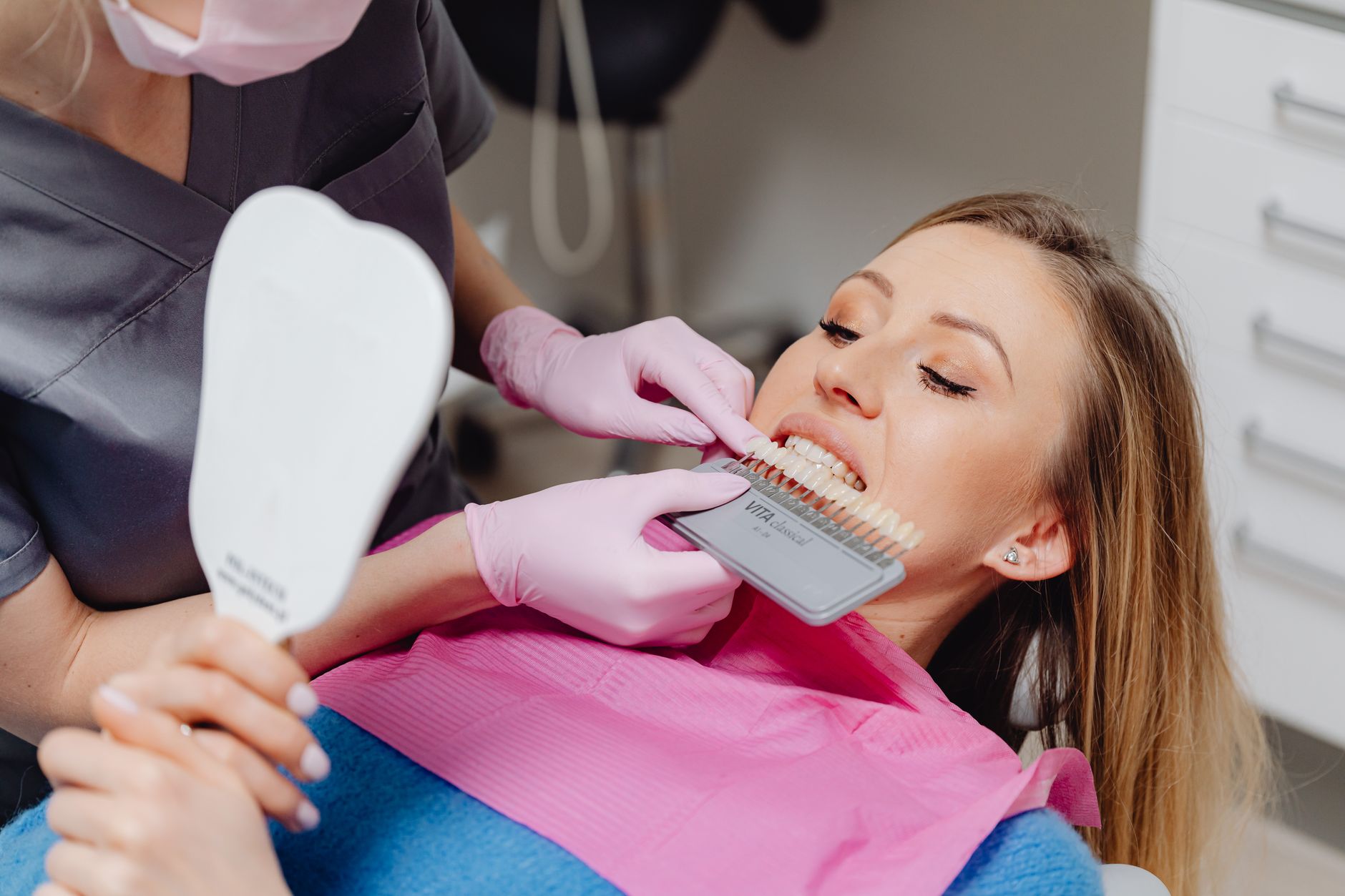
Redefining the Brightening Experience
Direct Answer
Yes, teeth whitening is safe for sensitive teeth when performed using calibrated protocols. Success relies on a two-week pre-treatment phase using potassium nitrate and nano-hydroxyapatite to occlude dentin tubules. By utilizing professional-grade, low-concentration gels and cold-light LED technology, dentists can brighten enamel without triggering the inflammatory response known as 'zingers.'
For years, the pursuit of a luminous smile was often synonymous with a certain degree of physical endurance. The 'no pain, no gain' mantra of the early 2000s dominated the world of cosmetic dentistry, leaving many individuals with naturally sensitive teeth sidelined. However, the landscape of aesthetic wellness has evolved. We are moving away from aggressive, one-size-fits-all bleaching and toward a philosophy of calibrated aesthetic care.
In our practice, we often see patients who have deferred aesthetic treatments for decades due to fear of the 'zinger' sensation. We have found that integrating a bespoke desensitization protocol involving custom-fitted trays and medical-grade mineralizing agents allows even those with significant dentin exposure to achieve their aesthetic goals without compromising comfort or oral health.
— Clinical Observation

Sensitivity should never be the barrier that stands between you and a confident, radiant smile. In the high-end dental space, the focus has shifted toward bespoke protocols that respect the biological limits of your enamel. By understanding the unique nuances of your dental anatomy, it is entirely possible to achieve professional-grade results without the lingering ache that once defined the process.
The Science of the 'Zinger'
To treat sensitivity, we must first understand its origin. The sensation often described as a 'zinger'—a sharp, sudden flash of discomfort—occurs when whitening agents, typically hydrogen peroxide or carbamide peroxide, penetrate the enamel. Beneath the protective enamel lies the dentin, a porous layer containing thousands of microscopic channels known as dentin tubules.

When peroxide enters these tubules, it creates a temporary inflammatory response within the nerve. For most, this is a fleeting sensation. However, some individuals are biologically predisposed to higher levels of discomfort due to naturally thinner enamel or gum recession.
The Pre-Whitening Ritual
The most successful whitening outcomes for sensitive patients begin long before the first application of gel. Building a protective barrier is essential, and this usually starts at least two weeks prior to your appointment. Following a clinical assessment, your dentist may recommend high-potency potassium nitrate toothpaste to prepare the dentin.

In addition to traditional desensitizers, the use of nano-hydroxyapatite (nHAp) has revolutionized pre-whitening care. This biocompatible material literally fills in the open dentin tubules and repairs microscopic enamel defects, creating a physical shield.
In-Office Innovations for Sensitive Patients
The clinical environment offers technologies that are far superior to over-the-counter solutions. One of the most significant advancements is the shift toward variable-intensity LED lights and cold-light technology. Modern systems use specific wavelengths of light to accelerate the whitening reaction without raising the temperature of the tooth.
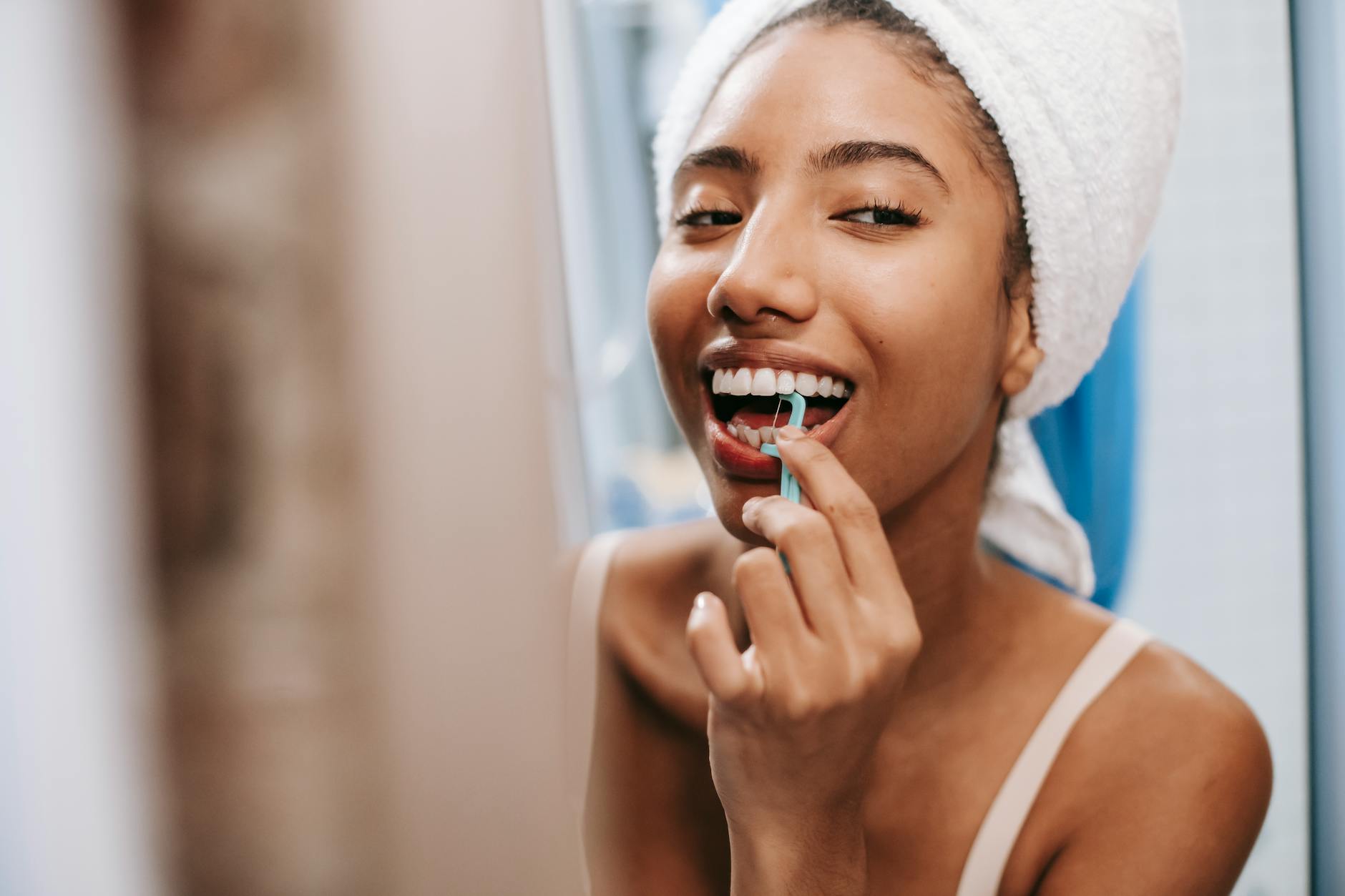
Precision is another luxury of professional care. In-office treatments utilize custom-molded barriers or light-cured resins that isolate the teeth perfectly, preventing gel from leaking onto the gums and causing chemical burns.
The Post-Treatment Soothe
What you do in the hours following a whitening session is just as important as the treatment itself. If a 'zinger' does occur, do not panic. This is a sign of temporary dehydration. If discomfort persists or is severe, consult your dental professional immediately to rule out pulpitis or enamel fractures.

During the first 24 to 48 hours, your teeth are particularly porous. This is the time to strictly adhere to the 'White Diet,' but with a focus on temperature. Avoid ice-cold water or piping-hot coffee, as the expanded tubules will transmit these temperatures directly to the nerve.
Frequently Asked Questions
General
Why does teeth whitening cause a 'zinger' sensation?
Why does teeth whitening cause a 'zinger' sensation?
Whitening agents like hydrogen peroxide penetrate the enamel and reach the dentin tubules. This creates a temporary inflammatory response in the tooth's nerve, resulting in a sharp, sudden flash of discomfort known as a 'zinger'.
General
What is the best whitening ingredient for sensitive teeth?
What is the best whitening ingredient for sensitive teeth?
Carbamide peroxide is often preferred for sensitive individuals. It breaks down more slowly than hydrogen peroxide, providing a 'slow-release' whitening effect that is significantly gentler on the dental nerves.
General
How can I prepare my teeth for whitening to avoid pain?
How can I prepare my teeth for whitening to avoid pain?
Start using a toothpaste containing potassium nitrate or nano-hydroxyapatite (nHAp) at least two weeks before treatment. These ingredients help desensitize nerve endings and seal open dentin tubules to create a protective barrier.
General
Is charcoal toothpaste a safe alternative for whitening sensitive teeth?
Is charcoal toothpaste a safe alternative for whitening sensitive teeth?
No. Charcoal toothpastes are often highly abrasive and can wear down enamel over time. This exposure of the underlying dentin can actually increase long-term sensitivity and make teeth appear more yellow.
Key Takeaways
- Pre-treat teeth for at least 14 days with potassium nitrate toothpaste to desensitize nerve endings.
- Utilize nano-hydroxyapatite (nHAp) to physically repair enamel defects and shield dentin tubules before bleaching.
- Professional in-office systems using variable-intensity cold-light LED minimize thermal stress on the dental pulp.
- Adhere to a temperature-neutral 'White Diet' for 48 hours post-treatment to protect porous enamel from thermal sensitivity.
- Always undergo a clinical evaluation first to ensure sensitivity isn't caused by untreated decay or gum recession.
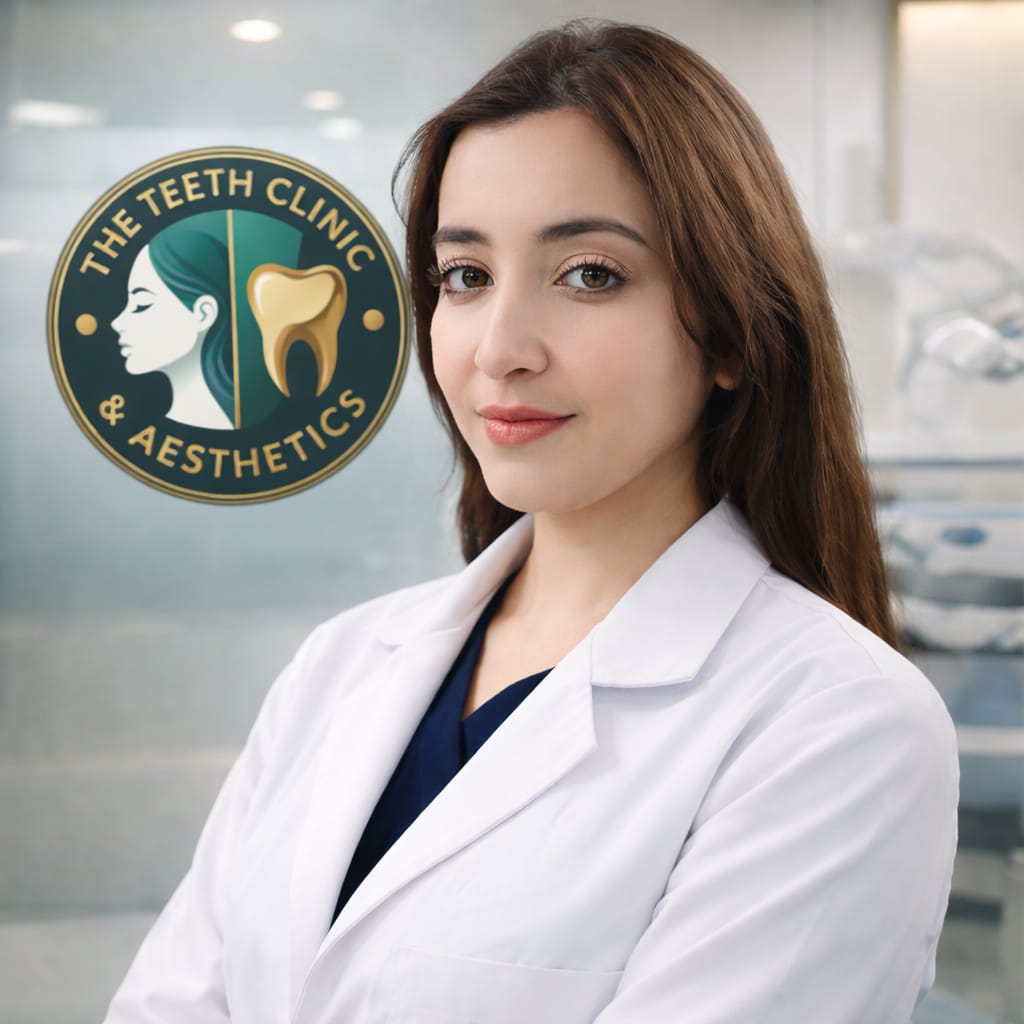
Dr. Afshan Pervez
Lead Dental Surgeon & Aesthetician | BDS, RDS, Orthodontist
Dr. Afshan Pervez is the Lead Dental Surgeon & Aesthetician at The Teeth Clinic, bringing over 14 years of multidisciplinary clinical experience. Holding credentials in BDS, RDS, and Orthodontics, she has pursued advanced education in Implant Dentistry (Hong Kong), Dental Medicine (USA), and Global Health (Denmark). Her expertise spans complex Surgery, Endodontics, and Cosmetic & Aesthetic Dentistry.
Last clinically reviewed: 03/04/2026