The Hidden Architecture of a Smile: My Perspective on Ridge Augmentation
Direct Answer
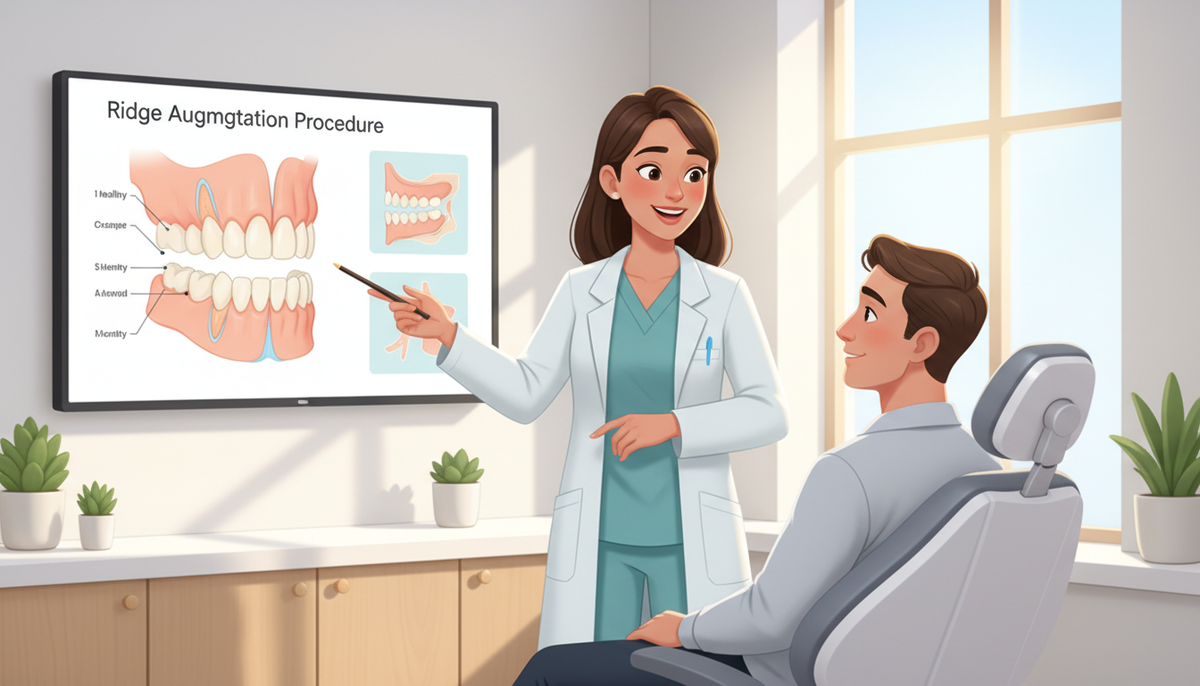
A ridge augmentation is a specialized surgical procedure used to restore the natural height and width of the jawbone after bone loss occurs due to tooth extraction, trauma, or gum disease. By placing grafting materials into the alveolar ridge, dentists recreate the necessary structural foundation to support dental implants and maintain facial contours.
When I sit down with a patient to discuss a smile transformation, we often start by looking at the luster of porcelain or the alignment of a row of teeth. However, I always eventually guide the conversation toward what lies beneath the surface. You see, the true architect of a beautiful face isn’t just the tooth itself—it is the jawbone. Specifically, the alveolar ridge. This specialized bone is the scaffolding that supports your teeth and dictates the very contours of your lower face. When this foundation is compromised, I recommend a sophisticated clinical solution known as ridge augmentation.
In our practice, we often see patients who present with significant horizontal bone atrophy years after a tooth extraction, which would normally make implant placement impossible. By utilizing ridge augmentation, we can successfully rebuild the 'bone envelope,' allowing for ideal three-dimensional implant positioning that ensures both mechanical longevity and a natural-looking emergence profile for the final crown.
— Clinical Observation

I don't view ridge augmentation as just another box to check before a dental implant. To me, it is a regenerative art form. It is a procedure designed to reclaim the natural height and width of a jawbone that has withered away due to trauma, disease, or the simple passage of time following an extraction. For the discerning patient, understanding this isn't just about clinical jargon; it’s about reclaiming a functional bite and a harmonious, youthful facial profile.
The Vanishing Act: Why I Worry About Bone Volume
To understand why I emphasize ridge augmentation, you have to understand the fickle nature of the alveolar ridge. This bone exists for one reason: to hold your teeth. It is a dynamic, living tissue that thrives on the mechanical "workout" of chewing. The moment a tooth is lost, that stimulation vanishes. I often tell my patients that the body is almost too efficient—it begins to "recycle" the minerals from the jaw because it perceives the ridge as obsolete.

This resorption can be startlingly fast. In my experience, a significant portion of bone width can disappear within the very first year after an extraction. This leaves us with a narrow, shallow ridge that simply cannot house a stable dental implant. Think of it like trying to build a grand estate on a crumbling cliffside; without a robust "envelope" of bone, the implant might fail, or worse, the final crown will look unnaturally long and out of place. A dense, voluminous ridge is the non-negotiable price of admission for a high-end restoration.
The Aesthetic Lift: It Is More Than Just Teeth
I frequently see patients who are concerned about the "sunken" look of their lower face. This isn't just skin deep. The jawbone provides the primary support for your lips and cheeks. When the ridge atrophies, the overlying skin loses its structural scaffolding. This is where I see the corners of the mouth begin to droop and the lips lose that youthful fullness we all desire.

This is precisely where restorative dentistry meets facial rejuvenation. When I perform a ridge augmentation, I’m not just prepping a site for a tooth; I am restoring the natural architecture of the face. By rebuilding that lost volume, I can provide the necessary projection for the soft tissues, effectively "filling out" the face from the inside. It’s a subtle, biological lift that often rivals the results of more invasive cosmetic procedures.
How I Determine if You’re a Candidate
My diagnostic process is meticulous. Not everyone who loses a tooth needs a massive graft, but if you’ve dealt with long-term tooth loss or significant trauma, I will likely suggest it. You might notice a visible "dip" in your gum line, or a feeling that the tissue is too thin to support anything permanent. These are the red flags I look for immediately.
In my practice, I lean heavily on modern 3D imaging, such as Cone Beam Computed Tomography (CBCT). This allows me to see your jawbone in three dimensions, removing any guesswork. Often, I prefer a proactive approach called "socket preservation." By performing a minor augmentation the moment a tooth is pulled, I can prevent the bone from collapsing in the first place. I always tell my patients: an early evaluation is the best way to avoid complex reconstructions later.
Inside the Suite: What Happens During the Procedure
The term "bone grafting" sounds intimidating, I know. But I’ve seen firsthand how modern techniques have turned this into a streamlined, comfortable experience. My priority is always patient wellness. We use advanced sedation and local anesthesia to maximize your comfort and minimize sensation during the procedure. It should be a peaceful, anxiety-free experience.
During the procedure, I gently lift the gum tissue to reveal the area where the bone has recessed. I then meticulously place the grafting material into the defect. To ensure the best result, I often use "barrier membranes." I think of these as protective shields; they stop the fast-growing gum tissue from invading the space where we need the slower-growing bone to regenerate. It’s a delicate biological dance that requires precision and patience.
The Biological Menu: Choosing the Right Materials
The science behind the materials I use is nothing short of incredible. I tailor the choice of graft to your specific biological needs:
- Autografts: This is your own bone. I consider this the "gold standard" because it’s alive with your own cells.
- Allografts: This is human donor bone. It is highly processed, sterile, and incredibly effective, saving you from a second surgical site.
- Xenografts: Usually derived from bovine sources, these provide a sturdy mineral scaffold that I find very reliable for long-term volume.
- Synthetic Grafts: These are lab-engineered materials designed to mimic natural bone structure perfectly.
These materials are "osteoconductive." They don’t just sit there; they act as a lattice that encourages your body to migrate its own cells into the area. Over time, your body replaces my graft with your own living bone. It’s a remarkable feat of natural engineering.
Navigating the Path to Healing
The success of this procedure is a partnership between my clinical skill and your commitment to recovery. In those first 48 hours, you’ll feel some fullness or minor swelling—I consider this a sign that the body is starting its work. I always prescribe a protocol of rest and "gentle living."

I tell my patients to be very careful with their diet. Stick to soft, nutrient-dense foods like smoothies or protein-rich yogurts. While your gums might feel "healed" in a couple of weeks, the deeper fusion—what I call osseointegration—takes three to six months. Your body is building a foundation intended for long-term stability, provided proper oral hygiene and professional maintenance are followed.
Future-Proofing Your Health
Once we cross the finish line of healing, the transition to a permanent implant is seamless. The augmented ridge provides the "grip" the implant needs to survive the daily forces of eating and smiling. But I believe the benefits go even further.
By investing in your ridge, you are "future-proofing" your mouth. You’re preventing the shifting of other teeth and stopping the "domino effect" of bone loss that can threaten the rest of your smile. To me, this is an investment in longevity. I want your dental work to look just as natural ten years from now as it does on the day I place it.
Dispelling the Myths I Hear Every Day
I hear a lot of misconceptions. Some think this is "extreme" surgery. While individual experiences vary, many patients find the recovery manageable with standard post-operative care and prescribed medications. Others worry about failure. However, when I use modern biologics and precise techniques, the success rates are exceptionally high.
From a financial standpoint, some see it as an extra cost. But I firmly believe that "doing it right the first time" is the only way to go. Placing an implant in a weak ridge is a recipe for disaster—it leads to aesthetic failure or mechanical breakdown. In my world, quality isn't an option; it is the standard. I want your smile to be your most confident asset, built on a foundation that is as strong as it is beautiful.
Frequently Asked Questions
General
What is a ridge augmentation procedure?
What is a ridge augmentation procedure?
It is a surgical dental procedure used to restore the natural contour of the gums and jawbone that may have been lost due to tooth extraction, trauma, or periodontal disease.
General
Why is ridge augmentation necessary for dental implants?
Why is ridge augmentation necessary for dental implants?
It provides the necessary bone volume (height and width) to securely anchor a dental implant, ensuring long-term stability and a natural aesthetic appearance.
General
How long does it take to recover from ridge augmentation?
How long does it take to recover from ridge augmentation?
While initial gum healing takes about two weeks, the process of the bone graft fusing with your natural jawbone (osseointegration) typically takes three to six months.
General
What materials are used in dental bone grafting?
What materials are used in dental bone grafting?
Materials include autografts (your own bone), allografts (human donor bone), xenografts (bovine bone), or synthetic materials designed to mimic natural bone.
Key Takeaways
- Ridge augmentation provides the essential bone volume required for stable and aesthetically pleasing dental implants.
- The procedure prevents the 'sunken' facial appearance by restoring the structural support for lips and cheeks.
- Modern grafting techniques utilize a variety of materials, including autografts and synthetic scaffolds, to stimulate natural bone regeneration.
- Early intervention through socket preservation can significantly reduce the complexity of future restorative procedures.
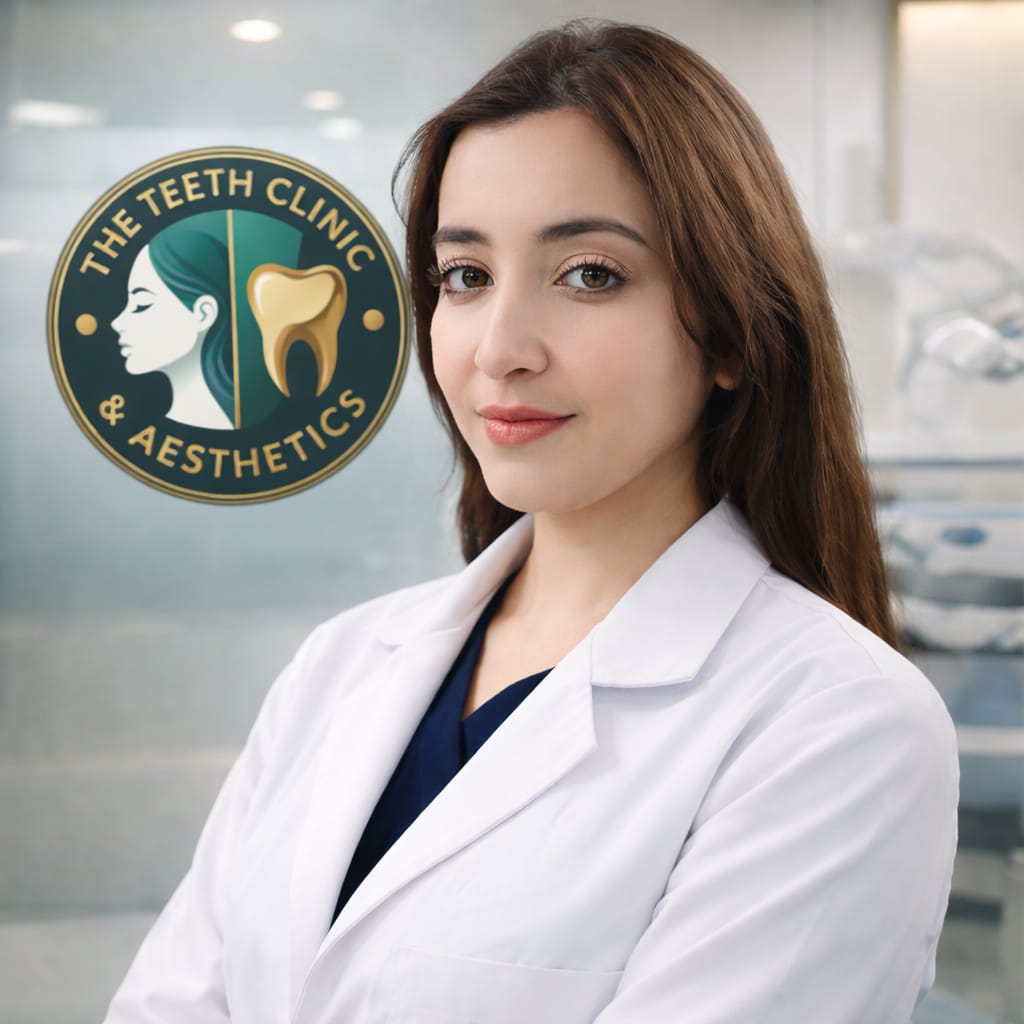
Dr. Afshan Pervez
Lead Dental Surgeon & Aesthetician | BDS, RDS, Orthodontist
Dr. Afshan Pervez is the Lead Dental Surgeon & Aesthetician at The Teeth Clinic with over 14 years of clinical experience. Holding credentials in BDS, RDS, and Orthodontics, she has pursued extensive international training in Portugal, Hong Kong, the USA, and Denmark. Dr. Pervez specializes in complex oral surgery, prosthodontics, and aesthetic medicine, focusing on restorative techniques that combine clinical function with facial harmony.
Last clinically reviewed: 05/04/2026