Beyond the Bone: Why I View Zygomatic Implants as a Life-Altering Shift
Direct Answer
Zygomatic implants typically range from $30,000 to $50,000 per arch. This investment reflects the highly specialized surgical expertise required to anchor implants into the cheekbone, the use of advanced 3D guided technology, and the avoidance of multiple, costly bone grafting procedures often required for traditional implants in cases of severe atrophy.
I’ve sat across from far too many patients who felt completely defeated. They come to me after being told their jawbones are too thin, too 'melted away,' or simply inadequate for standard dental implants. It feels like a finality, doesn't it? Like a door has slammed shut on the possibility of ever eating a steak or smiling without hesitation again. Traditional implants rely heavily on the alveolar bone—that ridge that once cradled your natural teeth. When that bone recedes due to decades of tooth loss or aggressive periodontal disease, the standard medical answer is often a grueling, multi-stage bone grafting process that can drag on for over a year. Frankly, for many of the people I consult with, that timeline is a non-starter.
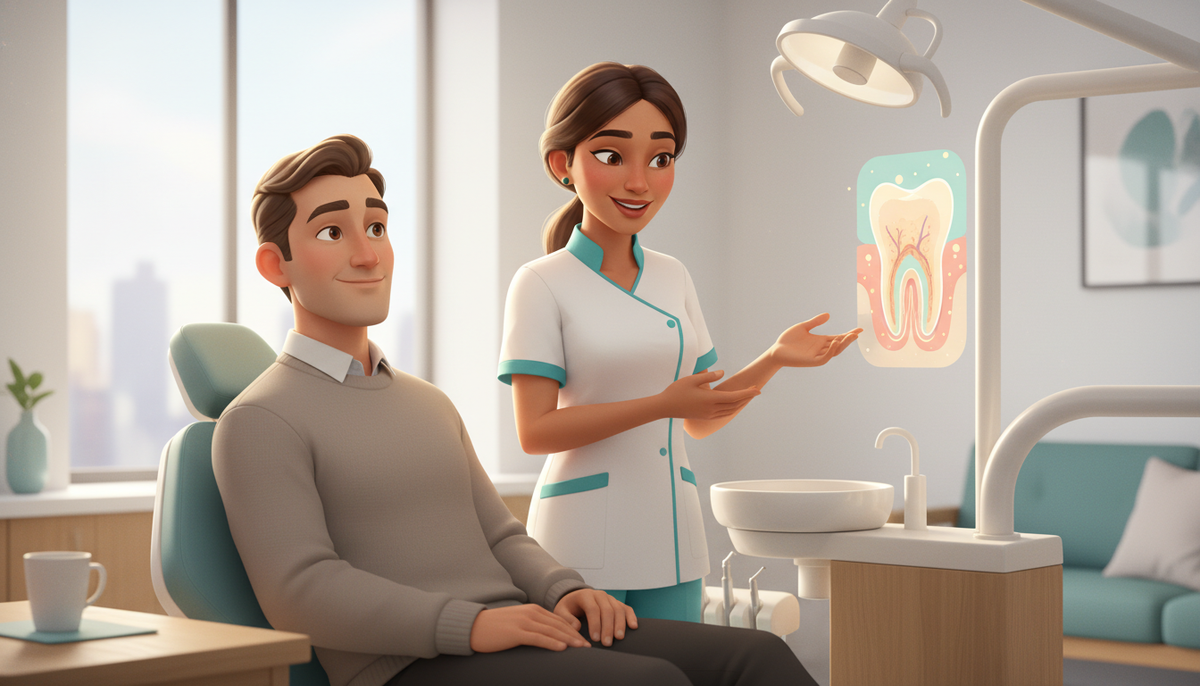
In our practice, we often see patients who have spent years struggling with ill-fitting dentures or have been told they are ineligible for standard implants due to extreme bone loss. The transformation is not just functional; by utilizing the dense zygomatic bone for anchorage, we can bypass the physiological unpredictability of bone grafts, often allowing patients to walk out with a fixed, functional bridge on the very same day as their surgery.
— Clinical Observation
But here is what I’ve seen change the entire narrative: zygomatic implants. By looking upward to the cheekbone—the zygoma—we find a dense, reliable anchor point that doesn't disappear the way jawbone does. It’s an anatomical bypass. I tell my patients that we aren't just 'fixing teeth'; we are re-engineering the foundation of their face. This shift moves us past the limitations of traditional anatomy into a space where a permanent, fixed smile is possible even when the jaw seems to have given up. It is a transition from managing a dental disability to reclaiming a lifestyle, and that emotional weight is something I never overlook.

The Realities of the Investment: What Am I Paying For?
I often get asked why the price point for this procedure sits where it does. It’s a fair question. Truthfully, you aren't just buying titanium and porcelain. You are investing in a high-stakes surgical ecosystem. Placing a zygomatic implant is exponentially more demanding than a standard procedure. It requires a surgeon with maxillofacial expertise who can navigate the delicate geography between the mouth, the sinuses, and the base of the orbital structure. I believe the precision required here is what truly defines the cost.
The process involves several layers of sophisticated technology:
- 3D Mapping: We use high-resolution CBCT scans to create a sub-millimeter map of your facial skeleton.
- Digital Planning: In many cases, I utilize 3D-printed surgical guides that are custom-milled for your specific bone density.
- Bio-Engineered Prosthetics: The 'teeth' themselves are often crafted from monolithic zirconia or hand-layered porcelain over titanium. These aren't off-the-shelf parts; they are bespoke works of art designed to survive the intense mechanics of a new bite.

The Premium of Specialized Care
Let’s be honest: zygomatic restorations carry a premium. But I want to explain why that is. When I operate near the sinus cavities and the eye sockets, the margin for error is non-existent. This isn't a procedure for a general dental office. It requires a surgical suite, often involving IV sedation or general anesthesia managed by a dedicated anesthesiologist. This setup ensures you are safe and comfortable, but it also increases the facility fees and the level of specialized staff required to monitor your vitals.
Then, there is the hardware itself. Zygomatic implants are physically much longer than traditional ones. They have to bridge the gap from the mouth up into the cheekbone. The manufacturing standards for these specialized components are incredibly rigorous, and the costs reflected by dental manufacturers are significantly higher than the standard 'screws' used in routine cases. I view this as the price of engineering a solution where others said it couldn't be done.

Comparing the 'Hidden' Costs of Traditional Methods
I often encourage people to look at the 'time cost' of the alternatives. If you choose the traditional route despite having low bone density, you are looking at:
- Multiple rounds of sinus lifts.
- Extensive bone grafting (which can fail).
- Four to nine months of healing just for the graft to take.
- Repeated surgeries over an 18-month window.
During that entire time, you’re usually stuck wearing an uncomfortable, 'floppy' temporary denture. It’s frustrating. In contrast, zygomatic implants offer what I call a 'time-to-teeth' advantage. We often use an 'Immediate Load' protocol, meaning I can attach a fixed bridge on the very same day as the surgery. When you factor in the cost of four separate surgeries, multiple recovery periods, and time off work, the price gap between traditional and zygomatic solutions often narrows more than you’d think.

The Intersection of Dental and Medical Insurance
Navigating the financial side is where it gets tricky. Most dental insurance plans are, quite frankly, insufficient for major reconstructions, often capping out at a couple of thousand dollars. However, because we are treating severe bone atrophy—which is a medical condition—I’ve seen cases where medical insurance steps in. It isn't a guarantee, but it is a path worth exploring.
To have any chance at medical coverage, I have to provide meticulous documentation. We need to prove that traditional methods aren't viable and that the lack of bone is preventing basic functional health. While you might still face high deductibles, a dedicated insurance coordinator in a high-end practice can be your best ally in maximizing these benefits. I always tell my patients to prepare for the investment, but never to leave money on the table if their medical policy allows for it.
How I See Patients Fund Their New Reality
I realize that a zygomatic restoration is a major financial milestone. Most of the specialized practices I work with don't expect you to have the full amount sitting in a drawer. We look at it like a monthly investment in your health. Third-party lenders like CareCredit or Proceed Finance have plans that can make the monthly payment feel more like a car lease than a massive lump sum.
Other financial tools I often see utilized:
- Phased Payments: Separating the surgical fees from the final prosthetic fees to pace the cash flow.
- HSA/FSA Funds: Using pre-tax dollars can save you 20-30% effectively, depending on your tax bracket.
- Retirement or Home Equity: For many, this is a 'legacy' investment in their own quality of life for their remaining decades.
The Lifestyle ROI: Measuring More Than Just Money
The true return on investment isn't something I can put on a spreadsheet. It’s the moment a patient tells me they went to a restaurant and ordered whatever they wanted without scanning the menu for 'soft' foods. It’s the confidence to laugh without covering your mouth. Those are the moments that matter. Beyond the function, there’s an aesthetic lift. When you lose bone, your face collapses inward—it’s what causes that 'sunken' look and premature wrinkles. By providing a structural bridge, we provide the structural support necessary to restore facial height and volume that is often lost to bone resorption, improving overall facial aesthetics.
Psychologically, the shift is profound. The 'mental load' of worrying about your teeth disappearing or your denture slipping is gone. You reclaim your identity. I’ve seen people start dating again, apply for new jobs, and move through the world with a level of wholeness they hadn't felt in twenty years.

Taking the First Step: The Consultation
If you’re considering this, I suggest a consultation that feels comprehensive. You need more than a quick look; you need a deep dive into 3D imaging and a transparent discussion about your medical history. This is your chance to vet the surgeon. Ask about their track record. Ask about the specific materials they use. A reputable specialist will give you an all-inclusive quote—no hidden fees for the anesthesia or the final bridge later on.
Choosing a team based on their expertise rather than the lowest price is how you protect this investment. Zygomatic implants are designed for exceptional long-term durability and are frequently a life-long solution when supported by rigorous oral hygiene. To me, you aren't just paying for a dental procedure; you are buying back your future and your sense of self. It’s a journey that starts with a single 'yes' after being told 'no' for too long.
Frequently Asked Questions
General
Why are zygomatic implants more expensive than traditional dental implants?
Why are zygomatic implants more expensive than traditional dental implants?
Zygomatic implants require specialized surgical expertise, longer titanium components, and advanced 3D mapping technology. The procedure is often performed under IV sedation or general anesthesia in a specialized surgical suite, which increases the overall investment compared to routine implants.
General
Can medical insurance cover the cost of zygomatic implants?
Can medical insurance cover the cost of zygomatic implants?
While dental insurance often has low caps, medical insurance may sometimes cover zygomatic implants if the procedure is deemed medically necessary to treat severe bone atrophy that prevents basic functional health. Meticulous documentation from your surgeon is required to explore this path.
General
What is the 'time-to-teeth' advantage of zygomatic restorations?
What is the 'time-to-teeth' advantage of zygomatic restorations?
Unlike traditional implants that may require 12-18 months of bone grafting and healing, zygomatic implants often utilize an 'Immediate Load' protocol. This allows a fixed bridge to be attached on the same day as surgery, significantly reducing the total treatment timeline.
General
Are there financing options available for zygomatic implant surgery?
Are there financing options available for zygomatic implant surgery?
Yes, most specialized practices offer third-party financing through providers like CareCredit or Proceed Finance. Patients also frequently use HSA/FSA funds, phased payment plans, or home equity to manage the investment in their long-term oral health.
Key Takeaways
- Zygomatic implants use the cheekbone as a stable anchor, eliminating the need for invasive bone grafting in the upper jaw.
- The higher cost is driven by the requirement for maxillofacial surgical expertise and hospital-grade surgical suites.
- The 'Immediate Load' protocol allows for fixed teeth to be attached shortly after surgery, significantly reducing treatment timelines.
- Medical insurance may occasionally provide coverage for the surgical portion if severe bone atrophy is documented as a functional medical necessity.
Dr. Afshan Pervez
Lead Dental Surgeon & Aesthetician | BDS, RDS, Orthodontist
Dr. Afshan Pervez is the Lead Dental Surgeon and Aesthetician at The Teeth Clinic with over 14 years of clinical experience. Holding BDS, RDS, and Orthodontist credentials, her extensive education includes an Integrated Masters from Portugal, Implant dentistry training in Hong Kong, and Dental Medicine studies in the USA. She specializes in complex Oral Surgery, Endodontics, and Aesthetic Medicine, focusing on comprehensive rehabilitations that combine functional health with facial aesthetics.
Last clinically reviewed: 04/04/2026