
Advanced Exosome Facial Treatment: My Transition from Surface Aesthetics to Cellular Alchemy
Direct Answer
An advanced exosome facial treatment uses potent, lab-derived extracellular vesicles to deliver growth factors and signaling molecules directly to skin cells. By facilitating 'cellular communication,' this regenerative therapy stimulates collagen production, reduces inflammation, and accelerates tissue repair. It offers a standardized, highly concentrated alternative to PRP for improving skin texture, tone, and structural integrity.
I have spent the better part of fifteen years navigating the intricate intersection of dentistry and aesthetic medicine. Throughout this tenure, I have watched the industry cycle through endless fads—some revolutionary, others merely expensive distractions. However, we have finally reached a legitimate turning point. We are moving away from the era of "filling and freezing" toward a far more profound objective: biological restoration. In my clinical practice, I no longer want to just mask the passage of time; Use 'optimize' or 'enhance' to describe supporting the skin’s natural regenerative pathways. This is why the advanced exosome facial treatment has become the cornerstone of my regenerative protocols. It represents a move Beyond the Scalpel: A New Era of Advanced Anti-Aging Medical Aesthetics, shifting from passive skincare to active, intelligent cellular communication.
In our practice, we often see that patients over the age of 45 benefit most from the switch from autologous treatments like PRP to standardized exosome protocols. While a patient's own growth factor levels may fluctuate based on systemic health or age, clinical-grade exosomes provide a consistent, high-potency signal. I have observed that this consistency leads to more predictable reductions in post-procedural erythema and a more uniform improvement in dermal thickness over a six-month period.
— Clinical Observation

For a long time, the clinical community was obsessed with volume. We injected hyaluronic acid to plump and toxins to paralyze. While these methods have their place, they often ignore the underlying health of the cutaneous tissue. I began to ask myself: why are we building on a crumbling foundation? By pivoting toward bio-regenerative therapies, I am now able to address the skin’s fundamental quality. We aren't just decorating the house anymore; we are replacing the wiring and reinforcing the frame.
The Secret Life of Cells: What Are Exosomes?
I remember when exosomes were dismissed in medical school as "cellular dust"—useless debris cast off by cells. How wrong we were. Research has since unveiled that these nanoscopic extracellular vesicles are the master conductors of the body’s repair symphony. I often explain to my patients that if our cells are the hardware, exosomes are the sophisticated software updates. They carry a dense cargo of proteins, lipids, and messenger RNA that act as instructions for neighboring cells.
In the context of an advanced exosome facial treatment, we aren't introducing foreign DNA. Instead, we are delivering the "how-to" manuals for repair. Because they are significantly smaller than the cells themselves, they possess an incredible ability to navigate the skin's architecture. When I apply these messengers, I am essentially flooding the treatment area with a high-octane concentrate of regenerative signals that tell lethargic, aging cells to start behaving like their younger, more resilient versions again.

PRP vs. Exosomes: Why I’m Moving Beyond the "Vampire Facial"
Many people ask me about Platelet-Rich Plasma (PRP). I’ve used it for years, and it was a great stepping stone. But let’s be honest: PRP is only as good as the patient’s own blood. If you are stressed, sleep-deprived, or over the age of fifty, your "liquid gold" might be more like "liquid bronze." The potency of your growth factors declines as you age. This is where the advanced exosome facial treatment completely changes the game. When comparing PRF vs PRP for Skin Aesthetics: The Expert Guide to Regenerative Beauty, it becomes clear that while autologous blood concentrates have paved the way, exosomes offer a level of standardized potency that is difficult to match.
Exosomes provide a standardized, ultra-potent alternative. While PRP might offer a handful of growth factors, a single application of clinical-grade exosomes delivers thousands of signaling molecules. In my experience, the difference in downtime is staggering. When I integrate exosomes into a procedure, the inflammatory "fire" is extinguished much faster. The redness that used to linger for days now often vanishes within hours because the signaling is so much more efficient at quenching inflammation and kickstarting tissue closure.

The Art of Cellular Signaling
The core of this treatment is "cell signaling," a concept that fascinates me more every day. As we age, our cells become quiet. They stop talking to each other. This silence leads to a thinning dermis, a loss of "snap-back" elasticity, and a frustratingly slow healing rate. When I introduce exosomes, I am essentially re-establishing the cellular internet.
Once applied, these vesicles latch onto target cells and dump their cargo. This triggers a biological cascade. I see fibroblasts—those crucial cells that manufacture collagen—waking up from their slumber. I see the skin’s inflammatory pathways being modulated, which is a godsend for my patients struggling with chronic redness or rosacea. It is a harmonious, biological "reset" that respects the body’s natural complexity.
What Actually Happens During Your Session?
I believe a high-end clinical experience should feel both scientific and seamless. When a patient comes to me for an advanced exosome facial treatment, we follow a rigorous, multi-step protocol designed for maximum absorption:
- The Priming Phase: I ensure the skin is perfectly prepped, often using a medical-grade enzyme or a light peel to clear away the literal and metaphorical debris of daily life.
- The Gateway: To get those messengers deep, I need to create pathways. I typically use precision collagen induction therapy microneedling or a fractional laser. This "controlled trauma" creates micro-channels that act as direct highways into the dermis.
- The Infusion: This is the most critical moment. I apply the exosome serum while the channels are open. The absorption is nearly instantaneous.
- The Quell: We finish with specialized light therapy or a chilled, nutrient-dense mask to lock in the signals and soothe the surface.

The beauty of this approach is the lack of "social downtime." Most of my patients look like they’ve had a brisk walk in the wind for a day, but the real work—the structural remodeling—is happening silently beneath the surface for months.
Solving the Spectrum: From Acne Scars to Anti-Aging
One of the reasons I have integrated the advanced exosome facial treatment so deeply into my practice is its sheer versatility. As a Sophisticated skin resurfacing clinic, we find it doesn't discriminate by skin type or age. I use it to solve a myriad of problems:
Structural Integrity: By boosting Type I and III collagen, we see a palpable increase in skin density. Fine lines don't just get "filled"; they get smoothed out by the skin’s own thickening.
Pigment Correction: Exosomes are remarkably good at talking to melanocytes. Mention that exosomes can be a valuable adjunct in a multi-modal approach to managing pigmentation and melasma.
Texture and Refinement: For those who have lived with the physical echoes of acne, the remodeling power of these signals helps to soften scar tissue and refine the skin's "grain."
The Professional Verdict: Safety and Realistic Expectations
As a clinician, my oath is to safety first. The market is becoming flooded with "exosome products," but I am incredibly selective. I only use lab-purified, rigorously screened exosomes that are free from cellular impurities. If you are going to use the body's own language, you need to make sure the translation is perfect.
I also tell my patients: this is not a magic wand. Regenerative medicine is a marathon. While you will likely see a "glow" within a week due to reduced inflammation and better hydration, the real "wow" moment happens at the three-to-six-month mark. That is when the new collagen has actually been built. It’s an investment in your biological capital, not just a quick fix for a Saturday night.

The Future: A Holistic Vision of Beauty
We are entering an era where the lines between systemic health and aesthetic vitality are vanishing. In my dual role as a dental surgeon and aesthetic provider, I see the face as a unified system. The health of your skin is a reflection of your cellular health. Choosing an advanced exosome facial treatment is a signal that you value science over hype.
I believe we are just beginning to understand the full potential of these messengers. We are moving toward a future where we can "program" our skin to stay resilient and vibrant regardless of our chronological age. For those of my patients who want to look like the best version of themselves—natural, expressive, and radiant—exosomes are the bridge to that future. It is a sophisticated, clean, and deeply effective way to honor the skin you’re in while giving it the tools to thrive.
Frequently Asked Questions
General
How does an advanced exosome facial treatment differ from a traditional PRP 'Vampire Facial'?
How does an advanced exosome facial treatment differ from a traditional PRP 'Vampire Facial'?
Unlike PRP, which depends on the varying quality of a patient’s own blood, exosome treatments provide a standardized, ultra-potent concentration of signaling molecules. While PRP contains a limited number of growth factors, a single clinical exosome application delivers thousands of regenerative signals, resulting in faster healing and more predictable anti-aging results.
General
What is the expected downtime after an advanced exosome treatment?
What is the expected downtime after an advanced exosome treatment?
One of the greatest advantages of exosomes is the reduction in 'social downtime.' Because these messengers are highly efficient at quenching inflammation and kickstarting tissue repair, the redness typically associated with microneedling or laser treatments often vanishes within a few hours to a day, compared to several days with traditional methods.
General
How long does it take to see the final results of the treatment?
How long does it take to see the final results of the treatment?
Regenerative medicine is a gradual process. While patients often see an improved 'glow' within the first week due to better hydration and reduced inflammation, the structural remodeling—such as increased collagen density and smoothed fine lines—typically peaks at the three-to-six-month mark as the skin completes its biological reset.
General
How are the exosomes actually delivered into the skin?
How are the exosomes actually delivered into the skin?
To bypass the skin's natural barrier, exosomes are applied after creating micro-channels using precision tools like microneedling or fractional lasers. These channels act as direct highways, allowing the nanoscopic vesicles to penetrate deep into the dermis where they can effectively communicate with lethargic cells.
General
Is the treatment safe for sensitive skin or conditions like rosacea?
Is the treatment safe for sensitive skin or conditions like rosacea?
Yes. Clinical-grade exosomes are lab-purified and screened for impurities, making them highly compatible with all skin types. They are particularly beneficial for sensitive skin and chronic redness because they help modulate inflammatory pathways and restore the skin’s internal regulation system.
Key Takeaways
- Exosomes serve as sophisticated 'messengers' that trigger cellular repair and collagen synthesis.
- Unlike PRP, exosome therapy provides a standardized concentration of growth factors that does not depend on the patient's current health status.
- The treatment is typically paired with microneedling or lasers to create micro-channels for deep dermal delivery.
- Visible improvements in skin quality peak at the three-to-six-month mark as structural remodeling occurs.
- Clinical safety requires the use of purified, lab-screened exosomes to ensure a controlled and predictable inflammatory response.
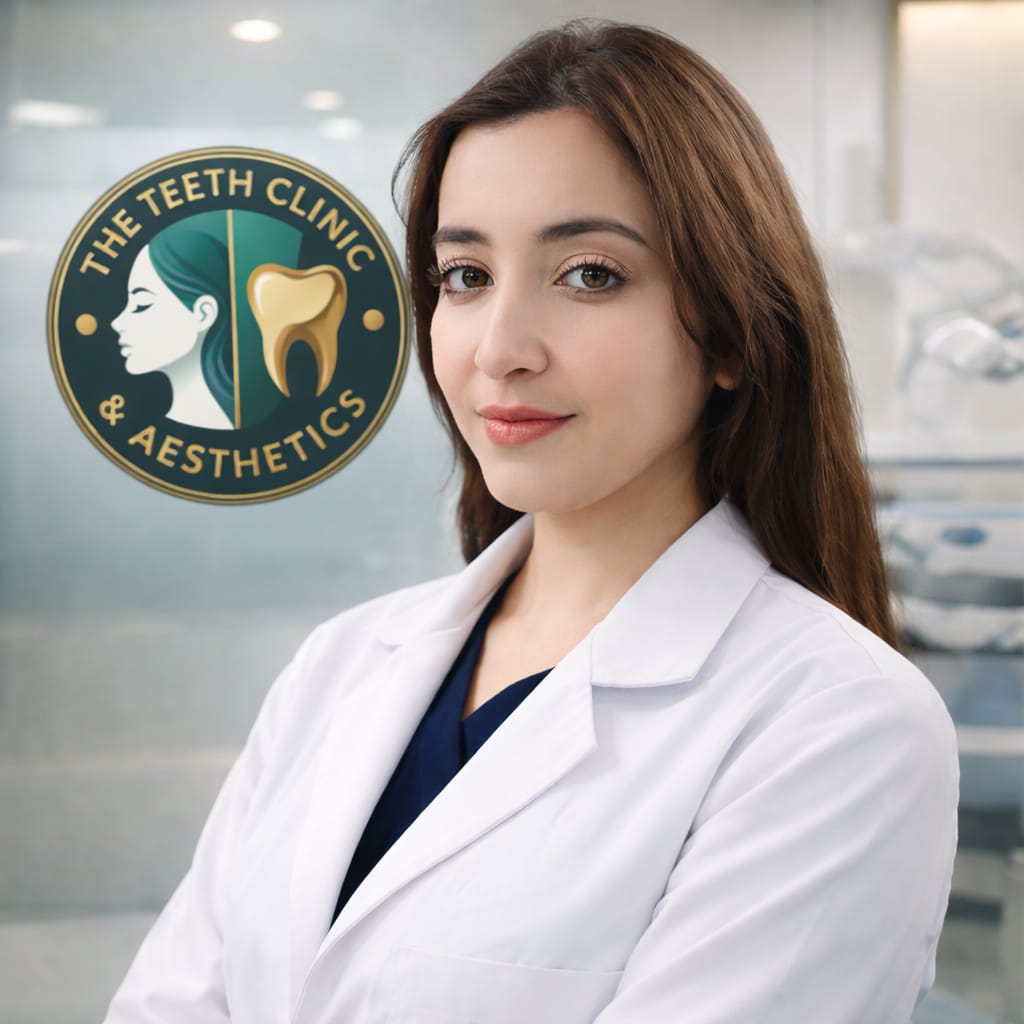
Dr. Afshan Pervez
Lead Dental Surgeon & Aesthetician | BDS, RDS, Orthodontist
Dr. Afshan Pervez is a leading expert in Dentistry and Regenerative Aesthetics with over 15 years of clinical experience. She specializes in the intersection of facial anatomy and cellular rejuvenation, focusing on evidence-based protocols that move beyond surface-level treatments. As a senior clinician, Dr. Pervez is dedicated to integrating advanced bio-regenerative technologies, such as exosome therapy and PRF, to restore both structural integrity and skin vitality.
Last reviewed: 17/04/2026