
Understanding Collagen Induction Therapy Microneedling: A Regenerative Approach to Skin Health
Direct Answer
Collagen induction therapy, or microneedling, is a minimally invasive regenerative treatment that utilizes fine, medical-grade needles to create controlled micro-injuries in the skin. This process triggers the body’s natural wound-healing cascade, stimulating fibroblast activity to produce new collagen and elastin, resulting in smoother, firmer, and more resilient skin texture.
In the evolving landscape of regenerative aesthetics, few treatments have stood the test of clinical scrutiny as effectively as collagen induction therapy microneedling. As a practitioner with over 15 years of experience in both dentistry and facial rejuvenation, I have observed a significant shift in how we approach skin health. We no longer simply look to "fill" or "freeze" features. Instead, our focus has pivoted toward biological restoration—encouraging the body to repair itself from within. This is the essence of my clinical philosophy at the intersection of dental precision and aesthetic medicine, moving Beyond the Scalpel: A New Era of Advanced Anti-Aging Medical Aesthetics.
In our practice, we often see that patients who combine microneedling with Platelet-Rich Fibrin (PRF) experience a notable reduction in post-procedural erythema. Beyond the immediate glow, we observe that the most significant structural improvements in skin density and the softening of acne scars typically manifest between the third and fourth sessions, highlighting the importance of the cumulative remodeling phase in regenerative medicine.
— Clinical Observation
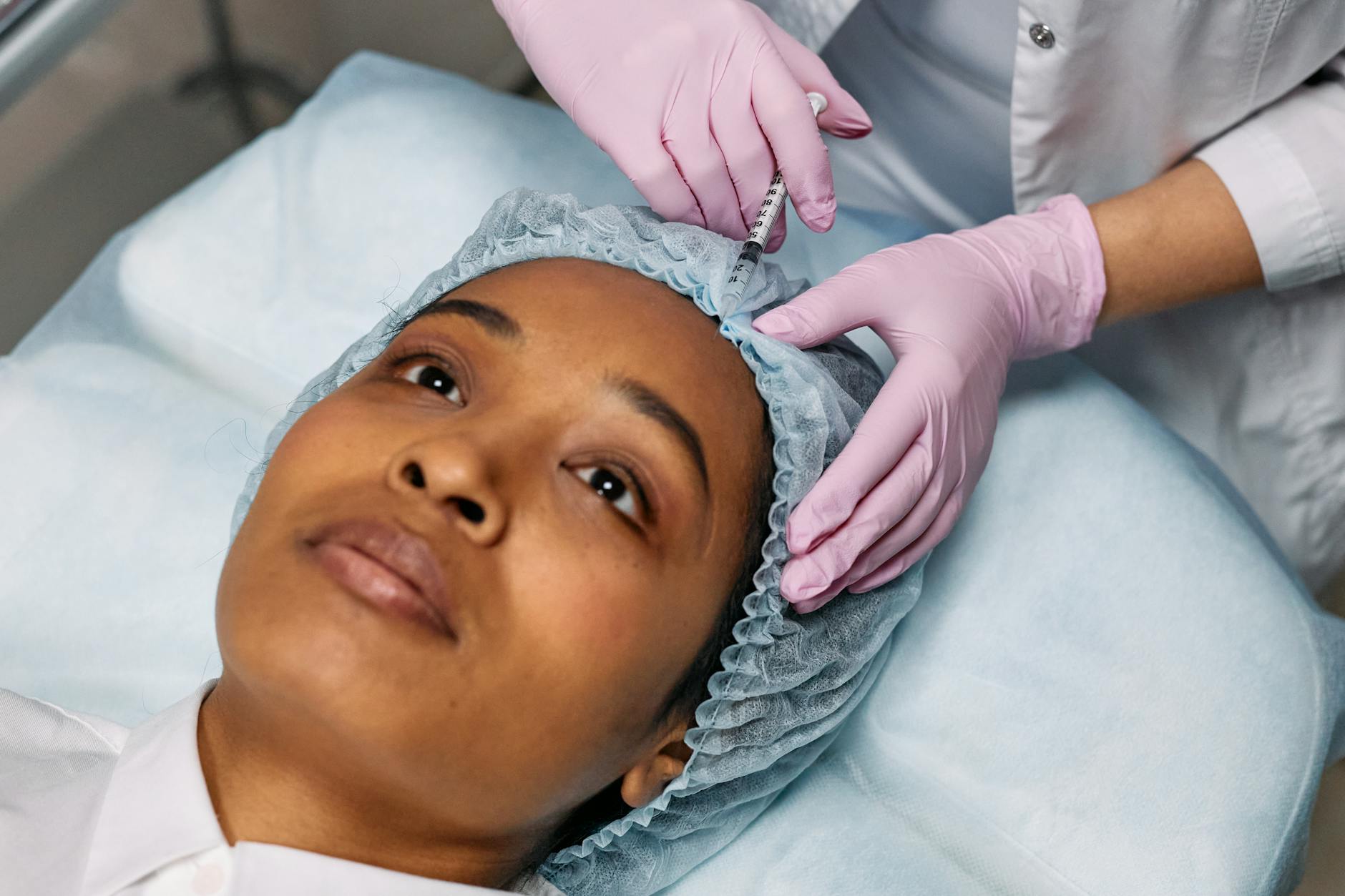
Collagen induction therapy microneedling is more than a trendy skincare procedure; it is a sophisticated mechanical method of stimulating the skin’s natural wound-healing cascade. By creating controlled micro-injuries, we trigger a biological response that results in the synthesis of new structural proteins. For patients seeking a refined, lifestyle-oriented approach to aging, this treatment offers a bridge between routine skincare and more invasive surgical interventions.
The Biological Mechanism of Microneedling
To appreciate why collagen induction therapy microneedling is so effective, we must look at the cellular level. The process involves a specialized device equipped with fine, medical-grade needles that penetrate the epidermis and dermis at precise depths. These micro-channels are essentially "positive trauma." They are small enough to heal rapidly without scarring, yet significant enough to alert the immune system that repair is needed.
When these micro-channels are created, the body initiates a three-phase healing process. First is the inflammatory phase, where platelets are activated to release growth factors. This is followed by the proliferative phase, where fibroblasts—the architects of our skin—begin to lay down new extracellular matrix components. Finally, the remodeling phase occurs, where temporary Type III collagen is replaced by stronger, more resilient Type I collagen. In my practice, I emphasize that this is not an overnight transformation. It is a biological journey that unfolds over several weeks, leading to skin that is objectively thicker and more elastic.
The Role of Collagen and Elastin
Collagen is the scaffolding of our face, providing the structural integrity that keeps skin firm. Elastin, as the name suggests, provides the snap-back quality. As we age, the production of these proteins slows down, and the existing fibers begin to fragment. This leads to the hallmark signs of aging: fine lines, laxity, and a loss of youthful "bounce." Collagen induction therapy microneedling effectively resets this clock. By mechanically stimulating the dermal layer, we encourage the skin to produce a fresh supply of these vital proteins, resulting in a smoother texture and improved facial contours.
Integrating Regenerative Medicine: PRP, PRF, and Exosomes
While traditional microneedling offers impressive results, the modern standard in high-end aesthetic medicine involves the integration of regenerative "boosters." In my clinical experience, the synergy between collagen induction therapy microneedling and autologous blood concentrates—like Platelet-Rich Plasma (PRP) and Platelet-Rich Fibrin (PRF)—is unparalleled. This is where the worlds of advanced dentistry and facial aesthetics truly merge, often requiring an understanding of PRF vs PRP for Skin Aesthetics: The Expert Guide to Regenerative Beauty.
Platelet-Rich Fibrin (PRF): In our practice, we often prefer PRF for its slow-release properties. By applying PRF topically during and after the microneedling process, the growth factors penetrate deep into the micro-channels. This significantly accelerates healing and amplifies the collagen-building effect. Since PRF is derived from your own blood, it is a 100% natural, biocompatible treatment that aligns with a holistic approach to wellness.

Exosomes: The latest frontier in our regenerative toolkit involves exosomes. These are small extracellular vesicles that act as messengers between cells. When used in conjunction with collagen induction therapy microneedling, exosomes provide the skin with the specific signals needed to repair damaged tissue and reduce inflammation. This is particularly beneficial for patients dealing with significant sun damage or those who want the absolute pinnacle of anti-aging technology.
What to Expect During Your Treatment
A common concern I hear from patients is whether the procedure is painful. Because we operate within a professional, high-end clinical setting, patient comfort is our priority. We begin by applying a medical-grade topical numbing cream. Once the skin is properly anesthetized, the microneedling process itself feels like a light, vibrating sensation. Depending on the area being treated—whether it is the full face, neck, or décolletage—the procedure usually takes between 30 to 45 minutes.
Immediately following the treatment, the skin will appear flushed, similar to a mild sunburn. This is a healthy sign that the inflammatory cascade has begun. Most of our patients find that this redness subsides significantly within 24 to 48 hours. Because we are not using heat or harsh chemicals, the downtime is minimal, making it an ideal choice for individuals with busy professional and social schedules.
The Clinical Applications: More Than Just Wrinkles
While many seek out collagen induction therapy microneedling for its anti-aging benefits, its versatility allows us to address a wide range of dermatological concerns. In our Sophisticated skin resurfacing clinic, I have found it to be one of the most effective tools for the following:
- Acne Scarring: By breaking up old, fibrous scar tissue and encouraging new collagen growth, we can significantly smooth out "pitted" or "boxcar" scars.
- Hyperpigmentation: The treatment helps to normalize melanocyte activity and speed up cellular turnover, leading to a more even skin tone.
- Pore Size: While you cannot "shrink" pores in the traditional sense, increasing the collagen density around the pore walls makes them appear much smaller and tighter.
- Stretch Marks: Microneedling is one of the few treatments that can effectively improve the texture and appearance of striae on the body.

Why Professional Oversight Matters
In an era where "at-home" microneedling rollers are widely available, I must stress the importance of professional-grade collagen induction therapy microneedling. The devices used in a clinical setting are vastly different from consumer rollers. Clinical devices utilize vertical needles that enter and exit the skin without causing unnecessary tearing or "track-mark" scarring. Furthermore, the depth of penetration can be adjusted precisely to treat different areas of the face—thinner skin around the eyes requires a much lighter touch than the cheeks or jawline.
Safety and sterility are paramount. In our practice, we adhere to the same rigorous sterilization protocols we use in oral surgery. This ensures that the micro-channels we create remain a gateway for healing, not for infection. Furthermore, a professional can assess your skin's unique needs and determine if you are a candidate for more advanced additions like PRF or exosomes, ensuring you get the most out of your investment.
The Intersection of Dentistry and Facial Aesthetics
You might wonder why a dental expert like myself focuses so heavily on skin rejuvenation. The answer lies in the structural harmony of the face. As a dentist, I have spent my career studying the underlying bone structure, muscle attachments, and the way the soft tissue drapes over the "frame" of the teeth and jaw. We understand the anatomy of the face more intimately than almost any other medical specialty.
When we perform collagen induction therapy microneedling, we aren't just looking at the skin as an isolated layer. We are looking at how the skin interacts with the dental midline, the smile line, and the overall facial symmetry. This holistic perspective is essential when considering treatments like Medical Skin Tightening for Jawline: A Regenerative Approach to Facial Architecture. This allows us to achieve results that look natural and balanced, enhancing your features rather than changing them into something unrecognizable.
Post-Treatment Care and Longevity
The success of collagen induction therapy microneedling depends heavily on what happens after you leave the clinic. We provide our patients with a specific post-care regimen designed to protect the skin while it is in its highly permeable state. For the first 24 hours, we generally recommend avoiding makeup and heavy exercise. Sun protection is non-negotiable; because the skin is healing, it is more susceptible to UV damage during the first week.
Longevity is a common question. While a single session will provide a noticeable glow, we typically recommend a series of three to six treatments spaced about four to six weeks apart for transformative results. Collagen remodeling is a slow process. You will continue to see improvements in your skin’s texture and firmness for up to six months after your final session. Maintenance treatments once or twice a year can help prolong the aesthetic improvements and support long-term skin health.
Cultivating a Lifestyle of Skin Health
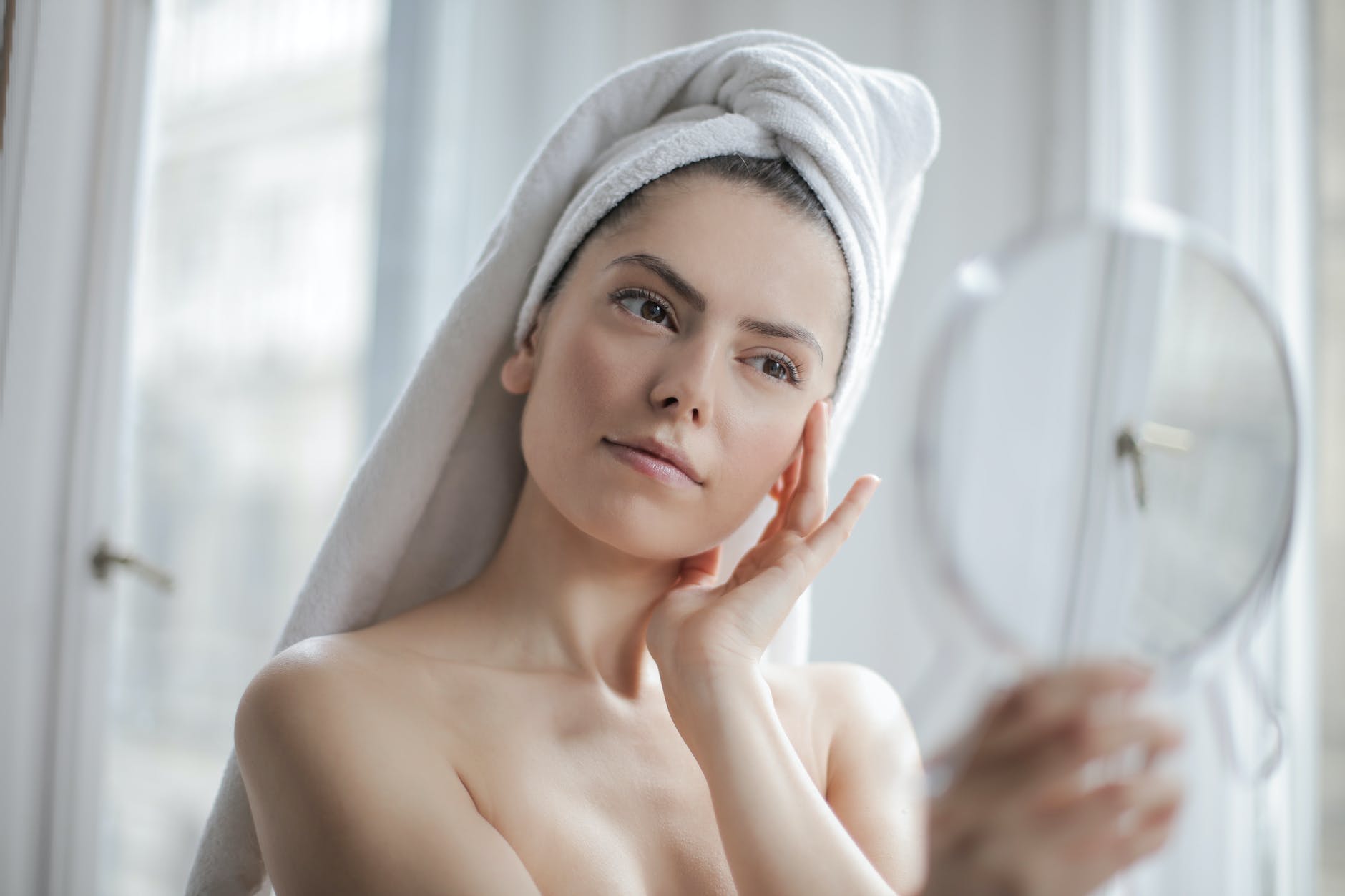
Ultimately, collagen induction therapy microneedling is an investment in your skin’s future. In my practice, we view these treatments as part of a broader lifestyle commitment to health and longevity. When combined with proper nutrition, hydration, and medical-grade skincare, microneedling acts as a powerful catalyst for maintaining a vibrant, youthful appearance.
We believe in the power of regenerative medicine to empower our patients. By choosing treatments that work with your body’s natural biology, you are opting for a path that values health, subtle refinement, and long-term vitality. If you are looking for a way to refresh your appearance without the "worked-on" look, collagen induction therapy microneedling remains one of the most elegant solutions available today.
Frequently Asked Questions
General
How long does it take to see results from collagen induction therapy, and how many sessions are needed?
How long does it take to see results from collagen induction therapy, and how many sessions are needed?
While an immediate 'glow' can be seen shortly after treatment, the biological process of collagen remodeling takes time. Real structural improvements in skin texture and firmness typically emerge over several weeks as new Type I collagen matures. For optimal results, a series of 3 to 6 treatments spaced 4 to 6 weeks apart is generally recommended.
General
What are the benefits of adding PRF or Exosomes to a microneedling treatment?
What are the benefits of adding PRF or Exosomes to a microneedling treatment?
Integrating Platelet-Rich Fibrin (PRF) or Exosomes acts as a biological 'booster.' These regenerative substances penetrate the micro-channels created by the needles to deliver high concentrations of growth factors and cellular messengers. This combination significantly accelerates the healing process and amplifies the overall skin rejuvenation and tightening effects.
General
Why should I choose professional clinical microneedling over at-home rollers?
Why should I choose professional clinical microneedling over at-home rollers?
Professional clinical devices use vertical needle technology that prevents skin tearing and 'track-mark' scarring common with manual rollers. Furthermore, a practitioner can precisely adjust needle depth for different facial zones (such as the thin skin near the eyes vs. the jawline) and maintain medical-grade sterilization protocols to prevent infection.
General
What is the typical downtime and recovery process after a treatment?
What is the typical downtime and recovery process after a treatment?
Most patients experience a flushed appearance similar to a mild sunburn for 24 to 48 hours. Because the procedure is mechanical rather than chemical or heat-based, downtime is minimal. Patients are advised to avoid makeup and heavy exercise for the first 24 hours and must prioritize strict sun protection while the skin is in its permeable healing state.
Key Takeaways
- Microneedling initiates a three-phase healing response (inflammation, proliferation, remodeling) to naturally synthesize collagen and elastin.
- Integrating autologous blood concentrates like PRF can accelerate healing and enhance the biological signaling for tissue regeneration.
- The procedure effectively addresses diverse concerns, including fine lines, acne scarring, hyperpigmentation, and skin laxity.
- Professional clinical oversight is essential to ensure precise needle depth and maintain sterile conditions to prevent complications.
- Results are progressive and cumulative, with the most significant improvements appearing several weeks after a series of treatments.
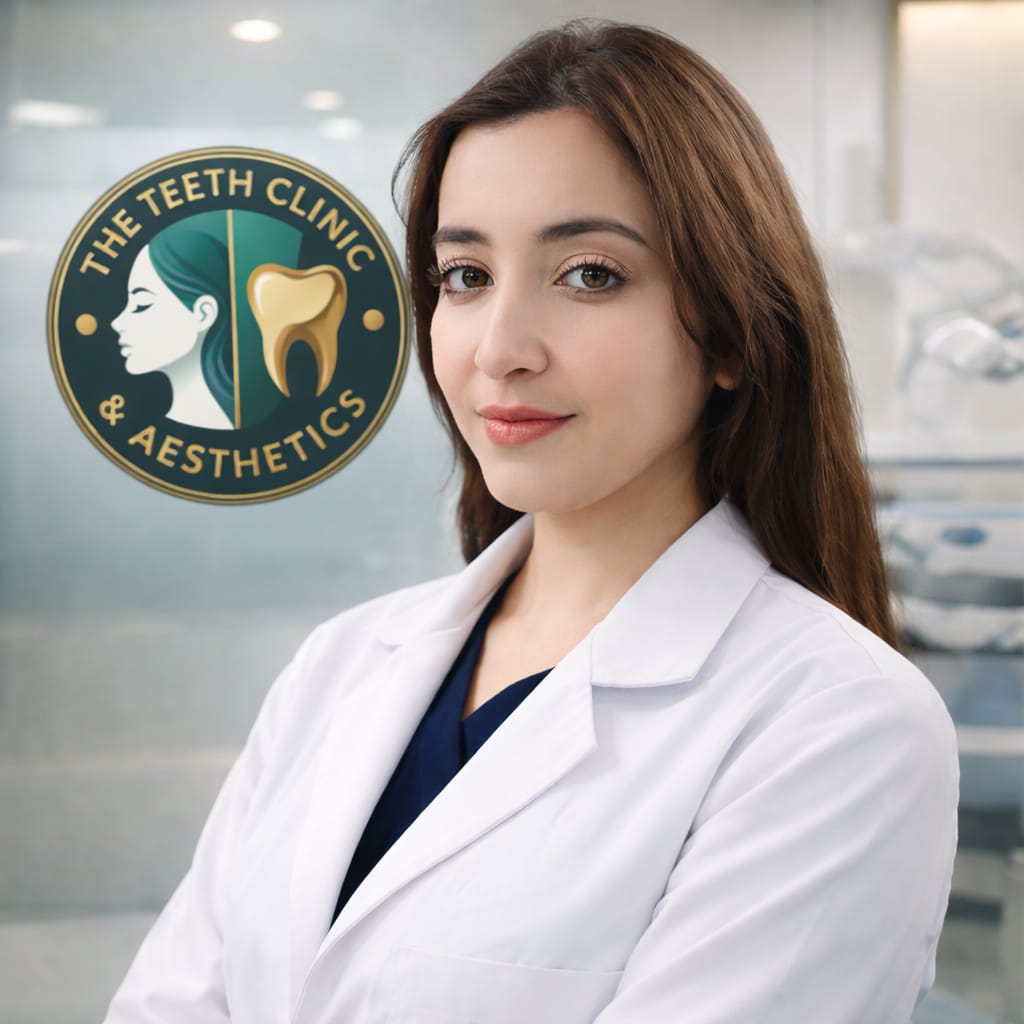
Dr. Afshan Pervez
Lead Dental Surgeon & Aesthetician | BDS, RDS, Orthodontist
Dr. Afshan Pervez is a leading expert in Dentistry and Regenerative Aesthetics with over 15 years of clinical experience. Specializing in the intersection of facial architecture and biological restoration, Dr. Pervez integrates precision dental techniques with advanced medical aesthetics. Her practice focuses on evidence-based skin rejuvenation, utilizing innovative regenerative tools like PRF and collagen induction therapy to achieve harmonious, natural-looking results that respect the underlying anatomy.
Last reviewed: 16/04/2026