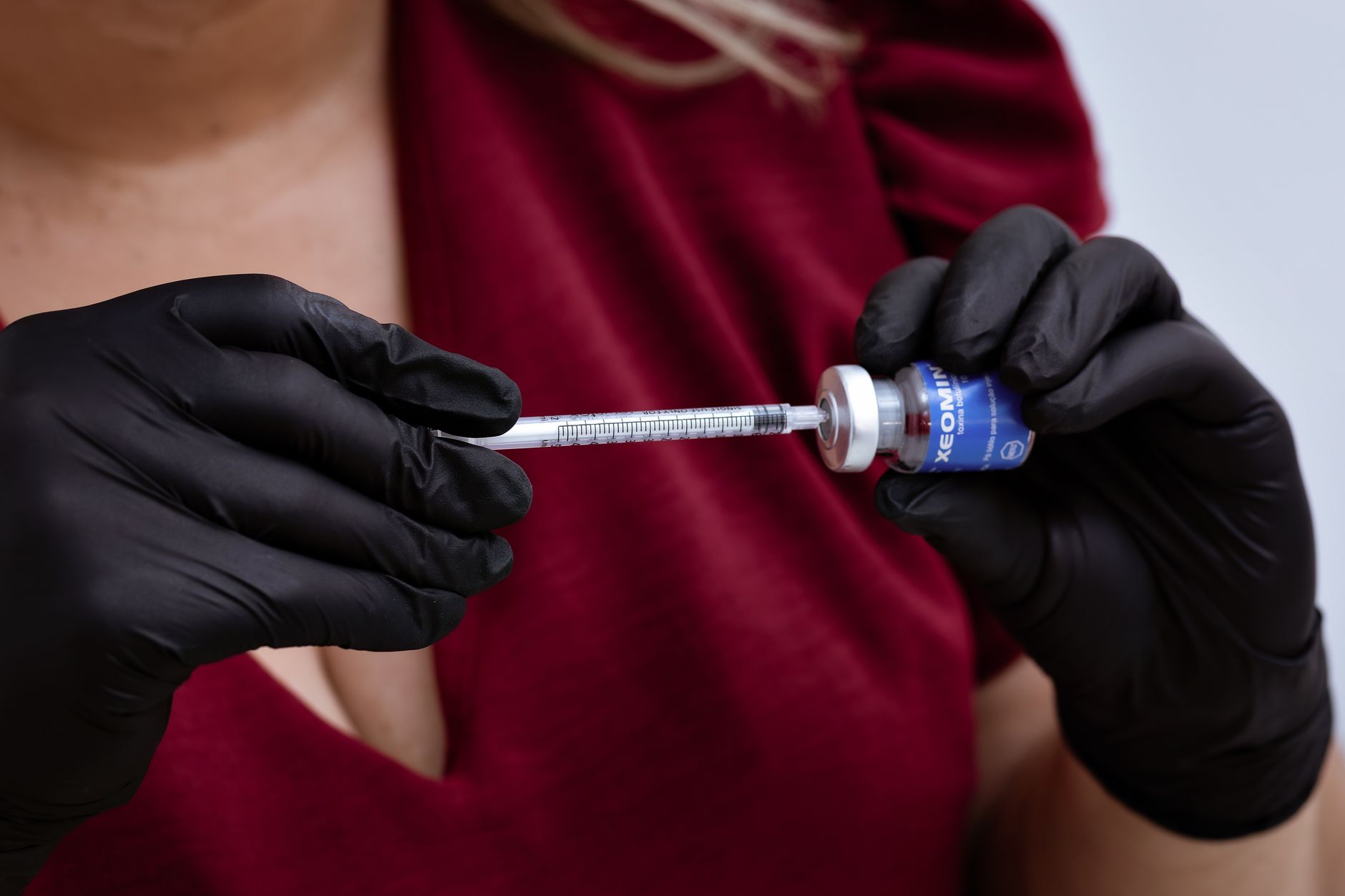
Breaking the Cycle of Pain: My Perspective on the TMJ Struggle
Direct Answer
Botox for TMJ works by injecting botulinum toxin directly into the masseter muscles to block nerve signals that cause involuntary clenching. This treatment effectively reduces jaw pain, alleviates tension headaches, and prevents dental wear from bruxism. While primarily functional, it also provides an aesthetic benefit by slimming the jawline profile.
I have sat across from countless patients whose mornings don’t begin with the gentle aroma of coffee, but with a visceral, radiating throb in their temples. It is a specific kind of exhaustion. To me, Temporomandibular Joint (TMJ) disorder is not just a clinical diagnosis—it is a thief of quality of life.
In our practice, we often see patients who have transitioned from chronic dependence on analgesics to near-total symptom relief after targeted Botox therapy. We've observed that many individuals with severe masseteric hypertrophy also present with vertical enamel fractures; by relaxing the bite force, we not only manage their pain but also provide a protective environment for existing restorative dental work.
— Clinical Observation

In my practice, I’ve found that chronic clenching and nocturnal bruxism—the involuntary grinding that happens while you sleep—are the true culprits. I often recommend a custom night guard for protection, but for many, the muscle activity itself needs to be addressed.
The Science of Quiet: Why I Use Botox for the Masseter
To understand the relief I provide, we have to look at the masseter. I call this the "bodybuilder" of the face. When I use Botox—a purified neurotoxin—I am essentially "whispering" to the nerves to stop overstimulating that muscle.

This treatment is particularly effective for those who wonder why their jaw pops or clicks during daily activities. By lowering the volume of muscle activity, we significantly reduce the hyperactive muscle force that contributes to tension headaches..
Aesthetic Harmony: The Sculpting Side Effect
While my primary focus is functional relief, I cannot ignore the transformative aesthetic results. As I treat the masseter, the muscle begins to thin out, providing a subtle slimming of the jawline.

Many patients ask, can masseter botox change face shape? The answer is often yes, as the muscle relaxes and thins, though individual results depend on the degree of masseteric hypertrophy. that complements other treatments like gummy smile correction.
The Teeth Clinic Advantage: My Commitment to Precision
Precision is my obsession. At The Teeth Clinic & Aesthetics, we map your unique musculature to ensure the Botox stays exactly where it belongs.
We consider your bite force and muscle density, much like how we evaluate how malocclusions affect joint function before proceeding with any clinical intervention.
The Road to Relief: My Observed Timeline
Botox is a journey. Within the first 72 hours, you'll start to feel a slight "lightness." The peak therapeutic effect hits between the one and two-week mark.

Over time, the muscle begins to undergo disuse atrophy, leading to a prolonged state of relaxation and reduced volume., which is a vital insurance policy for your smile, preventing the need for cracked tooth repair caused by extreme grinding forces.
Frequently Asked Questions
General
How does Botox help with TMJ and jaw pain?
How does Botox help with TMJ and jaw pain?
Botox acts as a neurotoxin that relaxes the masseter muscle. By reducing the intensity of involuntary muscle contractions, it alleviates the pressure on the temporomandibular joint, stopping the cycle of clenching and grinding.
General
Will Botox for TMJ change my face shape?
Will Botox for TMJ change my face shape?
Yes, a common side effect of treating the masseter muscle is jaw slimming. When the overactive muscle is allowed to rest, it naturally thins out, resulting in a more contoured, oval facial profile.
General
How long does it take for TMJ Botox to work?
How long does it take for TMJ Botox to work?
Most patients feel a 'lightness' in their jaw within 72 hours. Full therapeutic relief from tension headaches usually occurs within 1 to 2 weeks, while aesthetic slimming takes 4 to 6 weeks.
General
Is there any downtime after the procedure?
Is there any downtime after the procedure?
There is no downtime. The procedure takes about 15 minutes, and patients can return to their normal activities immediately, provided they avoid heavy exercise and rubbing the area for a few hours.
Key Takeaways
- Botox targets the masseter muscle to interrupt the cycle of chronic clenching and grinding.
- Patients typically experience a 'lightness' in the jaw within 72 hours, with peak relief occurring at two weeks.
- Beyond pain management, the treatment can aesthetically slim the face shape by reducing muscle bulk.
- Botox acts as a preventative measure against cracked teeth and the failure of dental restorations.
- Clinical precision is essential to map individual musculature and prevent interference with facial expressions.

Dr. Afshan Pervez
Lead Dental Surgeon & Aesthetician | BDS, RDS, Orthodontist
Dr. Afshan Pervez is the Lead Dental Surgeon & Aesthetician at The Teeth Clinic, with over 14 years of diverse clinical experience. A BDS and RDS qualified Orthodontist, her expertise spans Surgery, Endodontics, and Aesthetic Medicine, including PRP and advanced facial treatments. Her global academic background includes training in Denmark, Hong Kong, the USA, and an Integrated Masters from Portugal, allowing her to provide world-class, precision-based dental and aesthetic care.
Last clinically reviewed: 02/04/2026