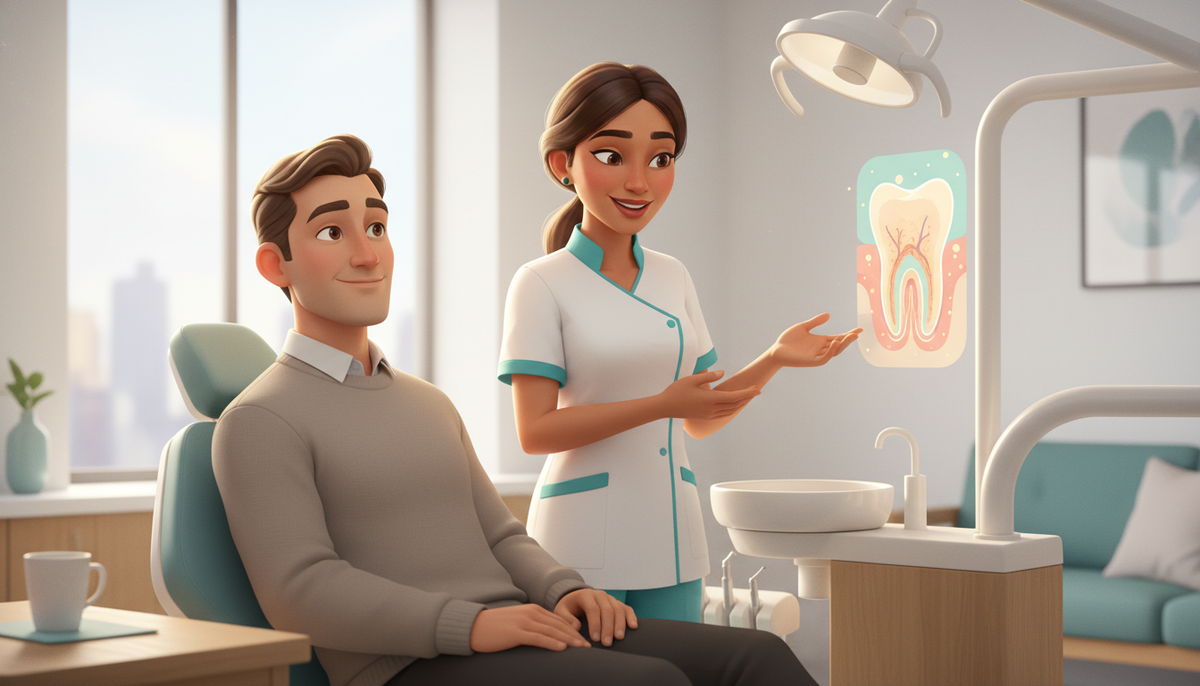
The Silent Erosion: Why I Fight for Your Foundation Through Scaling and Root Planing
Direct Answer
Scaling and root planing treats periodontal disease by removing hardened tartar and bacterial biofilms from deep below the gumline (scaling) and smoothing the tooth roots (planing). This dual process eliminates the source of infection, reduces pocket depths, and creates a biocompatible surface that allows gum tissue to reattach and heal.
When you sit in my chair, I know you’re usually thinking about the 'white stuff'—how bright your teeth look or whether that one coffee stain will ever fade. But as your clinician, I’m looking at something much more vital. I’m looking at the soil. You can build a mansion, but if it sits on shifting sand, the architecture eventually fails. In the world of dentistry, your gums and bone are that foundation. When I diagnose periodontitis, I’m essentially telling you that the ground is beginning to wash away. At that point, a standard, 'above-the-surface' cleaning is like mowing the lawn while the roots of the trees are rotting. That is why I rely on scaling and root planing; it is a primary non-surgical intervention used to stabilize the foundation and help preserve your natural teeth.
In our practice, we often see patients who are surprised by a periodontitis diagnosis because they haven't experienced any physical pain. We frequently observe that after the first round of scaling and root planing, patients report not only firmer, pinker gums but also a significant reduction in systemic fatigue, illustrating how treating local oral infections can reduce the body's overall inflammatory burden.
— Clinical Observation

The Stealthy Transition from Plaque to 'Concrete'
Gum disease is a quiet thief. It rarely screams in pain until it’s nearly too late. It starts with a film—a soft, sticky bacterial colony we call plaque. If you miss a spot with your brush, that plaque mingles with the minerals in your saliva and undergoes a chemical transformation. It hardens. It becomes calculus, or tartar. I often describe this to my patients as 'oral concrete.' You cannot brush it off. You cannot floss it away. Once it takes hold below the gumline, it becomes a porous skyscraper for bacteria that your body simply cannot tolerate.
I’ve seen the biological fallout firsthand. Your immune system sees these bacterial colonies as invaders and goes into a state of permanent 'red alert.' The resulting inflammation—gingivitis—is the first warning. But if the infection persists, the body does something radical: it begins to dissolve its own bone and tissue to get away from the bacteria. This creates deep, oxygen-deprived 'pockets.' This is the point of no return for home care. I have to go in and clear the path myself.
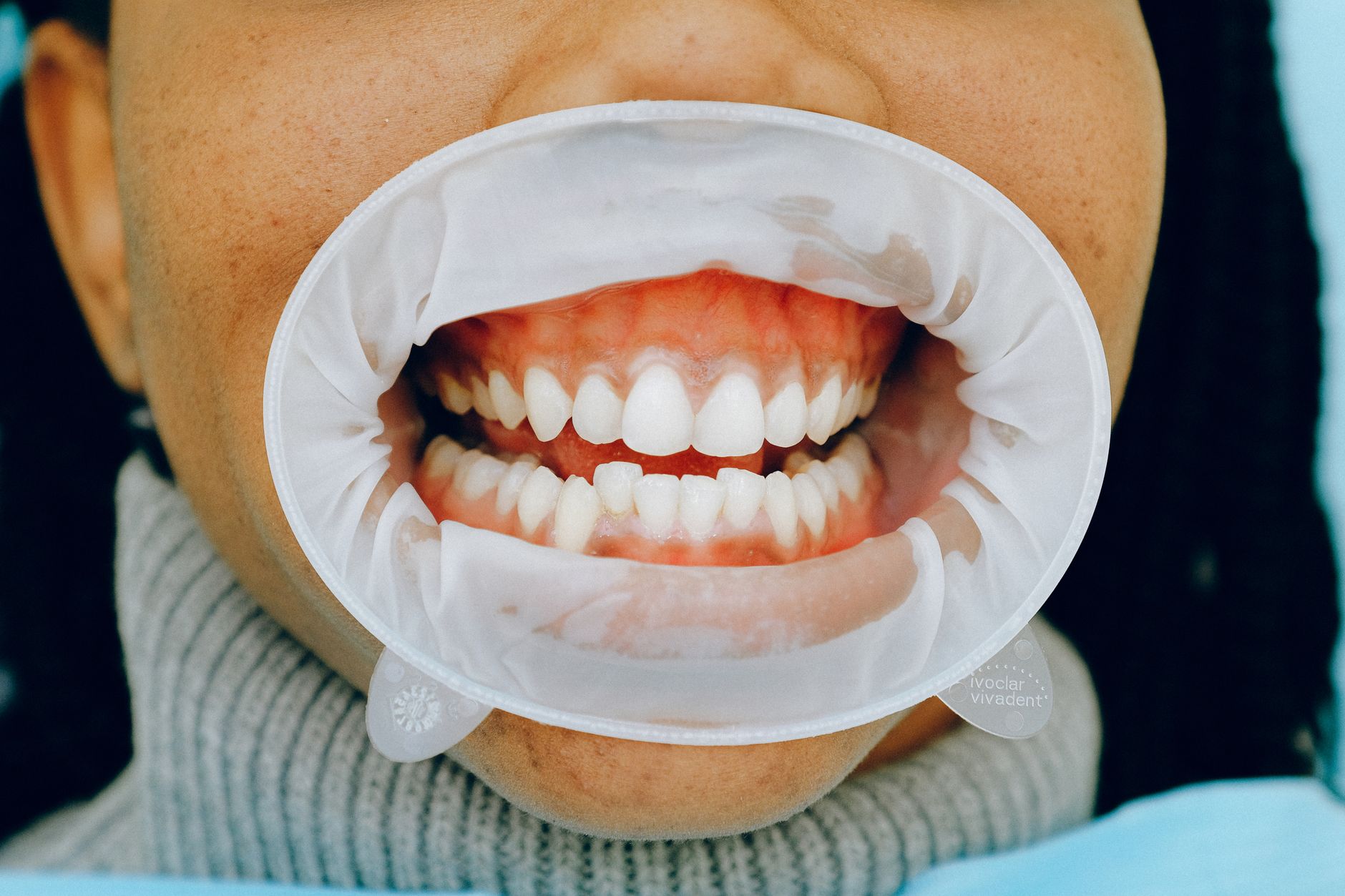
Scaling: My Precision Strike on Pathogens
When I perform scaling, I am hunting for the source of the fire. This isn't just a quick polish. It is a meticulous, deep-reaching process where I clear out the infection hiding in those periodontal pockets. To do this effectively, I use a dual-modality approach that I’ve found provides the best results for my patients.
I usually begin with an ultrasonic scaler. I love this technology because it uses high-frequency vibrations to literally shatter the calculus deposits. Simultaneously, a cooling mist flushes the area, disrupting the bacterial colonies and introducing oxygen—the one thing these specific bacteria hate most. Afterward, I transition to fine hand instruments. This is where my tactile sense comes in. I can feel the microscopic grit through the instrument, allowing me to ensure every last 'stowaway' piece of tartar is gone. By the time I’m done, we’ve essentially performed a biological reset of your oral environment.
Root Planing: Why Smooth Surfaces Save Smiles
If scaling is about removing the 'bad,' root planing is about cultivating the 'good.' The roots of your teeth are covered in a material called cementum, which is much softer than the enamel on top. When infection sets in, these roots become pitted, rough, and jagged—a perfect 'velcro' surface for new bacteria to latch onto. I tell my patients to think of root planing like a master carpenter sanding down a rough piece of timber to a glassy, smooth finish.
My objective here is biological reattachment. Your gums are resilient, but they cannot 'shrink-wrap' back onto a rough, infected root. By smoothing the surface, I am creating a 'biocompatible' zone. When the gums heal, they can finally seal tightly around the tooth again, closing those dangerous pockets and locking out future invaders. This is the moment where true healing begins.
Addressing the Anxiety: My Promise of Comfort
I’m not naive; I know the phrase 'deep cleaning' sounds intense. I’ve heard the worries. But I want you to know that modern dentistry has transformed this experience. In my practice, your comfort isn't just a courtesy—it’s a clinical requirement. I utilize sophisticated numbing protocols to ensure that the treatment site is completely desensitized.
For those who feel a genuine sense of dread, I offer various sedation options to help you reach a state of total calm. You might feel a dull vibration or a sense of pressure, but our goal is to make the procedure as comfortable as possible using modern anesthesia to minimize sensation. I approach this as a wellness procedure, not a mechanical chore. A patient who is relaxed heals faster and better, and I take that responsibility to heart.

The Heart-Mouth Connection: Looking at the Big Picture
I don't just treat teeth; I treat people. Your mouth is the gateway to your entire systemic health. When I see chronic gum infection, I see an open door for bacteria to enter your bloodstream. The scientific data is clear: research suggests a significant association between chronic periodontal inflammation and an increased risk of systemic conditions such as cardiovascular disease.
I also pay very close attention to my patients living with diabetes. It’s a vicious cycle—uncontrolled gum disease makes it harder for you to regulate your blood sugar, and high blood sugar makes your gums more susceptible to infection. When I perform scaling and root planing, I’m doing more than just cleaning teeth; I’m lowering the total inflammatory burden on your entire body. To me, this is about your longevity, not just your smile.

Recovery and the 'Shrink-Wrap' Effect
The days following the procedure are when the 'magic' happens. I always warn my patients that they might feel some temporary cold sensitivity. This is actually a positive sign! It means the heavy, insulating blanket of tartar is gone and the gums are beginning to settle. You’ll notice the tissue turning from a swollen, dusky red to a firm, healthy pink. That 'shrinkage' is exactly what we want—it’s the pockets closing up.
I’ll give you a specific 'home-care blueprint,' often involving an electric toothbrush or interdental tools tailored to your anatomy. We are a team. I do the heavy lifting in the office, and you maintain the perimeter at home.
Why 'Periodontal Maintenance' is a New Lifestyle
Here is the hard truth: periodontitis is a chronic condition, much like hypertension. Once you have lost bone, you are 'at-risk' for the rest of your life. This is why I transition my patients from 'six-month cleanings' to 'periodontal maintenance' every three to four months.
Why the 90-day window? Because that is how long it takes for the most aggressive, bone-destroying bacteria to rebuild their colonies. By intervening every three months, we execute a tactical strike that disrupts their lifecycle before they can do more damage. It’s the difference between a controlled environment and a chaotic one.
The True Value of Your Natural Smile
Scaling and root planing is, in my opinion, one of the single best investments you can make in your quality of life. From a financial standpoint, it is a fraction of the cost of dental implants or complex bridges. Keeping what nature gave you is always the superior option.
But the real reward is the confidence. I love the 'reveal' a few weeks after treatment—when a patient comes back with fresh breath, gums that don't bleed when they brush, and the peace of mind that their foundation is solid. If you’ve noticed your gums are tender or you see blood in the sink, don't wait for the pain. Let’s address it now and keep your smile exactly where it belongs.
Frequently Asked Questions
General
Is scaling and root planing painful?
Is scaling and root planing painful?
With modern numbing protocols and sedation options, the procedure is designed to be comfortable. Most patients feel only slight pressure or vibration during the treatment.
General
How often do I need periodontal maintenance after a deep cleaning?
How often do I need periodontal maintenance after a deep cleaning?
Typically, patients transition to a maintenance schedule every 3 to 4 months. This frequency is necessary to disrupt the lifecycle of aggressive bacteria before they can cause further bone loss.
General
Can gum disease affect my overall health?
Can gum disease affect my overall health?
Yes, there is a proven link between periodontal disease and systemic conditions like heart disease, stroke, and diabetes. Treating gum infection reduces the total inflammatory burden on your body.
Key Takeaways
- Scaling removes 'oral concrete' (calculus) from beneath the gumline where toothbrushes and floss cannot reach.
- Root planing smooths the root surfaces to prevent bacterial 'velcro' effects and facilitate gum tissue reattachment.
- Periodontal health is directly linked to systemic wellness, particularly in managing diabetes and heart health.
- Post-procedure sensitivity and 'gum shrinkage' are normal indicators that inflammation is resolving and pockets are closing.
- Maintenance every 3-4 months is clinically necessary to disrupt the 90-day regrowth cycle of aggressive periodontal bacteria.
Dr. Afshan Pervez
Lead Dental Surgeon & Aesthetician | BDS, RDS, Orthodontist
Dr. Afshan Pervez is the Lead Dental Surgeon and Aesthetician at The Teeth Clinic, with over 14 years of clinical experience. A BDS and RDS qualified Orthodontist, her extensive training includes an Integrated Masters from Portugal, Implant Dentistry from Hong Kong, and Dental Medicine from the USA. She specializes in surgery, endodontics, and aesthetic medicine, providing a holistic and expert approach to complex restorative and cosmetic dental care.
Last clinically reviewed: 05/04/2026