
The Sculptural Shift: My Philosophy on Medical-Grade Contouring and Biological Resilience
Direct Answer
Medical-grade facial contouring is a clinical discipline that restores facial harmony by addressing the underlying anatomical scaffolding—bone, muscle, and ligaments—rather than just the skin surface. By utilizing precise diagnostic mapping and regenerative biostimulators, it restores structural integrity and biological resilience, providing a more sustainable and natural-looking alternative to traditional superficial fillers.
I have spent the better part of fifteen years peering into the intricate architecture of the human face. In my clinical practice—a space where dentistry, orthodontics, and regenerative science collide—I’ve noticed a profound exhaustion with the "standardized" aesthetic. Patients are tired of the puffiness, the frozen expressions, and the uncanny valley of traditional fillers. I find myself steering a different ship. We are entering an era of medical-grade facial contouring, a discipline that prioritizes the internal scaffolding over superficial plumping. It is about the visceral reality of how bone, muscle, and skin interact in a living, breathing system.
In our practice, we often see patients suffering from 'filler fatigue' or a distorted 'over-filled' appearance caused by treating volume loss without addressing the skeletal foundation. In my experience, correcting the dental and jaw alignment first provides a natural lift that often necessitates significantly less injectable product, ensuring the patient's facial expressions remain fluid and authentic rather than frozen.
— Clinical Observation
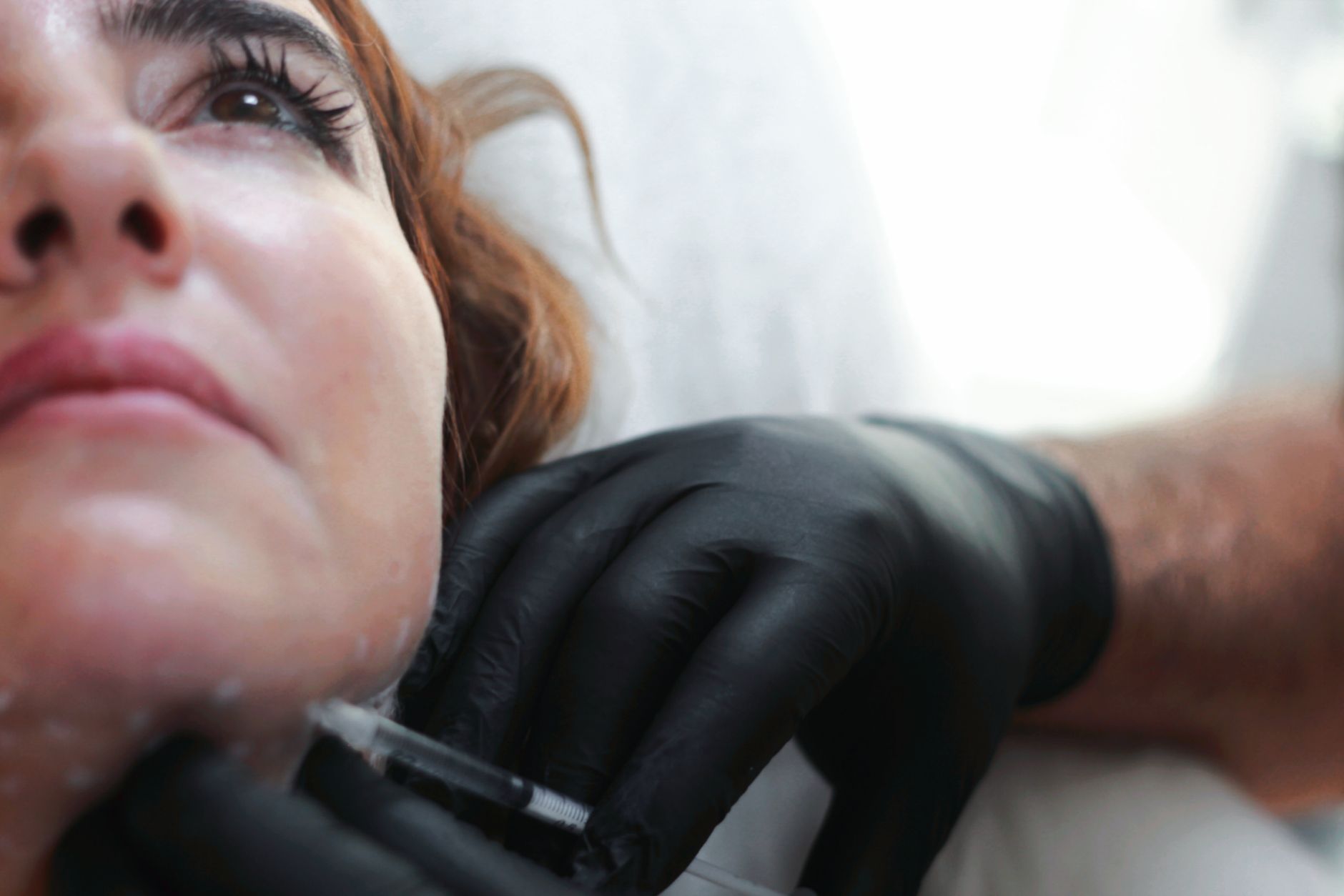
When I talk about contouring, I am not talking about shadows or light. I am talking about structural integrity. It is a three-dimensional puzzle. If you change one piece, the whole image shifts. To do this right, I must respect the biological cadence of the patient’s own tissue, ensuring that every intervention enhances the face’s natural movement rather than fighting against it. We are moving Beyond the Scalpel: A New Era of Advanced Anti-Aging Medical Aesthetics to achieve these results.
Clinical Depth: Why I Refuse to Treat the Surface Alone
The beauty industry has hijacked the word "contouring." They’ve turned it into a makeup trick. But in my world, medical-grade contouring is an anatomical deep-dive. It requires a level of precision that you simply cannot find outside a clinical setting. Why? Because the face is a minefield of neurovascular bundles and delicate ligaments. One wrong move doesn’t just look bad; it compromises function.
I rely on a foundation of craniofacial anatomy. When I intervene, I am looking at how a pharmaceutical-grade substance will integrate with the patient's unique biochemistry. We aren’t looking for a "quick fix" that disappears in six months. We are looking for a sustainable transformation. I use diagnostic precision to map out the facial landscape, ensuring that we are reinforcing the natural anchors of the face rather than creating artificial ones.
The Dental Pillar: My Secret to Sustaining the Mid-Face and Jawline
It surprises many of my patients when I start a facial assessment by looking at their teeth. But here is the truth: your teeth and jaw are the foundation of your entire facial profile. Think of it as the "scaffolding." If the foundation is crumbling, no amount of paint will save the house. The relationship between the maxilla and the mandible dictates the tension of the skin on the lower third of the face. This is the core principle behind Medical Skin Tightening for Jawline: A Regenerative Approach to Facial Architecture.
- Bone Density: As we age, we lose bone. This is where the "collapse" begins.
- Jaw Alignment: A recessed chin or an improper bite can lead to premature jowls.
- Structural Lift: By addressing the skeletal support first, I can often achieve a lift that dermal fillers alone could never replicate.

I’ve found that by optimizing the projection of the jaw, I can naturally smooth the neck and define the mandibular line. This is the synergy I live for—merging the mechanical precision of dentistry with the artistry of facial aesthetics.
The Rise of Bio-Contouring: PRF and the Power of Exosomes
I am moving away from synthetic "stuffing." The future, as I see it, is bio-contouring. We are now at a point where Use terms like 'rejuvenate,' 'structurally support,' or 'regenerate' to more accurately reflect the biological process of biostimulation. Platelet-Rich Fibrin (PRF) is a cornerstone of this. By processing a patient's own blood at specific speeds, I create a living scaffold. It doesn't just sit there; it communicates. It releases growth factors that tell the skin to wake up. Understanding the nuances of PRF vs PRP for Skin Aesthetics: The Expert Guide to Regenerative Beauty is essential for patients seeking these natural results.
Then, there are exosomes. These are the cellular messengers. When I introduce exosomes into the facial tissue, they facilitate a level of repair that was once the stuff of science fiction. We are talking about thickening the dermis and densifying collagen from the inside out. This isn't just about volume; it’s about cellular vitality. The result is a contour that looks alive, resilient, and unmistakably real.

Calibrating the Golden Ratio: The Art of Symmetry and Balance
I don't chase perfection; I chase balance. One of the most common errors I see in my field is the "top-heavy" look—over-filled cheeks paired with a weak jaw. It looks alien. I approach the face with a bird’s-eye view, obsessing over the transitions between the mid-face and the lower face. It’s about how light hits the cheekbones and flows into the mandibular edge.
I focus on vector-based lifting. By subtly restoring volume to the lateral mid-face, I can pull the tissue back to its original, youthful position. It’s a delicate calibration. I want my patients to look at themselves and see a version of their best self—rested, sharp, and architecturally sound—without ever looking like they’ve had "work" done.

Beyond the Immediate: The Long-Game Strategy of Biostimulators
While I understand the desire for instant results, I am a firm believer in the "slow burn" of biostimulators. Agents like poly-L-lactic acid don’t just fill space; they provoke the body into producing Type I collagen. I use these to "re-drape" the skin over the bone. It’s a sophisticated process that takes months to peak, but the longevity is unparalleled.
This is the preferred route for my high-end clientele. They want discretion. They want to look better every month without anyone being able to pinpoint why. By the time the substance is metabolized, it has left behind a reinforced network of the patient's own collagen. This is how we fight gravity over the long term.
Customized Topography: Every Face is a Unique Structural Puzzle
There is no "standard" injection map in my clinic. Every person I treat presents a different topographical challenge. Some lose bone; others lose fat; some have skin that thins like parchment. A cookie-cutter approach is a failure of imagination and clinical duty. I perform a dynamic assessment—watching how the face moves when the patient laughs, speaks, and frowns.
I look for the "anchor points" where the ligaments are strongest. By placing product or regenerative agents at these specific intersections, I can achieve maximum impact with minimal intervention. It’s a "less is more" philosophy that requires a "more is better" understanding of anatomy. We aren't changing the person; we are revealing the most structurally resilient version of them.

The Modern Recovery: High Impact, Zero Downtime
Add a disclaimer that recovery times are subjective and depend on the individual patient's healing response and the specific techniques employed. I utilize micro-cannulas—blunt-tipped, flexible instruments—to navigate the subcutaneous layers of the face. This minimizes trauma to the blood vessels. I’ve seen patients go back to their lives almost immediately, looking refreshed rather than recovered.
Because I often integrate PRF and other regenerative tools, the healing process is actually accelerated. My patients aren't just "getting through" the recovery; their bodies are actively rebuilding. This refined experience is the hallmark of modern, high-tier aesthetic medicine. It is as much about the process as it is about the final look.
The Vision: Aging as an Architectural Masterpiece
I believe the future of aging gracefully lies in cellular maintenance. We are moving past the era of "filling a line" and into the era of "optimizing the environment." This means a long-term commitment to bone density, internal health, and periodic biostimulation. It is a holistic approach to the face’s biological architecture.
In my hands, medical-grade facial contouring is invisible. It is felt in the way a patient carries themselves, the way their skin catches the light, and the way their features remain harmonized even as the years pass. The best work is the work that leaves no trace of the practitioner, only the enduring strength of the patient’s own beauty.
Frequently Asked Questions
General
Why does the article emphasize dental health as a foundation for facial contouring?
Why does the article emphasize dental health as a foundation for facial contouring?
The teeth and jaw serve as the essential 'scaffolding' for the entire facial profile. If bone density is lost or the jaw is misaligned, the lower face can appear to 'collapse' or develop premature jowls. By addressing skeletal support and dental alignment first, practitioners can achieve a structural lift that traditional fillers alone cannot replicate.
General
What is 'bio-contouring' and how does it differ from traditional dermal fillers?
What is 'bio-contouring' and how does it differ from traditional dermal fillers?
Unlike traditional fillers that use synthetic substances to add volume or 'stuff' the skin, bio-contouring utilizes the patient’s own biology. Tools like Platelet-Rich Fibrin (PRF) and exosomes act as cellular messengers that stimulate the body to rebuild its own tissue and densify collagen, resulting in a more resilient and natural-looking contour.
General
How do biostimulators like poly-L-lactic acid provide long-term results?
How do biostimulators like poly-L-lactic acid provide long-term results?
Biostimulators are considered a 'slow burn' strategy because they don't just fill space temporarily; they provoke the body into producing its own Type I collagen. While the process takes several months to peak, it leaves behind a reinforced network of the patient's own tissue, offering unparalleled longevity and a more discrete, natural transition.
General
What are the benefits of using micro-cannulas in medical-grade facial procedures?
What are the benefits of using micro-cannulas in medical-grade facial procedures?
Micro-cannulas are blunt-tipped, flexible instruments used to navigate the subcutaneous layers of the face with minimal trauma to blood vessels. This technique significantly reduces bruising and swelling, allowing for a 'high impact, zero downtime' recovery where patients can often return to their normal lives immediately.
General
What is 'vector-based lifting' in the context of facial symmetry?
What is 'vector-based lifting' in the context of facial symmetry?
Vector-based lifting is a precise technique that focuses on the transitions between facial features rather than just filling lines. By subtly restoring volume to specific 'anchor points' in the lateral mid-face, the tissue is pulled back to its original, youthful position, ensuring the face looks balanced and architecturally sound rather than 'top-heavy' or over-filled.
Key Takeaways
- Medical-grade contouring prioritizes deep structural integrity over superficial plumping for more natural, long-lasting results.
- The dental foundation and jaw alignment are critical components of facial architecture that dictate the success of lower-face contouring.
- Regenerative tools like Platelet-Rich Fibrin (PRF) and biostimulators use the body's own biochemistry to densify collagen and restore volume.
- A 'less is more' philosophy, focusing on precise anatomical anchor points, reduces the risk of the 'uncanny valley' effect common in traditional aesthetics.
- Modern techniques using micro-cannulas and regenerative agents aim to minimize physical trauma while accelerating the biological healing process.
Dr. Afshan Pervez
Lead Dental Surgeon & Aesthetician | BDS, RDS, Orthodontist
Dr. Afshan Pervez is a leading expert in Dentistry and Regenerative Aesthetics with over 15 years of clinical experience. Her practice sits at the unique intersection of craniofacial anatomy, orthodontics, and advanced aesthetic science. Specializing in biological resilience, Dr. Pervez is dedicated to achieving natural transformations by reinforcing the face’s internal architecture through cutting-edge regenerative techniques and structural precision.
Last reviewed: 13/04/2026