
My Perspective on the Modern Dental Paradigm
Direct Answer
Mini dental implants (MDIs) are a streamlined, minimally invasive alternative to traditional implants, specifically designed for patients with limited bone density or those seeking denture stabilization. Reviews typically highlight the rapid recovery time and significantly lower costs. While highly effective, their success depends on precise clinical placement and the patient's commitment to long-term hygiene and bite management.
I have spent years observing the frustrations of patients caught in the gears of traditional restorative dentistry. For a long time, the path to a complete smile was a grueling marathon. I saw people funneled into a system that demanded multiple invasive surgeries, months of "waiting for the bone to wake up," and the often-painful detour of bone grafting. While these methods are tried and true, they frequently felt like a relic of a slower era. Today, I am witnessing a profound transformation. My patients are no longer willing to sacrifice half a year to a dental chair; they are looking for sophisticated, efficient interventions that respect their time and their physical well-being.
In our practice, we often see patients who were previously told they were ineligible for dental implants due to severe atrophy of the alveolar ridge; mini dental implants frequently provide these individuals with a non-invasive path to stability, allowing us to anchor prosthetics into narrow bone structures that would otherwise require extensive and costly ridge augmentation or sinus lifts.
— Clinical Observation

In my view, the emergence of mini dental implants (MDIs) is the primary driver of this evolution. Unlike the bulky traditional screws that require significant jawbone real estate and a two-stage surgical dance, mini implants represent a sleek, streamlined alternative. I often call them the "immediate gratification" of the oral surgery world. I have watched individuals enter my office with missing teeth and often leave the same day with significantly improved aesthetics and a functional foundation for their restoration. This isn't just about cutting corners on time; it is a high-tech refinement of restorative mechanics that finally places the patient’s comfort on the same pedestal as the clinical result.
What I See When Analyzing Patient Feedback
When I dive into the mountains of data found in mini dental implants reviews, the narrative is remarkably consistent. The most glowing experiences typically hinge on three specific factors:
- Minimal Discomfort: Patients are frequently stunned by the lack of post-op pain.
- Rapid Results: The "teeth-in-a-day" promise is often fulfilled.
- Economic Accessibility: The lower price point opens doors that were previously bolted shut.

However, I also make it a point to look at the skeptics. Where does the friction come from? In my experience, dissatisfaction is almost always the result of a mismatch between expectations and clinical reality. If a patient is told that mini implants are a "universal panacea" without regard for their specific anatomy, trouble follows. I’ve noticed that reviews mentioning failure often involve improper placement or undiagnosed bruxism—teeth grinding that simply overpowers the smaller posts. I tell my patients: the technology is brilliant, but it isn't magic. Success requires a trifecta of smart tech, clinical precision, and patient compliance.
The Bone Density Myth: Why I Call It a "Luxury of Access"
One of the most heartbreaking things I used to encounter was telling a patient they weren't a candidate for implants because their jawbone had receded. For years, the only answer was an expensive, painful bone graft. This extra hurdle was a dealbreaker for many, either because of the cost or the sheer physical toll. This is where mini implants truly shine in my eyes.

They utilize what I call "clever biological mechanics." Because the post is so much narrower, I can anchor it into thin ridges of bone that would be utterly useless for a standard 4mm or 5mm screw. This makes MDIs a "luxury of accessibility" for seniors or those with health sensitivities. Instead of fighting the body’s natural state through aggressive grafting, we adapt the hardware to the existing anatomy. This "less is more" philosophy is transformative; it reduces the body’s inflammatory response, leading to a recovery that is often incredibly smooth.
My Observations on the "Day After"
What is the reality once the anesthesia wears off? I find that the first 48 hours for my MDI patients are remarkably quiet. While a traditional implant might require a cocktail of prescription painkillers and a steady rotation of ice packs, most people I treat often report manageable discomfort using standard post-operative protocols advised by their dental surgeon. The sensation is often described to me more as a "dull awareness" than a sharp surgical recovery.

The social readiness factor is perhaps the most impressive part. I’ve had patients go back to work or attend dinner parties the very next day. There is rarely any significant swelling or bruising to camouflage. The transition back to "real life" is nearly instantaneous. And then there is the food. While I advise soft foods for a few days, the goal is a rapid return to normalcy. I’ve seen the psychological boost that comes when a patient realizes they can finally bite into an apple or enjoy a steak without that nagging fear of a denture slipping.
Durability: Is "Mini" Just Temporary?
I often have to debunk the myth that these are "stop-gap" measures. Some critics suggest they won't go the distance, but the clinical data I track tells a different story. When we place them correctly and the patient maintains them, mini implants can last decades. They are made from the same biocompatible Grade 5 titanium as their larger cousins, and the biological process of osseointegration—where the bone fuses to the metal—is just as robust.
The secret to longevity lies in the distribution of force. In my practice, I focus heavily on bite alignment and how malocclusions affect function. We ensure the "load" of the bite is balanced so no single post is overwhelmed. Of course, hygiene is the non-negotiable anchor of success. Titanium doesn't decay, but the gums around it can still fail if neglected. I always tell my patients: book a dental hygiene appointment regularly to treat these like the premium investments they are, and they can provide exceptionally long-lasting results with proper clinical care and patient maintenance.
The Value Proposition: Why I Value Transparency
I find the pricing of mini dental implants to be a breath of fresh air in an often expensive industry. On average, they cost about 50% to 60% less than traditional systems. This isn't because the materials are "cheap"; it's because the process is efficient. You are paying for fewer hours in the chair, no grafting materials, and a more streamlined surgical protocol.
Choosing a Clinician: My Insider Advice
If you take anything away from my perspective, let it be this: the hands behind the drill matter more than the brand on the box. Mini implants are technique-sensitive. I believe a clinician must have a deep, intuitive understanding of jaw anatomy and force distribution to get this right.

When you are looking for a provider, I suggest you ask the tough questions. Don't settle for vague answers. Ask about their experience, their use of 3D imaging, and their long-term success rates. I always warn people to look out for "red flags"—any clinic promising 100% success or ignoring your specific health history is likely a volume-heavy "mill." You want a customized fit, not a one-size-fits-all solution.
Conclusion: Finding Your Path to Confidence
In the end, reclaiming your smile is about more than just teeth; it’s about reclaiming your humanity. It’s the freedom to laugh loudly, speak clearly, and eat without thinking. From where I sit, mini dental implants have successfully lowered the barrier to that freedom. They have taken the "fear factor" out of dental restoration and replaced it with a sophisticated, patient-centric alternative.
Frequently Asked Questions
General
Are mini dental implants as durable as traditional implants?
Are mini dental implants as durable as traditional implants?
Yes, when placed correctly and maintained with good oral hygiene, mini dental implants can last for decades. They are made from biocompatible Grade 5 titanium and undergo the same osseointegration process as traditional implants.
General
How much do mini dental implants cost compared to standard ones?
How much do mini dental implants cost compared to standard ones?
On average, mini dental implants cost about 50% to 60% less than traditional systems because the procedure is more efficient, requires fewer appointments, and often eliminates the need for expensive bone grafting.
General
Can I get mini dental implants if I have low bone density?
Can I get mini dental implants if I have low bone density?
Mini dental implants are specifically designed for patients with thinner bone ridges. Because the posts are narrower (usually under 3mm), they can often be placed without the need for a bone graft.
General
What is the recovery time for a mini dental implant procedure?
What is the recovery time for a mini dental implant procedure?
Recovery is remarkably fast. Most patients experience only mild discomfort for about 48 hours and can return to work or social activities the very next day.
Key Takeaways
- Mini dental implants offer a less invasive, faster alternative to traditional implants, often bypassing the need for bone grafts.
- They are a cost-effective solution, generally priced 50% to 60% lower than standard restorative implant systems.
- The procedure allows for a quicker recovery, with many patients returning to normal social activities within 24 to 48 hours.
- Long-term durability is comparable to traditional implants provided there is proper bite alignment and rigorous oral hygiene.
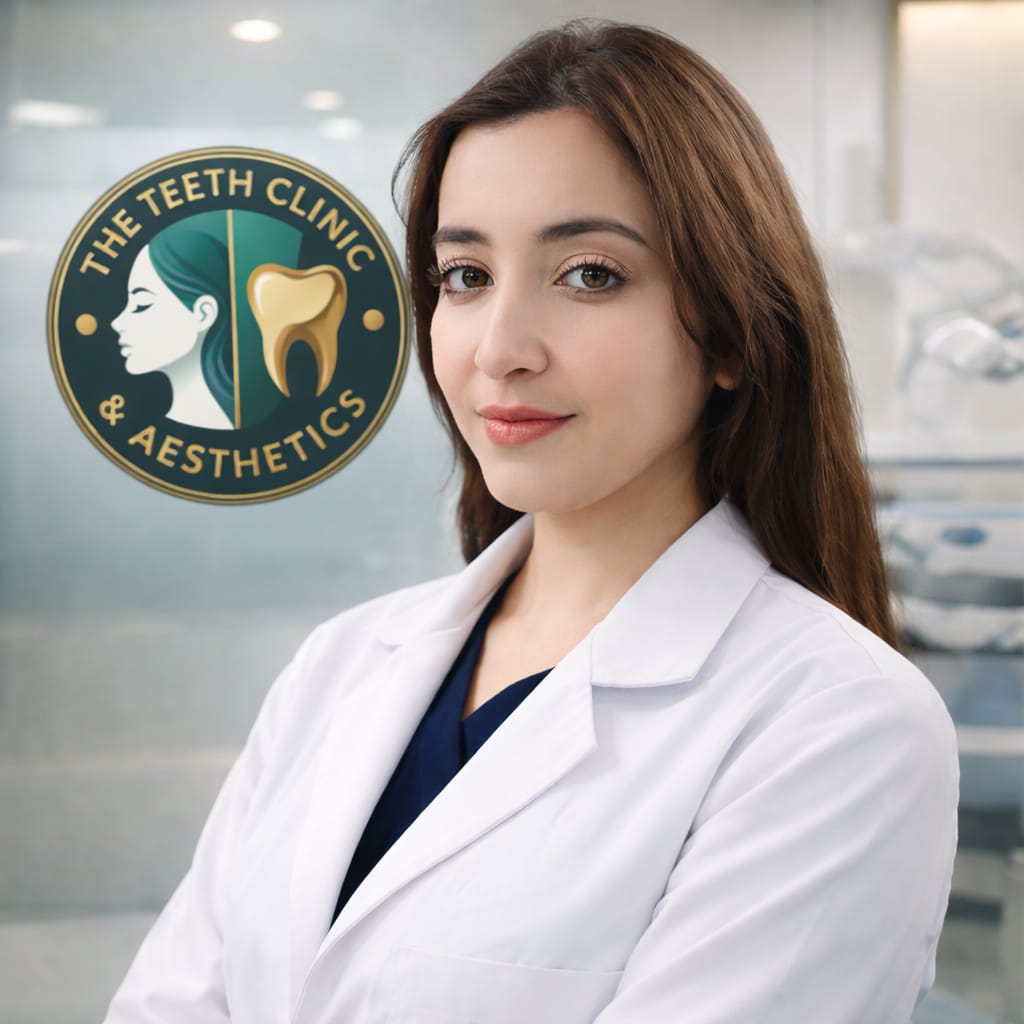
Dr. Afshan Pervez
Lead Dental Surgeon & Aesthetician | BDS, RDS, Orthodontist
Dr. Afshan Pervez is the Lead Dental Surgeon and Aesthetician at The Teeth Clinic with over 14 years of clinical experience. A holder of BDS, RDS, and Orthodontic credentials, she has completed advanced international training including an Integrated Masters in Portugal and specialized studies in Implant Dentistry in Hong Kong and Dental Medicine in the USA. Her expertise encompasses a broad spectrum of care including oral surgery, prosthodontics, and aesthetic medicine.
Last clinically reviewed: 03/04/2026