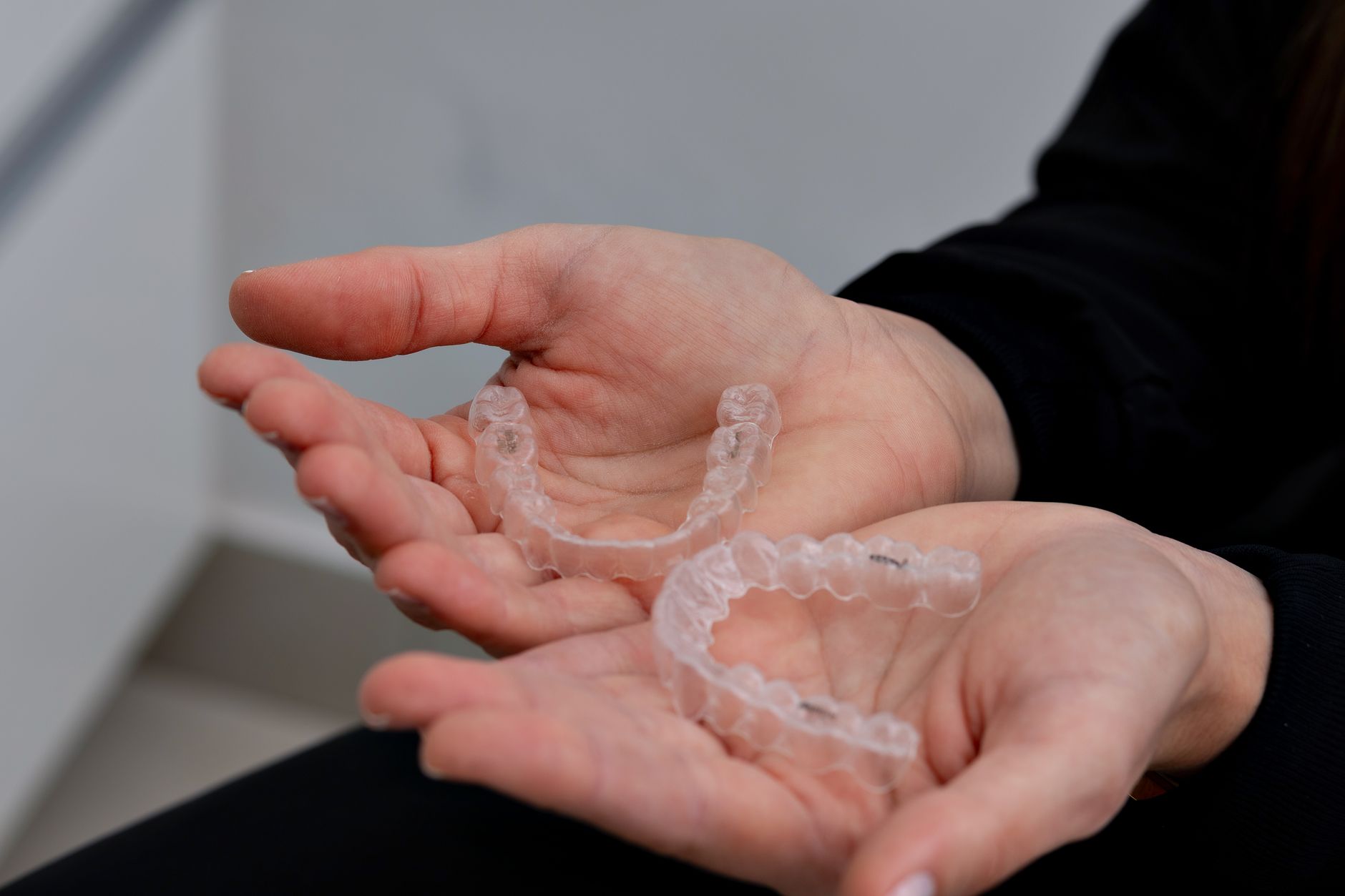
The Orthodontic Inheritance: Why I View Your Retainer as Vital
Direct Answer
Ordering a replacement Essix retainer involves identifying signs of wear—such as micro-cracks, discoloration, or a loose fit—and securing a new appliance via your orthodontist or a reputable lab-direct service. To prevent orthodontic relapse, you must initiate the replacement process within 48 hours of losing or breaking your current retainer.
I have often told my patients that a smile is much more than a cosmetic asset; it is an orthodontic inheritance, a hard-won legacy of discipline, time, and financial sacrifice. When I see someone lose or break their Essix retainer, I don't just see a missing piece of plastic. I see a ticking clock. My experience has taught me that the transition from a perfect alignment to a crowded "relapse" happens with a stealthy, quiet persistence. Ordering a replacement isn't a mere errand—it is the defensive strategy required to protect your dental future.
In our practice, we often see patients who believe their teeth are permanent fixtures, only to experience significant relapse within days of losing a retainer. This 'biological snapback' occurs because the periodontal ligaments are constantly remodeling; without the rigid support of an Essix appliance, teeth naturally gravitate toward their original, misaligned positions, often requiring costly re-treatment.
— Clinical Observation

The 48-Hour Biological Deadline
Teeth are surprisingly restless. I find that many people mistakenly believe their teeth are bolted into the jawbone like pillars. In reality, they are suspended by periodontal ligaments—living tissues with an incredibly stubborn "memory." I’ve witnessed micro-shifts occurring in as little as two days. This is what I call the 48-hour window. If you leave your teeth unsupported beyond this point, those ligaments begin their slow, inevitable march back to their original, crooked positions.
I’ve seen the frustration of patients who waited weeks to replace a cracked retainer, only to find that their new one feels like a torture device because their teeth have already drifted. By staying ahead of this "biological snapback," you avoid the catastrophic expense of a second round of braces. To me, a replacement retainer is the most logical insurance policy you could ever purchase for your face. Understanding the retainers after braces cost is nothing compared to the cost of re-treatment.

I Look for These Warning Signs: When to Retire Your Retainer
I frequently advise against waiting for a total structural failure. If your retainer has snapped into two pieces, you’re already behind the curve. Instead, I tell people to look for the subtle whispers of wear. It starts with a slight "haze" or cloudiness in the material. These are micro-fissures—tiny cracks that act as structural weak points and, quite frankly, as microscopic hotels for bacteria that no amount of scrubbing can reach.
I prioritize these three indicators of failure:- The "Limp" Fit: If I can flick my retainer off my teeth with just my tongue, it has lost its "grip." If it doesn't snap into place, it isn't moving or holding anything.
- The Yellowing Horizon: Medical-grade polymers are porous. When they start to discolor or hold an odor despite deep cleaning, the material's integrity is compromised.
- Calcified Roughness: I often see tartar buildup on old retainers that irritates the gums. This isn't just a cleaning issue; it’s a sign the plastic is degrading.

The Shift: Why I Now Trust At-Home Impression Kits
Years ago, I would have insisted that you must sit in a dental chair, endure a mouthful of cold, gooey alginate, and pay a massive clinical markup for a replacement. But the landscape has shifted. I’ve seen the data on 3D dental technology, and it is impressive. Modern at-home impression kits use the same high-viscosity, medical-grade putty that I used in my own clinic for years.
For the busy professional, the convenience of taking a mold at their own kitchen table is a game-changer. When you mail that mold to a specialized boutique lab, they use digital scanning to create a 3D model of your teeth with micron-level accuracy. While lab-direct technology has advanced, clinical oversight remains essential for patients with complex orthodontic histories or active dental issues., provided you use a service that employs actual dental technicians to oversee the process. You’re essentially cutting out the "orthodontic tax" of the waiting room. If you are unsure about the process, understanding what is the difference between a general dentist and an orthodontist can help you appreciate the specialized lab work involved.

My Take on the Financials: Price vs. Real Value
I am often asked why some retainers cost $500 while others cost $150. In my view, the $500 price tag usually pays for the office’s rent, insurance, and front-desk staff. It doesn't necessarily mean the plastic is superior. However, I caution against the "bargain-basement" options. If a retainer is suspiciously cheap, it’s likely made from a thinner, generic co-polyester that will warp under the heat of your breath within a month.
I always suggest purchasing "multi-packs." Since the most difficult part of the process is making the initial impression, ordering two or three sets at once is the smartest move. I’ve found that having a backup tucked away in a travel bag or a bedside drawer completely eliminates the panic of the 48-hour window if your primary set disappears.
The Logistics: How I Recommend You Navigate the Order
The process I recommend is straightforward but requires attention to detail. Once your kit arrives, don't rush the impression. I tell everyone to watch the instructional videos at least twice. You need to capture the "gingival margin"—that’s the line where your teeth meet your gums. If you don't get that crisp line, the retainer won't have the leverage to hold your teeth in place.
Once you ship your impressions back, the lab typically takes about two weeks to thermoform your custom Essix appliance. If your retainer breaks, stop wearing it immediately and contact a dental professional or order a replacement to ensure a safe, precise fit. If you have nothing, I tell my patients to avoid chewing on excessively hard ice or candies, which can accelerate the shifting of the teeth or cause a cracked tooth while they wait for the mail to arrive.
Why I Still Advocate for Essix Materials
I’ve looked at many materials, from the old-school metal-and-acrylic Hawley retainers to the newer Vivera systems. For me, Essix remains the gold standard for daily use. It offers a perfect marriage of transparency and rigidity. I appreciate that Essix polymers are engineered to be "invisible" while maintaining a high modulus of elasticity. This means they are stiff enough to fight back against your moving teeth but thin enough that you won't sound like you're speaking with a mouthful of marbles. Furthermore, I only recommend BPA-free and phthalate-free materials; you are wearing this for eight hours a day, so chemical purity is non-negotiable.
My Preservation Protocol: Making It Last
I have seen more retainers destroyed by "good intentions" than by accidents. Please, never use boiling water to sanitize your retainer. I’ve watched $400 investments turn into melted blobs of plastic in seconds. Essix is a thermoplastic; it is designed to be molded by heat. Use only cool or lukewarm water.
I also tell my patients to throw away their toothpaste when it comes to cleaning the retainer. Toothpaste is an abrasive—it’s designed to scrub bone-hard enamel. On soft plastic, it creates thousands of tiny scratches that turn the retainer cloudy and trap foul-smelling bacteria. I use non-abrasive, oxygenating tablets or simple mild dish soap. And my number one rule? If it’s not in your face, it’s in the case. I cannot tell you how many retainers I’ve seen eaten by dogs or thrown away in restaurant napkins. Proper hygiene is as important as knowing how to remove plaque from teeth safely.
The Final Word on Your Smile’s Future
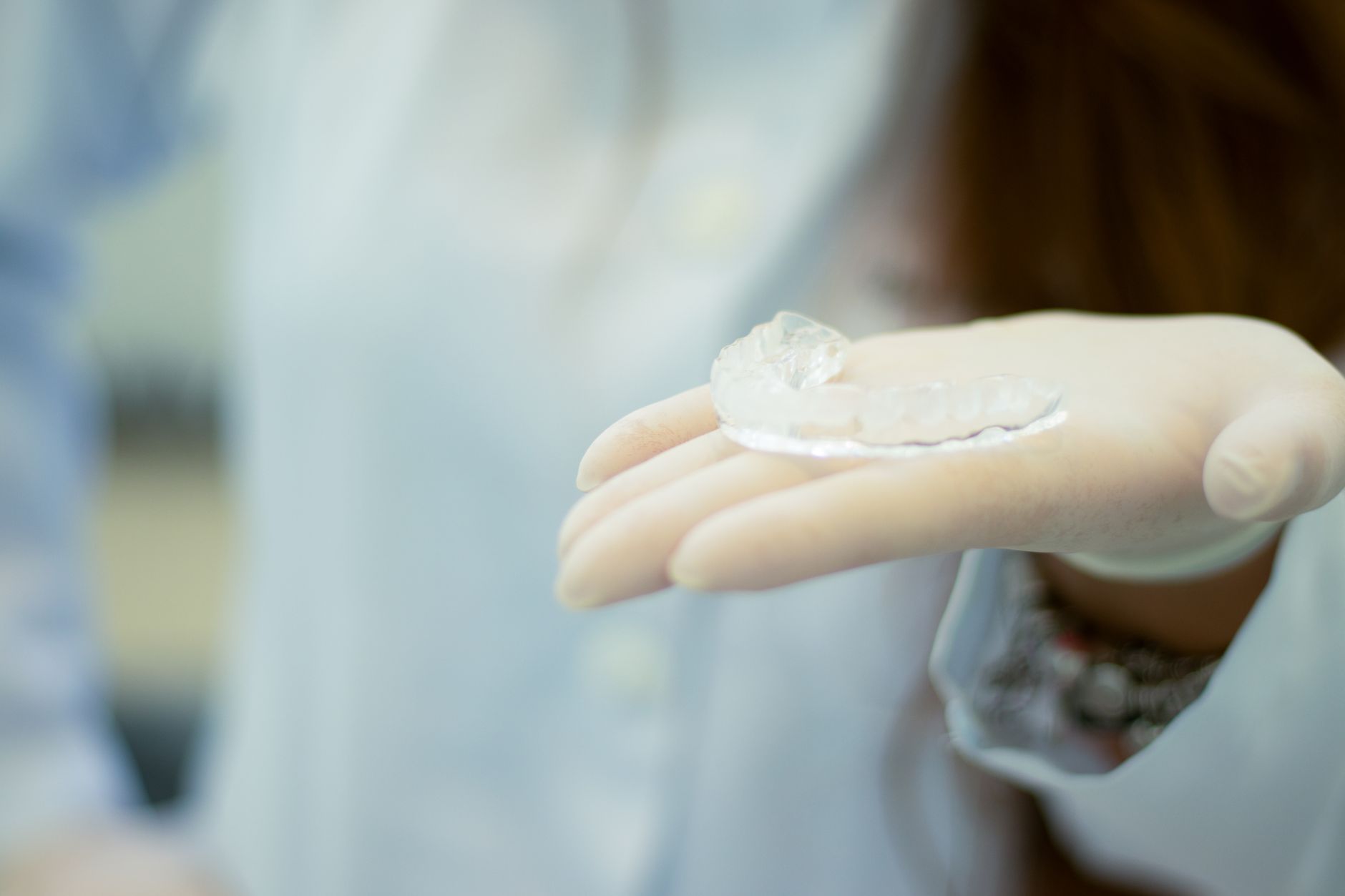
Maintaining your smile shouldn't feel like a burden or a medical mystery. I believe that by taking control of the replacement process through modern, lab-direct channels, you are being a proactive steward of your own health. You've already done the hard work of orthodontic treatment. Don't let a lost piece of plastic undo years of progress. My advice is simple: recognize the wear, respect the biology of your teeth, and secure your replacement before the shift begins.
Frequently Asked Questions
General
How long can I go without wearing my Essix retainer?
How long can I go without wearing my Essix retainer?
Teeth can begin to shift in as little as 48 hours due to the memory of periodontal ligaments. It is critical to secure a replacement immediately to avoid orthodontic relapse.
General
Are at-home impression kits as accurate as dental office molds?
Are at-home impression kits as accurate as dental office molds?
Yes, modern at-home kits use medical-grade putty and 3D digital scanning technology that provides micron-level accuracy, often matching the quality of office-made retainers.
General
When should I replace my Essix retainer?
When should I replace my Essix retainer?
You should replace your retainer if it feels loose, shows significant yellowing or cloudiness, has visible cracks, or has accumulated calcified tartar that cannot be cleaned.
General
Can I use toothpaste to clean my clear retainer?
Can I use toothpaste to clean my clear retainer?
No, toothpaste is abrasive and creates micro-scratches that trap bacteria and make the plastic cloudy. Use mild dish soap or specialized oxygenating cleaning tablets instead.
Key Takeaways
- Act within 48 hours of losing or breaking a retainer to prevent tooth movement.
- Replace retainers showing micro-fissures or cloudiness, as these harbor bacteria and indicate material fatigue.
- Modern lab-direct services use 3D scanning and medical-grade polymers comparable to clinical standards.
- Never use boiling water or abrasive toothpaste, as they compromise the thermoplastic integrity of Essix materials.
- Ordering multi-packs provides a critical insurance policy against the panic of a lost primary retainer.
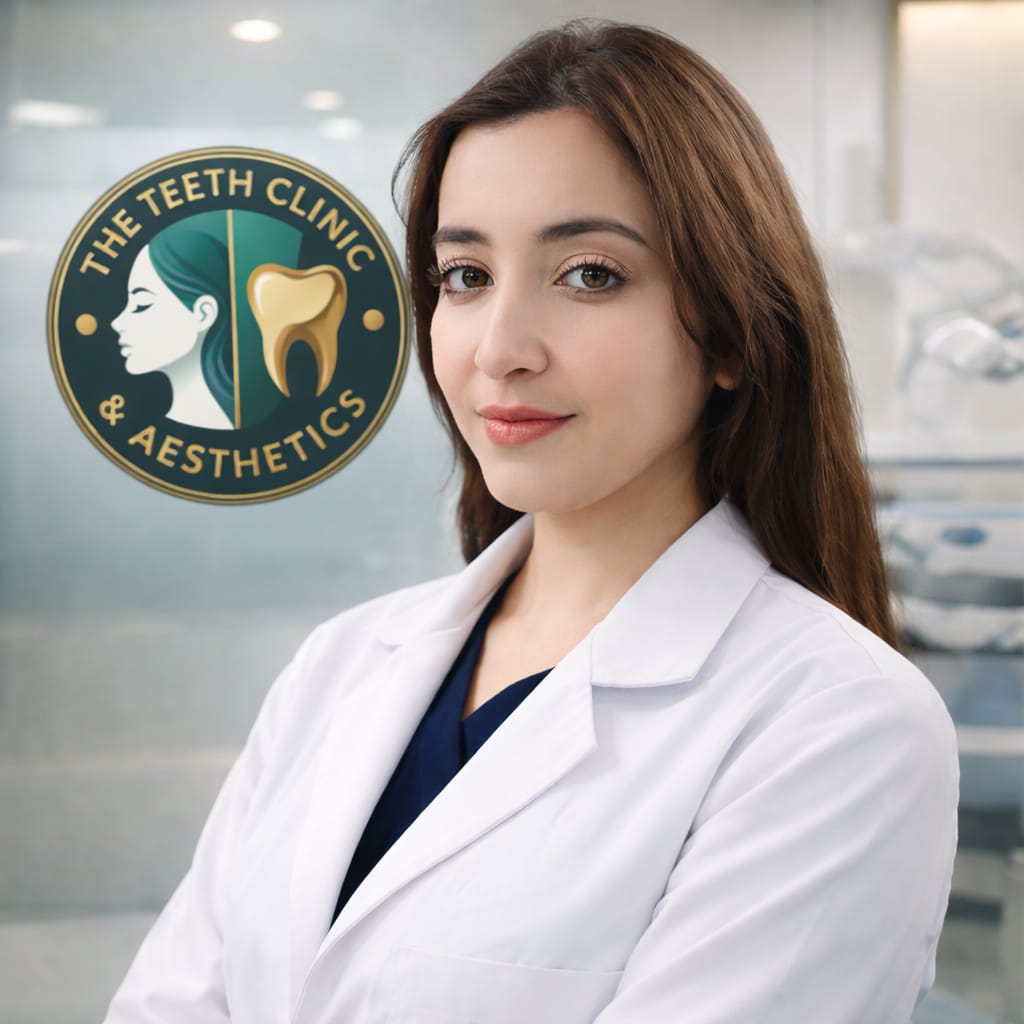
Dr. Afshan Pervez
Lead Dental Surgeon & Aesthetician | BDS, RDS, Orthodontist
Dr. Afshan Pervez is the Lead Dental Surgeon and Aesthetician at The Teeth Clinic, with over 14 years of clinical experience. A BDS and RDS qualified Orthodontist, her extensive education includes an Integrated Masters from Portugal and advanced training in Implant Dentistry (Hong Kong) and Dental Medicine (USA). She specializes in complex surgery, endodontics, and aesthetic medicine, ensuring high-standard clinical care across multiple dental disciplines.
Last clinically reviewed: 02/04/2026