
receding gums treatment options
Direct Answer
A healthy, vibrant smile is often considered one of our most defining features. However, when the delicate pink tissue surrounding your teeth begins to pull back, it does more than just alter your appearance. Gum recession is a sophisticated clinical challenge that requires an equally sophisticated response. As a practitioner with over 15 years in dentistry and regenerative aesthetics, I have seen firsthand how receding gums can impact both oral health and self-confidence. Understanding receding gums treatment options is the first step toward restoring the harmony between your teeth and their supportive structures.
— Clinical Observation

Recession is often a silent process. You might notice a slight sensitivity to cold water or realize that a particular tooth looks "longer" than its neighbors. Because the process is gradual, many patients do not seek intervention until the underlying root surface is exposed. At this stage, the protective enamel is absent, leaving the tooth vulnerable to decay and further bone loss. My approach, and the approach we take within the realm of high-end restorative care, is to look beyond the surface. We view gum health as the foundation of a lifestyle focused on longevity and aesthetic excellence.
The Architecture of Recession: Why It Happens
Before we explore receding gums treatment options, we must address the "why." Gum recession is rarely the result of a single factor. It is often a combination of genetics, lifestyle habits, and mechanical forces. Periodontal disease remains a primary culprit, where bacteria destroy the attachment fibers holding the gums to the bone. However, we also see significant recession in patients with impeccable hygiene who may be brushing too aggressively or using a hard-bristled brush.
Orthodontic history and tooth positioning also play a critical role. If a tooth is tilted or positioned too far forward in the jawbone, the overlying gum tissue is naturally thinner and more prone to wear. Furthermore, functional issues like bruxism and teeth grinding put immense pressure on the gingival margins. Identifying these root causes allows us to tailor a treatment plan that doesn't just fix the current recession but prevents its recurrence.

Non-Surgical Interventions: Scaling and Root Planing
In the early stages of gum recession, particularly when caused by the progression from gingivitis vs. periodontitis, our first line of defense is a deep clinical cleaning known as scaling and root planing. This is not your standard dental hygiene appointment. We meticulously remove plaque and tartar from below the gum line, smoothing the root surfaces to discourage bacterial colonization.
For many patients, this allows the gum tissue to reattach more firmly to the clean tooth surface. When combined with refined home care techniques—such as switching to an ultrasonic toothbrush and utilizing specific interdental cleaners—scaling and root planing can stabilize the recession. However, if the tissue has already migrated significantly, we must look toward regenerative and surgical receding gums treatment options to restore the lost volume.

Regenerative Aesthetics: The Power of PRF and Exosomes
This is where modern dentistry intersects with the cutting edge of regenerative medicine. In my practice, we are moving away from simply "patching" problems and instead focusing on biological restoration. Platelet-Rich Fibrin (PRF) and Exosomes represent a paradigm shift in how we treat gum recession. These treatments utilize the body’s own signaling molecules to accelerate healing and tissue growth.
Platelet-Rich Fibrin (PRF): By drawing a small sample of the patient's blood and processing it in a specialized centrifuge, we create a concentrated fibrin clot rich in growth factors and white blood cells. When we place this PRF membrane into the recession site during a procedure, it acts as a bioactive scaffold. It doesn't just sit there; it actively "talks" to your cells, telling them to produce more collagen and new blood vessels. This results in thicker, more resilient gum tissue, utilizing the PRF dental healing process to ensure a high-end standard for oral recovery.
Exosomes: These are the newest frontier in regenerative aesthetics. Exosomes are extracellular vesicles that carry proteins and genetic information between cells. When applied to delicate gingival tissues, they provide the necessary instructions for rapid cellular repair. For patients seeking the highest level of care with minimal downtime, incorporating exosomes into receding gums treatment options offers a truly high-end, biological solution.

Surgical Restoration: The Pinhole Surgical Technique
For patients who wish to avoid traditional "cut and sew" surgery, the Pinhole Surgical Technique (PST) is a revolutionary lifestyle-oriented option. Traditionally, treating gum recession required harvesting tissue from the roof of the mouth and grafting it onto the affected area. This often led to discomfort at two different surgical sites.
With the Pinhole technique, we use a tiny needle to make a small entry point in the existing gum tissue. Through this "pinhole," specialized instruments are used to gently loosen the tissue and slide it down over the exposed root. We then place collagen strips to hold the tissue in place while it heals. There are no scalpels and no sutures. The recovery is remarkably fast, often allowing patients to return to their normal social schedules the following day. It is an elegant, minimally invasive solution that aligns perfectly with a modern, busy lifestyle.
Traditional Gum Grafting: A Time-Tested Foundation
While minimally invasive techniques are often preferred, traditional gum grafting remains a gold standard for specific, complex cases. When we need to build a significant amount of "keratinized" or tough gum tissue, grafting is often the most predictable path. There are three primary types of grafts we utilize:
- Connective Tissue Grafts: The most common method, where tissue is taken from under a flap on the roof of the mouth and stitched to the recession site. This is excellent for root coverage and aesthetic blending.
- Free Gingival Grafts: Similar to connective tissue grafts, but the tissue is taken directly from the surface of the palate. This is often used for patients with very thin gums who need extra thickness to prevent further recession.
- Pedicle Grafts: In this instance, we use tissue from the gums near the tooth being treated. A flap is partially cut and pulled over the recession, keeping its blood supply intact.

The Role of Orthodontics in Gingival Health
It may seem counterintuitive, but sometimes the best treatment for receding gums involves moving the teeth. Malocclusion, or a "bad bite," can create "abfraction" lesions—small notches at the gum line caused by the tooth flexing under uneven pressure. By leveraging high-end orthodontics for adults to reposition the teeth into their ideal biological housing, we can often stop the progression of recession.
In our practice, we often combine orthodontics with regenerative therapies. Aligning the teeth ensures that the forces of chewing are distributed evenly, which protects the newly restored gum tissue from future trauma. This holistic view of the mouth as a functional system is what differentiates expert-led care from standard clinical treatments.
Lifestyle and Maintenance: Protecting Your Investment
Once we have successfully navigated receding gums treatment options and restored your smile, the focus shifts to maintenance. Gum tissue, even when surgically or regeneratively enhanced, requires a gentle touch. We educate our patients on the "modified Bass" brushing technique—a soft, circular motion that cleans effectively without abrading the tissue.
Dietary choices and systemic health also play a role. Vitamin C and collagen-rich foods support the integrity of the gingival fibers. Furthermore, addressing systemic inflammation through wellness practices can improve the long-term prognosis of your periodontal health. We view the maintenance phase not as a chore, but as an essential part of a refined self-care routine.
Closing Thoughts on Gingival Restoration
Gum recession is more than a cosmetic flaw; it is a signal that the protective balance of your mouth has been disrupted. Whether through the sophisticated application of PRF and exosomes or the precise artistry of the Pinhole Surgical Technique, the options available today are more effective and comfortable than ever before. If you have noticed your gums changing, I encourage you to seek a consultation with a specialist who understands the intersection of clinical excellence and regenerative medicine.
Your smile deserves a foundation that is as strong as it is beautiful. By choosing the right receding gums treatment options, we are not just covering roots; we are preserving your oral health for the decades to come. As Dr. Afshan Pervez, my goal is always to provide a path to restoration that is empathetic to your needs and grounded in the latest scientific advancements.
Frequently Asked Questions
General
Can receding gums grow back naturally without professional treatment?
Can receding gums grow back naturally without professional treatment?
No, gum tissue does not regenerate or grow back on its own once it has receded. While non-surgical treatments like scaling and root planing can help stabilize the area and promote tissue reattachment in early stages, significant recession usually requires restorative interventions such as the Pinhole Surgical Technique, gum grafting, or regenerative therapies like PRF to restore lost volume.
General
What is the Pinhole Surgical Technique and how does it differ from traditional grafting?
What is the Pinhole Surgical Technique and how does it differ from traditional grafting?
The Pinhole Surgical Technique (PST) is a minimally invasive alternative to traditional gum grafting that involves no scalpels or sutures. A dentist creates a tiny entry point in the existing gum tissue and uses specialized instruments to gently slide the tissue over the exposed root. Unlike traditional grafting, which often requires harvesting tissue from the roof of the mouth, PST offers faster recovery and allows many patients to return to normal activities the next day.
General
How do regenerative treatments like PRF and Exosomes help with gum recession?
How do regenerative treatments like PRF and Exosomes help with gum recession?
These treatments represent the cutting edge of regenerative medicine by using the body’s own biological signals to heal. Platelet-Rich Fibrin (PRF) uses growth factors from the patient's own blood to create a bioactive scaffold that stimulates collagen production. Exosomes provide cellular instructions for rapid repair. Together, they help create thicker, more resilient gum tissue and enhance the overall success of surgical restoration.
General
Is it possible to stop gum recession from getting worse without surgery?
Is it possible to stop gum recession from getting worse without surgery?
Yes, if caught early, gum recession can often be stabilized through non-surgical means. This includes scaling and root planing to remove bacterial buildup, switching to a soft-bristled or ultrasonic toothbrush to prevent mechanical wear, and addressing underlying causes like teeth grinding (bruxism) or tooth misalignment through orthodontics. However, once the root surface is exposed, surgical or regenerative options may be necessary to protect the tooth from decay.
General
Can orthodontics help treat or prevent receding gums?
Can orthodontics help treat or prevent receding gums?
In many cases, yes. If teeth are tilted or misaligned, they can create uneven pressure and 'abfraction' lesions that cause the gum tissue to thin and recede. Repositioning the teeth into their ideal biological housing through high-end orthodontics can distribute chewing forces evenly, which stops the progression of recession and protects the foundation for any subsequent gum restoration treatments.
Key Takeaways
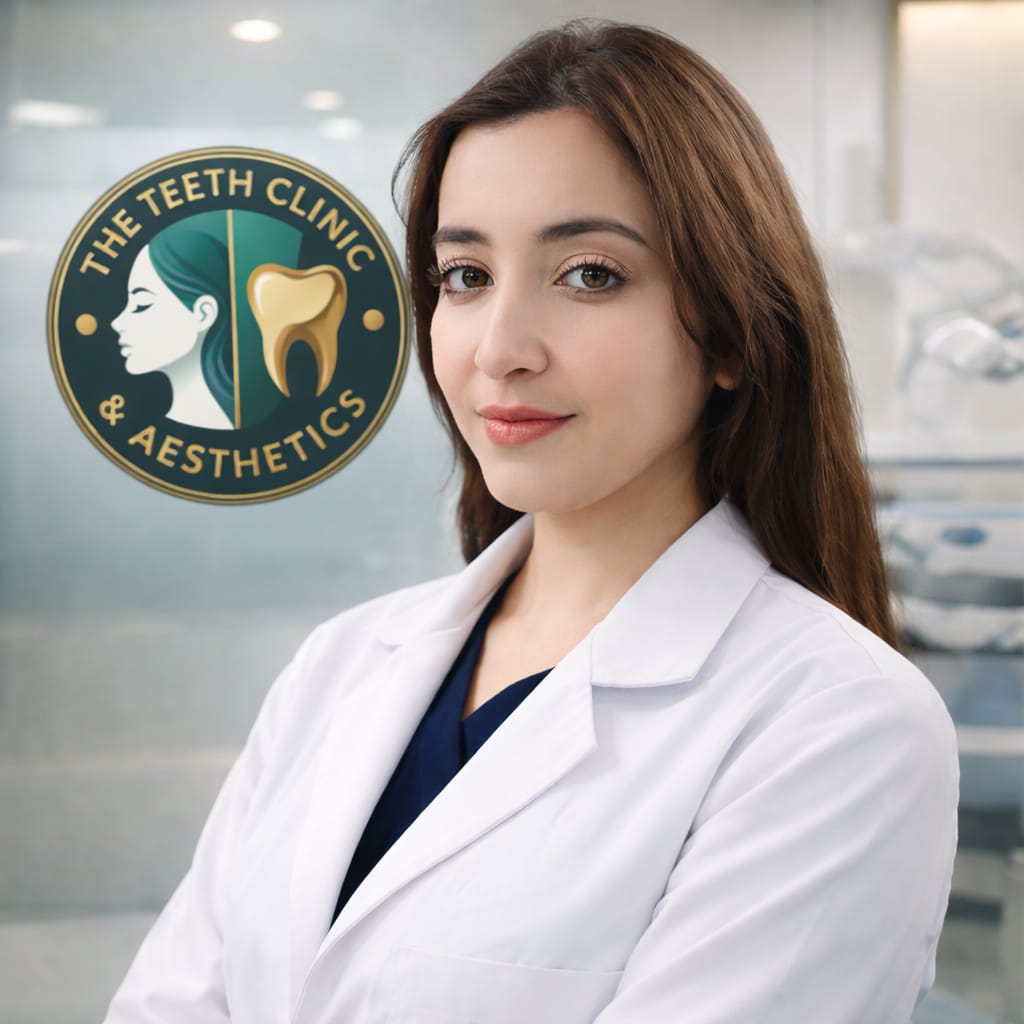
Dr. Afshan Pervez
Lead Dental Surgeon & Aesthetician | BDS, RDS, Orthodontist
Last reviewed: 20/04/2026