
The Shift Toward Cellular Integrity: My Journey with Polynucleotides
Direct Answer
The science of polynucleotide rejuvenation utilizes purified DNA fragments to stimulate cellular repair via adenosine A2A receptors. Unlike dermal fillers that provide temporary volume, polynucleotides act as bio-stimulators that activate fibroblasts to produce high-quality Type I collagen, enhance micro-circulation, and neutralize free radicals, effectively teaching the skin to regenerate its own structural scaffolding at a molecular level.

I have spent the last fifteen years operating at the delicate intersection of clinical dentistry and regenerative aesthetics. In that time, I’ve watched the industry flip on its head. We’ve moved past the era of the "over-stuffed" face—those static, pillowy features that screamed of over-intervention—and toward something far more elegant: cellular health. For me, the science of polynucleotide rejuvenation isn’t just another line on a treatment menu. It represents a visceral shift toward Non-Toxic Aesthetic Medicine: The Future of Regenerative Beauty. We are no longer just masking the passage of time; we are actively teaching the skin to repair its own biological scaffolding.
In our practice, we often see a distinct shift in patient satisfaction when moving from passive hydration treatments to active polynucleotide protocols. We have observed that patients with 'crepy' skin or chronic under-eye hollows—who previously struggled with the 'Tyndall effect' from traditional fillers—experience a visible thickening of the dermal layer and improved light reflex after their second session. The results appear more organic because they rely on the patient's own biological upregulation rather than exogenous material.
— Clinical Observation
When I talk to my patients about the science of polynucleotide rejuvenation, I emphasize that this is bio-stimulation in its most honest form. These aren't fillers. I’m not injecting an exogenous gel to create a temporary plump or fake volume. Instead, I am introducing molecular signals. These signals act as a wake-up call for tired cells, instructing them to function with the vigor they had a decade ago. This is the nitty-gritty of regenerative medicine, applied in a clinical setting.
Decoding the Molecular Blueprint

To really grasp why I’m so backing this technology, you have to look at the molecules. Polynucleotides are essentially long-chain fractions of DNA. We typically source them from salmon or trout germ cells—not out of novelty, but because the biocompatibility with human DNA is staggering. These fragments are purified to an extreme degree, stripped of proteins that could cause a reaction, and suspended in a sterile solution.
The real magic—the "how" of the science of polynucleotide rejuvenation—is the fibroblast. I often call fibroblasts the "workhorse" cells. They build our collagen, our elastin, and our natural hyaluronic acid. But as we age? They get sluggish. They stop listening. Polynucleotides act as the ultimate catalyst. By engaging with specific adenosine A2A receptors on the cell surface, they trigger a cascade of internal events. The result? I see an uptick in Type I collagen. This is the high-quality, structural collagen of youth, not the chaotic, low-quality Type III collagen we see in scar tissue.
A Three-Pronged Attack: How It Actually Works
In my practice, I explain the science of polynucleotide rejuvenation through three specific actions:
- Endogenous Hydration: Polynucleotides are incredibly hydrophilic. They love water. Unlike some hyaluronic acid boosters that can cause localized "puffiness," these molecules provide a nuanced, internal hydration. It improves skin turgor without altering the patient's natural facial contours.
- Free Radical Neutralization: Our skin is under constant siege. UV rays and pollution create reactive oxygen species (ROS) that shred our dermal matrix. I view polynucleotides as a "sacrificial shield." They scavenge these free radicals, neutralizing them before they can damage the existing collagen I’ve worked so hard to help the patient maintain.
- Angiogenesis and Micro-Circulation: This is what gets me excited as a clinician. These DNA fractions promote the growth of new, healthy micro-capillaries. Better blood flow means more nutrients in and more cellular waste out. When I see that "lit-from-within" glow in a patient, that’s the micro-circulation at work.
Moving Beyond the "Filler-Fatigue"

I see it every day: filler-fatigue. Patients are terrified of looking "done" or losing the nuance of their expressions. The science of polynucleotide rejuvenation offers me an elegant way out of that trap. While I still use fillers for deep structural support or bone-loss compensation, I am meticulous about Bio-filler safety and efficacy. However, traditional gels do nothing for the quality of the skin "envelope." Polynucleotides fix the envelope.
If I compare them to traditional skin boosters, the difference is clear. Hyaluronic acid is passive; it sits there and holds water. Polynucleotides are active bio-stimulators. They stick around in the tissue longer, providing a sustained signal for repair. I often find the best results come from a layered approach—I use polynucleotides to prime the canvas, making the skin healthier before I even consider other aesthetic refinements.
Where I Use Them: The Delicate Zones

One of the most rewarding parts of my job is treating areas that used to be "no-go" zones. Take the periorbital area—the skin around the eyes. It’s paper-thin and prone to that "crepy" texture. Traditional fillers here are risky; you often get the Tyndall effect (a weird blue tint) or chronic swelling. Polynucleotides are a game-changer here. They thicken the skin from the inside out, improving dark circles and fine lines without the risk of migration.
I also see incredible transformations in the neck and décolletage. These areas lack the sebaceous glands to keep themselves hydrated and age notoriously fast. By restoring the elastin network, I can actually tighten that laxity. In my dental work, I use these to treat the perioral area—addressing structural concerns similar to What Are the Causes of a Gummy Smile? Clinical Insights & Solutions—softening those vertical "smoker’s lines" without giving the patient the dreaded "duck-lip" look that comes from too much filler.
The Power of Combination Therapy
My clinical background in PRP (Platelet-Rich Plasma) and PRF (Platelet-Rich Fibrin) heavily influences my work. These treatments use the patient's own growth factors, and I often refer patients to our PRF vs PRP for Skin Aesthetics: The Expert Guide to Regenerative Beauty to help them choose the right path. I’ve found that the science of polynucleotide rejuvenation acts as the perfect partner to these autologous therapies. While PRP provides a massive "blast" of healing, polynucleotides provide the sustained signaling and raw materials needed for long-term skin maintenance.
Lately, I’ve been integrating exosomes into the mix. If polynucleotides are the instructions, and exosomes are the high-speed delivery system, the combination is the pinnacle of what we can achieve. This "cellular conversation" is especially effective for my patients dealing with deep acne scarring or the leathery texture of chronic sun damage.
What My Patients Actually Experience
For the modern patient, the appeal is the subtlety. They want to look rested, not "operated on." I usually recommend a course of two to three sessions. The beauty of this science is its cumulative nature. You get an initial "glow" from the hydration within days, but the real magic—the structural tightening—hits its stride at the three-month mark. It’s a slow-burn improvement that keeps their aesthetic choices private.
A Note on Safety and Clinical Evidence
Safety is non-negotiable in my clinic. The science of polynucleotide rejuvenation isn't new; it’s been used in orthopedic surgery and wound healing for decades. We are simply applying that proven track record to aesthetics. Specify that while highly purified, the treatment is contraindicated for individuals with fish or seafood hypersensitivity.
Crucially, polynucleotides are non-thrombogenic. In a world where we worry about vascular occlusions from dermal fillers, polynucleotides offer a much higher safety margin. They don't block vessels; they support them. This makes them one of the safest tools I have in my arsenal.
The Future: Where Are We Going?

I’m already looking at what’s next. We are seeing amazing potential in hair restoration, where these molecules can revive dormant follicles by fixing the scalp's micro-environment. I’m also using them to stabilize reactive skin, such as in cases of rosacea, thanks to their anti-inflammatory properties.
My philosophy is simple: when the tissue is healthy at a cellular level, everything else looks better. Whether I’m doing a complex dental restoration or a simple skin refinement, the result is only as good as the biological foundation. Polynucleotides aren't a miracle, but they are a scientific triumph. They allow me to respect the natural anatomy while providing a legitimate defense against the biological clock. It’s about longevity, health, and an elegance that doesn't wash off.
Frequently Asked Questions
General
How do polynucleotides differ from traditional dermal fillers?
How do polynucleotides differ from traditional dermal fillers?
Unlike traditional fillers which use hyaluronic acid to add volume or 'fill' a space, polynucleotides are active bio-stimulators. They don't provide a temporary plump; instead, they act as molecular signals that instruct your skin cells (fibroblasts) to produce their own high-quality collagen and elastin, repairing the skin's biological scaffolding from the inside out.
General
Are polynucleotides safe for the delicate skin under the eyes?
Are polynucleotides safe for the delicate skin under the eyes?
Yes, polynucleotides are considered a game-changer for the periorbital area. Because they are non-thrombogenic and don't cause the chronic swelling or blue tint (Tyndall effect) often associated with traditional fillers in thin skin, they can safely thicken the eye area, improve dark circles, and reduce 'crepy' texture.
General
How many sessions are required and when will I see results?
How many sessions are required and when will I see results?
Most patients require a course of two to three sessions for optimal results. While an initial 'glow' from internal hydration is often visible within days, the structural improvements—such as skin tightening and reduced fine lines—typically hit their stride at the three-month mark as new collagen production peaks.
General
Can I combine polynucleotide treatments with PRP or PRF?
Can I combine polynucleotide treatments with PRP or PRF?
Absolutely. Polynucleotides work synergistically with autologous therapies like PRP (Platelet-Rich Plasma) and PRF (Platelet-Rich Fibrin). While PRP/PRF provides an immediate blast of growth factors, polynucleotides provide the sustained signaling and raw DNA materials necessary for long-term skin maintenance and repair.
General
Are there any risks of an allergic reaction to polynucleotides?
Are there any risks of an allergic reaction to polynucleotides?
The risk of an allergic reaction is almost zero. Although sourced from salmon or trout DNA, these polynucleotides are purified to an extreme degree and stripped of all proteins that could trigger an immune response, making them highly biocompatible with human tissue.
Key Takeaways
- Polynucleotides are bio-stimulatory DNA fragments that trigger fibroblasts to produce natural collagen and elastin rather than providing artificial volume.
- The treatment offers a three-pronged benefit: deep endogenous hydration, free radical scavenging (antioxidant effect), and improved micro-circulation.
- They are uniquely suited for delicate areas such as the periorbital (eye) zone and the neck, where traditional fillers may carry higher risks of swelling or migration.
- The rejuvenation process is gradual and cumulative, typically requiring 2-3 sessions to achieve optimal structural tightening by the three-month mark.
- Clinical safety is high due to the non-thrombogenic nature of the solution, though it remains contraindicated for those with fish allergies.
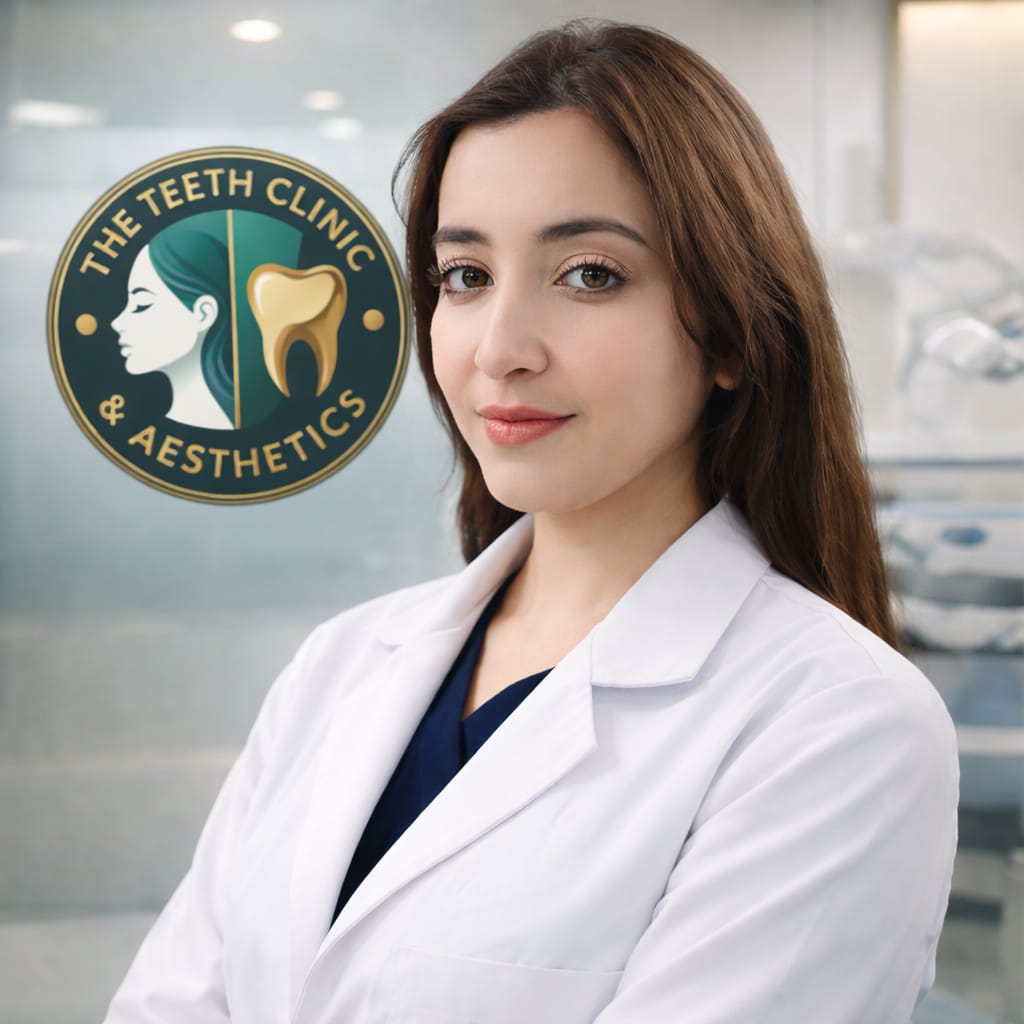
Dr. Afshan Pervez
Lead Dental Surgeon & Aesthetician | BDS, RDS, Orthodontist
Dr. Afshan Pervez is a leading expert in Dentistry and Regenerative Aesthetics with over 15 years of clinical experience. Specializing in the delicate intersection of facial anatomy and cellular biology, she is a proponent of non-toxic aesthetic medicine. Dr. Pervez focuses on evidence-based regenerative techniques, including polynucleotides and PRF, to restore biological health and structural integrity to the skin, moving beyond traditional filler methodologies to achieve natural, long-lasting rejuvenation.
Last reviewed: 08/04/2026