
My Personal Protocol for Surviving Tooth Extraction Recovery
Direct Answer
Initial healing after a tooth extraction typically takes 7 to 10 days for the gum tissue to close the socket. However, the complete biological process of bone remodeling and socket filling takes significantly longer, usually between three to six months, depending on the complexity of the procedure and the patient's overall health.
I have sat across from thousands of patients at the exact moment the local anesthetic is the only thing standing between them and reality.
In our practice, we often see that the most successful recoveries occur when patients treat the first 48 hours as a critical 'biological window.' We frequently observe that secondary complications, like alveolar osteitis, are almost entirely preventable when patients strictly avoid negative intraoral pressure—such as that caused by straws or smoking—which is essential for protecting the fibrin scaffold of the initial clot.
— Clinical Observation

At The Teeth Clinic & Aesthetics, I tell my patients that the extraction was just the demolition phase. The real work—the biological alchemy of rebuilding your jaw—starts the second you stand up from my chair.
The First 24 Hours: Protecting the Crimson Anchor
If you remember nothing else I say, remember this: the blood clot is sacred. I call it the 'crimson anchor.' If you lose that clot, you invite a dry socket, and that is a level of discomfort I wouldn't wish on my worst enemy. Avoid strenuous exercise or heavy lifting for at least the first 24 hours to prevent increased blood pressure at the surgical site.
I insist on what I call 'upright recovery.' When you get home, stack three pillows. You need your head significantly higher than your heart.

By staying elevated, you drain that pressure away. Also, do not chase the pain. Take your first dose of relief before the numbness completely evaporates.
Days Two and Three: The Peak of the 'Chipmunk Phase'
There is a cruel irony in dental recovery: you often feel worse forty-eight hours later than you did the hour after surgery. This is the inflammatory peak. Your immune system is flooding the site with white blood cells and repair enzymes.
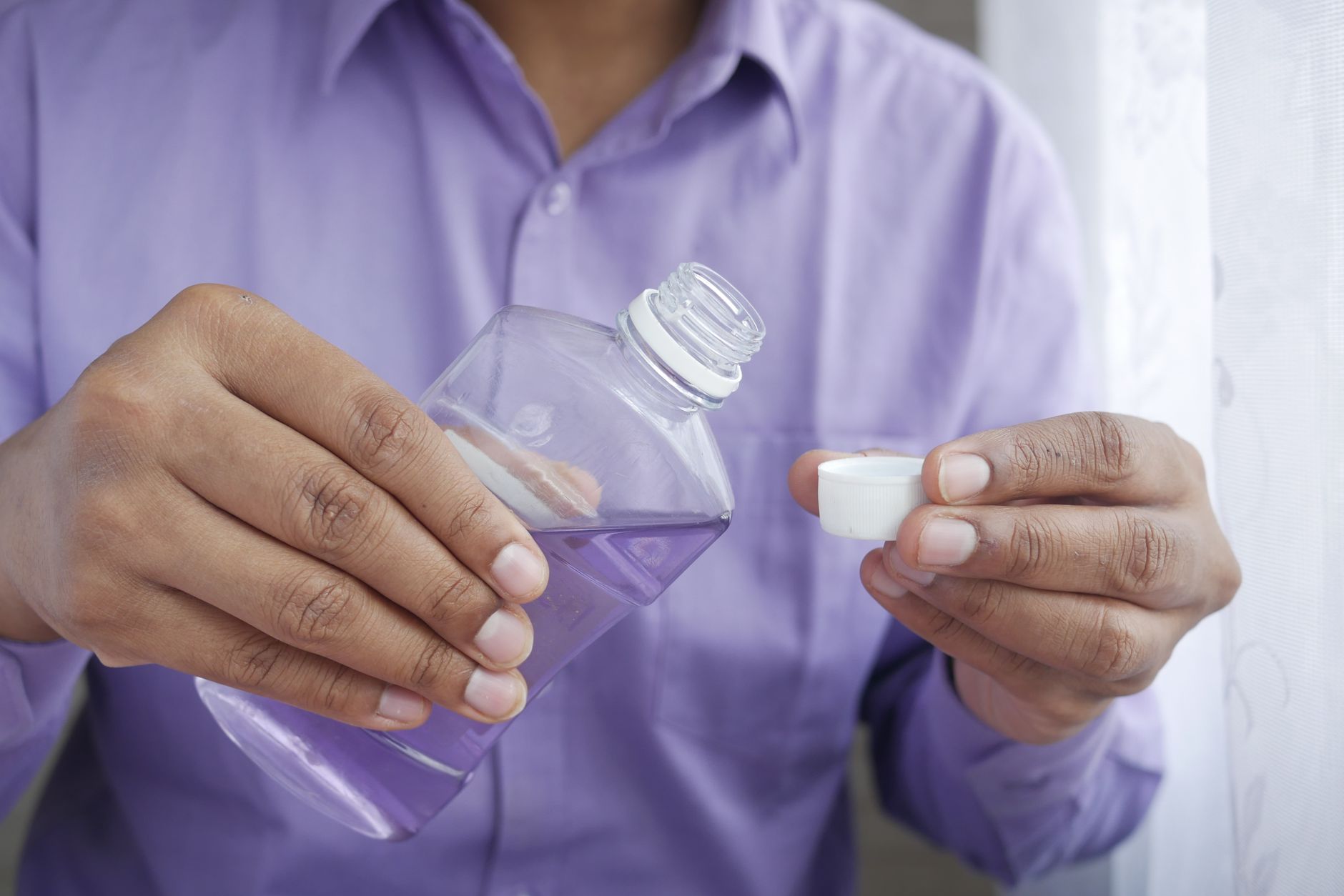
This is when I introduce 'the passive rinse.' Take a little warm water, add a pinch of sea salt, and let it roll around your mouth. Do not spit. Spitting creates a vacuum in the oral cavity that can literally suck the clot out of the socket.
If your job involves a lot of talking, stay home. Your body cannot knit tissue together while you are barking into a headset.
Fueling the Repair: My 'No-Straw' Culinary Philosophy
Most dentists tell you to 'eat soft foods,' which is boring. I want you to eat for collagen synthesis. Think of things like bone broth or blended avocado.

The cardinal sin of recovery is using a straw. Throw your straws in the trash. The suction force is the number one cause of failed clots. Also, avoid anything with 'debris potential' like seeds or crumbs.
Deciphering the Red Flags: When to Call Me
I expect some soreness, but I want you to be hyper-aware of 'the shift.' While significant improvement is expected by the fourth day, individual healing times vary; persistent or worsening pain should be reported to your dentist. If, instead, you feel a sudden, sharp, radiating ache that travels toward your ear, call me immediately. Other things that should trigger a phone call include a 'swamp' taste or a fever. However, a gray film is usually just granulation tissue—the mouth's version of a scab.
The One-Week Milestone and the Future of Your Smile
By day seven, the 'hole' should be filling in with healthy, coral-pink tissue. This is the point where you can start re-introducing real food.

I view an extraction as a clean slate. Whether we are prepping the site for a bone graft for dental implant or moving teeth with braces, this week of 'sophisticated stillness' is the foundation. Treat your jaw with respect, and it will return the favor.
Frequently Asked Questions
General
What is the most important thing to do in the first 24 hours after a tooth extraction?
What is the most important thing to do in the first 24 hours after a tooth extraction?
The most critical step is protecting the blood clot, or 'crimson anchor.' You must avoid physical activity, keep your head elevated above your heart to reduce pulsing pressure, and take pain relief before the anesthetic wears off.
General
Why does swelling seem to get worse two days after surgery?
Why does swelling seem to get worse two days after surgery?
This is known as the inflammatory peak. Your immune system is flooding the site with white blood cells and repair enzymes to begin the healing process. It is a normal biological response.
General
How can I safely clean my mouth after an extraction?
How can I safely clean my mouth after an extraction?
Use a 'passive rinse' with warm salt water. Instead of spitting, which creates a vacuum that can dislodge the blood clot, let the water roll around your mouth and then lean over the sink to let it fall out naturally.
General
What are the signs of a dry socket?
What are the signs of a dry socket?
A dry socket is characterized by a sudden, sharp, radiating pain that often travels toward the ear or temple, usually occurring around day four. You can have a foul taste and may experience bad breath. If you experience this, contact your dentist immediately.
General
When can I return to the gym after a tooth extraction?
When can I return to the gym after a tooth extraction?
It is best to wait at least ten days before resuming heavy lifting or high-intensity workouts. Internal pressure from straining can disrupt the healing site and cause complications.
Key Takeaways
- Protect the blood clot (the 'crimson anchor') at all costs to prevent the development of a painful dry socket.
- Keep the head elevated above the heart for the first 24 hours to minimize post-operative swelling and hydrostatic pressure.
- Avoid any suction-based activities, including using straws or smoking, as these can dislodge the healing clot.
- Expect peak inflammation and swelling to occur approximately 48 to 72 hours after the surgical procedure.
- Monitor for 'the shift'—if pain increases or radiates toward the ear after day three, contact your dental surgeon immediately.
Dr. Afshan Pervez
Lead Dental Surgeon & Aesthetician | BDS, RDS, Orthodontist
Dr. Afshan Pervez is the Lead Dental Surgeon & Aesthetician at The Teeth Clinic & Aesthetics, bringing over 14 years of diverse clinical experience. As a BDS, RDS, and Orthodontist, she has attained international academic excellence with an Integrated Masters from Portugal, and advanced training in Implant Dentistry from Hong Kong and Dental Medicine from the USA. Her multidisciplinary expertise encompasses oral surgery, endodontics, and prosthodontics, alongside specialized skills in aesthetic medicine and facial treatments.
Last clinically reviewed: 03/04/2026