
The Architecture of Resilience: My Perspective on Dermal Bio-stimulants and Skin Laxity
Direct Answer
Dermal bio-stimulants for skin laxity are injectable treatments, such as Poly-L-Lactic Acid (PLLA) and Calcium Hydroxylapatite (CaHA), that trigger neocollagenesis. Unlike traditional fillers that provide temporary volume, bio-stimulants activate fibroblasts to produce natural collagen and elastin, restoring the skin's structural integrity, thickness, and elasticity from within over several months.
In my clinical practice, the conversations I have with patients have shifted. It is rarely about a singular, deep-set crease anymore. Instead, people come to me describing a loss of "energy" in their skin—a subtle, heavy drift that changes how light hits the face. This is the biological reality of skin laxity. For decades, the aesthetic world was obsessed with "filling" these shadows with hyaluronic acid, essentially masking the problem by inflating the tissue. But as someone who has spent fifteen years bridging the worlds of regenerative dentistry and aesthetics, I know that true rejuvenation isn't about volume alone; it’s about the structural integrity of the extracellular matrix. We are now in the era of dermal bio-stimulants for skin laxity, and I believe this represents the most significant paradigm shift in how we approach aging.
In my experience, patients presenting with 'crepey' skin on the lower face and neck derive the most significant benefit from a multi-modality approach. We often see that while traditional hyaluronic acid fillers can address specific hollows, only bio-stimulants can truly improve the dermal 'snap' and resilience. I frequently observe that combining hyper-diluted CaHA with PRF creates a synergistic effect, where the CaHA provides the scaffold and the PRF provides the growth factors necessary for accelerated tissue remodeling.
— Clinical Observation

I often tell my patients that their skin is like a piece of high-quality fabric. Over time, the internal fibers—the collagen and elastin—begin to fray and lose their memory. Traditional fillers are like placing a patch behind the fabric. Bio-stimulants, however, are like reweaving the threads themselves. By engaging with the skin’s own fibroblasts, we aren't just adding a foreign substance; we are reviving the cellular machinery that has gone dormant. Within this context, I often guide my patients toward Non-Toxic Aesthetic Medicine: The Future of Regenerative Beauty to better understand the shift toward natural structural support.
The Cellular Conversation: Why Bio-stimulation Eclipses Traditional Filling
To understand my preference for bio-stimulants, one must understand the difference between occupancy and restoration. A traditional filler is an inert, space-occupying gel. It’s a wonderful tool for immediate gratification—shaping a chin or defining a lip—but it is essentially a passenger in the tissue. It does nothing to repair the underlying biological "snap." Furthermore, I’ve seen that over-reliance on volume can lead to a distorted, heavy appearance that defies the natural movement of the human face.
Dermal bio-stimulants for skin laxity operate via a more sophisticated mechanism: neocollagenesis. When I inject these agents into the deep dermis, I am initiating a controlled, productive dialogue with the body. These substances act as biological triggers that stimulate the deposition of Type I and Type III collagen. Over several months, the initial product is metabolized, replaced by the patient’s own vibrant, living tissue. The result? A face that doesn't look "augmented," but rather one that looks structurally reinforced from within.

The Tools of Transformation: Key Agents in My Toolkit
I choose my bio-stimulatory agents based on the specific "language" the patient's skin needs to hear. Whether it is the face, the neck, or the thinning skin on the hands, the approach must be bespoke.
Poly-L-Lactic Acid (PLLA): The Foundation Builder
In lifestyle circles, PLLA is often called a "liquid facelift," but I prefer to think of it as a collagen seed. PLLA is a synthetic, biocompatible polymer that has been a staple in medicine for decades. I find it particularly effective for patients experiencing "skeletalization"—that hollowing and thinning that occurs when the structural foundation of the face begins to dissipate. It isn't an instant fix. It requires patience. Over three to six months, the micro-particles stimulate a robust, widespread collagen response that thickens the skin and restores a youthful, firm turgor.
Calcium Hydroxylapatite (CaHA): The Versatile Sculptor
CaHA is a remarkable compound because it offers a dual-action benefit that I find indispensable. It provides an immediate, albeit subtle, lift through its gel carrier, but its true power is its long-term effect on elastin. When I use CaHA in a hyper-diluted form, I can spread it across larger surface areas like the lower face and the neck. This technique allows us to tighten the "crepe-like" texture of the skin without adding unwanted bulk or changing the patient’s natural contours. It’s about refining the surface while strengthening the base.
Polynucleotides: The Regenerative Whisperers
The newest frontier in my practice involves polynucleotides—fractions of DNA that focus on cellular repair rather than just structural support. I find these especially transformative for the delicate skin around the eyes. They improve the micro-environment of the cells, increasing hydration and elasticity by promoting fibroblast turnover. When reviewing The Science of Polynucleotide Rejuvenation: Elegant Cellular Repair, it becomes clear why these are becoming a cornerstone for patients seeking a refreshed, rather than "filled," appearance.
Synergy and Science: PRF and the Power of Autologous Care
My roots in regenerative dentistry have given me a deep respect for autologous treatments—using the patient's own biological wealth to heal the body. In my practice, the debate of PRF vs PRP for Skin Aesthetics: The Expert Guide to Regenerative Beauty is a daily conversation. I have shifted my focus toward Platelet-Rich Fibrin (PRF) because it creates a fibrin scaffold that releases growth factors slowly over time, rather than in one short burst.

When I inject PRF, I am essentially delivering a concentrated cocktail of the patient’s own white blood cells and platelets into the areas of concern. This induces a localized "healing crisis," signaling the body to flood the area with new blood vessels and reparative cells. I often combine this with microneedling to maximize the firming effect. This isn't just a cosmetic treatment; it is an optimization of the entire integumentary system.
Exosomes: The Pinnacle of Molecular Messaging
For those seeking the absolute cutting edge, I incorporate exosomes into our bio-stimulatory protocols. Exosomes are not cells themselves, but extracellular vesicles—tiny messengers that carry proteins and genetic signals from one cell to another. They tell aging, sluggish cells to behave like youthful ones.
When I use exosomes in conjunction with dermal bio-stimulants for skin laxity, the results are amplified. We see faster healing, reduced downtime, and a more intense production of high-quality collagen. This is the ultimate "high-end" approach, moving beyond simple aesthetics into the realm of true molecular anti-aging.
Identifying the Ideal Candidate: A Clinical Assessment
Not every face requires the same intervention. When a patient sits in my chair, I perform a "pinch test" to assess the dermal envelope. If the skin feels thin and "parchment-like," or if it lingers when pulled, I know that traditional fillers are not the answer. Bio-stimulants are for the patient who values longevity, natural movement, and a gradual transformation.

The ideal candidate is someone who views their aesthetic journey as a marathon, not a sprint. Because bio-stimulants rely on the body’s own biological response, the "bloom" takes time. Most of my protocols involve a series of two to three sessions. But the reward for this patience? A refreshed, resilient appearance that doesn't look "done" because the change is happening at a cellular level.
Safety, Precision, and the "Pre-juvenation" Philosophy
The use of these agents requires more than just a steady hand; it requires a deep, anatomical understanding of the face. Because bio-stimulants induce a lasting biological change, their placement is paramount. I use advanced cannula techniques to ensure the product is distributed evenly, minimizing the risk of nodules and bruising. Maintaining a clinical focus on Bio-filler safety and efficacy is my first priority; predictability is my second.
I am also seeing a rise in "pre-juvenation"—younger patients in their late 20s and 30s who are choosing bio-stimulants to build their "collagen bank." By intervening early, we can maintain the skin’s density and potentially delay the need for more aggressive surgical options later. It is a proactive, wellness-focused approach that fits perfectly into a high-end lifestyle.
The Future: Beyond the Scalpel
We are entering a golden age of regenerative medicine. The line between clinical therapy and aesthetic enhancement is blurring, and I find that incredibly exciting. We are no longer merely "fixing" wrinkles; we are revitalizing the living tissue of the face.

In the future, I expect to see even more personalized protocols, perhaps using a patient’s own genetic markers to tailor the specific growth factors we use. For now, the combination of PLLA, CaHA, Polynucleotides, and PRF remains the gold standard for structural restoration. Clarify that bio-stimulants are an alternative for mild-to-moderate laxity or a preventative measure, but do not replace surgery for significant skin excess. To me, this isn't just medicine; it is the art of biological grace.
Frequently Asked Questions
General
How do dermal bio-stimulants differ from traditional hyaluronic acid fillers?
How do dermal bio-stimulants differ from traditional hyaluronic acid fillers?
Traditional fillers are inert gels that provide immediate volume by occupying space, essentially masking shadows. In contrast, dermal bio-stimulants trigger 'neocollagenesis,' a biological process where the body is prompted to produce its own Type I and Type III collagen. While fillers offer instant gratification, bio-stimulants focus on restoring the skin's structural integrity and 'snap' for long-term rejuvenation.
General
How long does it take to see results from bio-stimulatory treatments like PLLA?
How long does it take to see results from bio-stimulatory treatments like PLLA?
Bio-stimulants are considered a 'marathon, not a sprint.' Because they rely on your body’s cellular machinery to build new tissue, results typically emerge gradually over three to six months. Patients usually undergo a series of two to three sessions to allow the collagen response to 'bloom,' resulting in a refreshed appearance that looks natural rather than 'done.'
General
Which bio-stimulant is best for thin, crepey skin on the neck or hands?
Which bio-stimulant is best for thin, crepey skin on the neck or hands?
Calcium Hydroxylapatite (CaHA) in a hyper-diluted form is often the preferred choice for larger surface areas with crepe-like texture. It strengthens the skin's foundation and improves elastin without adding unwanted bulk. For very delicate areas like the skin around the eyes, Polynucleotides are frequently used to promote cellular repair and hydration at a molecular level.
General
What is 'pre-juvenation' and who is the ideal candidate for it?
What is 'pre-juvenation' and who is the ideal candidate for it?
Pre-juvenation is a proactive approach for patients in their late 20s and 30s who use bio-stimulants to build a 'collagen bank.' By stimulating the skin’s density before significant sagging occurs, these patients can maintain their youthful structural resilience and potentially delay the need for more invasive surgical procedures later in life.
Key Takeaways
- Dermal bio-stimulants focus on biological restoration (neocollagenesis) rather than just mechanical space-filling.
- PLLA acts as a foundation builder for volume loss, while CaHA is excellent for refining skin texture and surface laxity.
- Polynucleotides and PRF represent a regenerative shift, utilizing DNA fractions and autologous growth factors for cellular repair.
- Results from bio-stimulants are gradual, typically appearing over 3-6 months as the body builds its own structural proteins.
- Early intervention, or 'pre-juvenation,' can effectively build a collagen bank and delay the need for invasive surgical procedures.
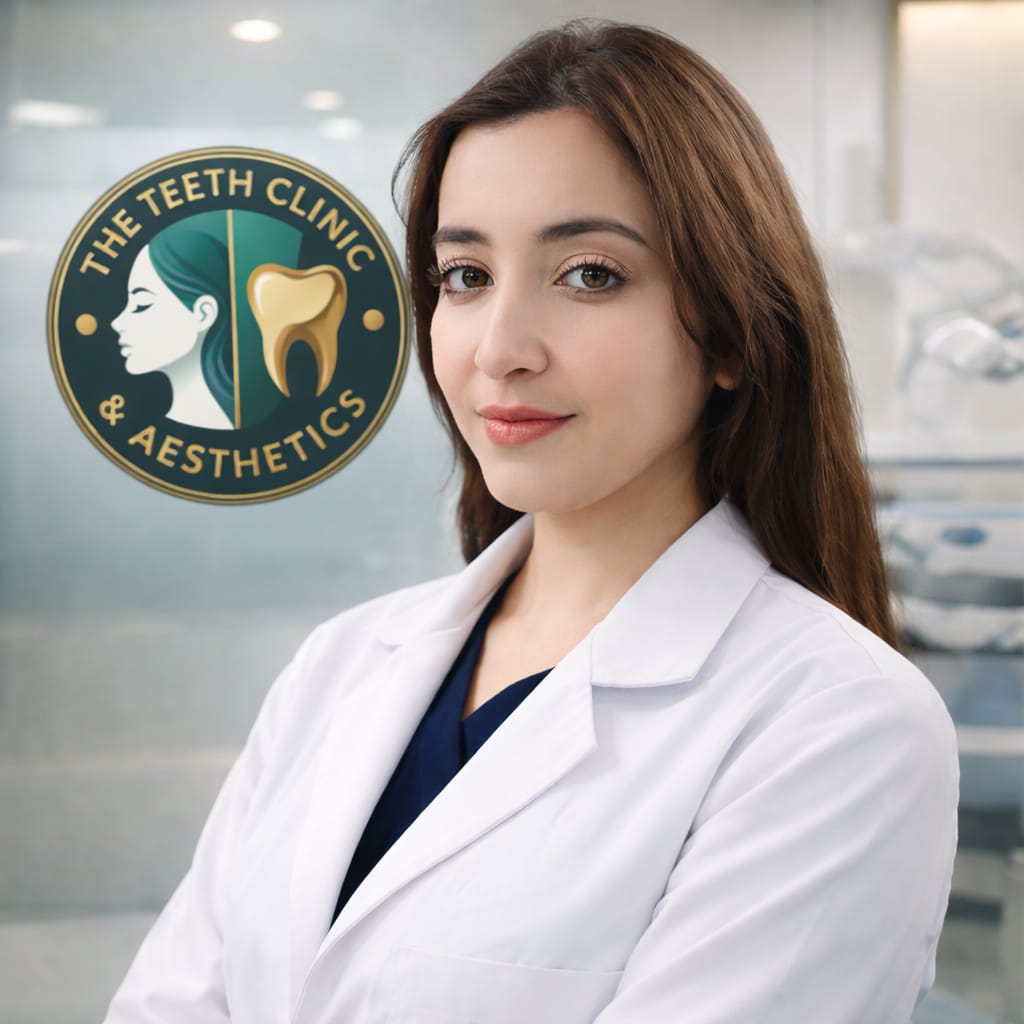
Dr. Afshan Pervez
Lead Dental Surgeon & Aesthetician | BDS, RDS, Orthodontist
Dr. Afshan Pervez is a leading expert in Dentistry and Regenerative Aesthetics with over 15 years of clinical experience. Specializing in the intersection of structural facial architecture and cellular rejuvenation, she utilizes advanced bio-stimulatory protocols to achieve natural, long-lasting results. Dr. Pervez is a proponent of non-toxic aesthetic medicine, focusing on autologous treatments and bio-compatible materials that work in harmony with human biology.
Last reviewed: 09/04/2026