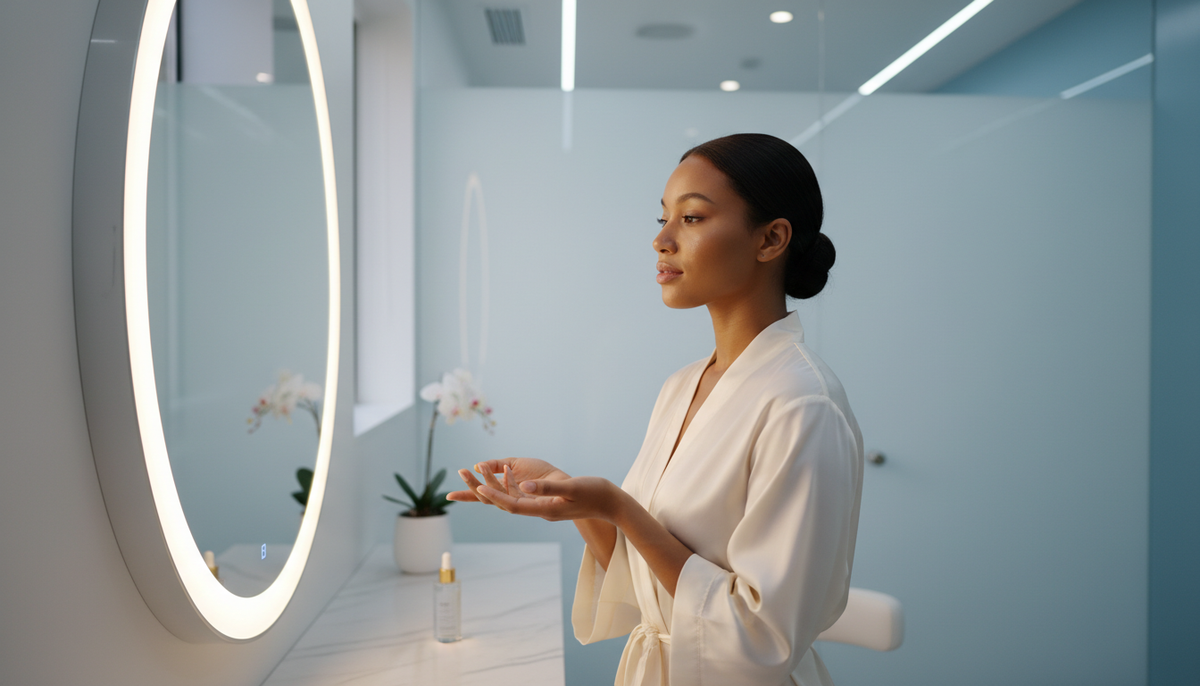
My Professional Roadmap to Chemical Peel Recovery: How I Guide My Clients to Radiance
Direct Answer
Post-peel care focuses on three pillars: thermal regulation, barrier repair, and strict photoprotection. For the first 48 hours, keep skin cool and avoid heat. Use only gentle, non-foaming cleansers and ceramide-rich moisturizers to support the lipid barrier. Never pick at peeling skin, and apply mineral-based SPF daily to prevent hyperpigmentation during the vulnerable healing phase.
When I perform a professional chemical peel, I always tell my patients that the treatment in my chair is only half the battle. Think of the peel as a calculated demolition; the real architectural work—the rebuilding of your skin’s structure—happens in the quiet days that follow. Whether I’ve just applied a gentle lactic acid sweep or a transformative, multi-layer TCA solution, your skin is entering a state of profound vulnerability. In my years of clinical practice, I’ve learned that the 'glow' everyone seeks isn't just born from the acid itself, but from the meticulous, disciplined aftercare that protects your new, emerging cells from environmental trauma.
In our practice, we often see that the most significant barrier to a successful peel recovery is 'skincare impatience.' Patients frequently underestimate the vulnerability of newly exposed epidermal layers and reintroduce potent retinoids or AHAs too quickly, which can lead to irritant contact dermatitis or a compromised skin barrier. We emphasize that a temporary sabbatical from all high-performance actives is essential to allow the natural inflammatory cascade to produce the desired collagen-building results without unnecessary irritation.
— Clinical Observation
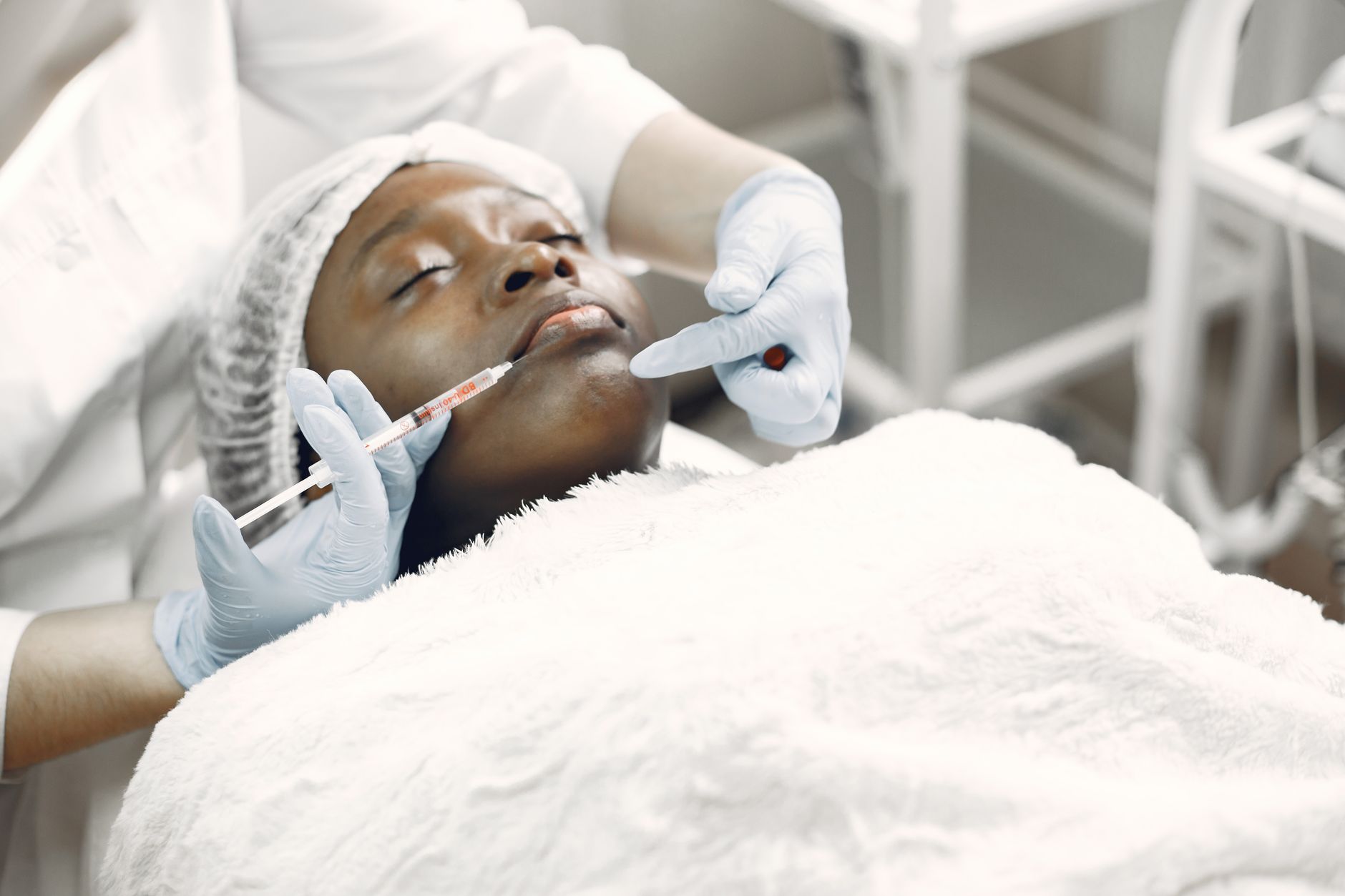
The First Six Hours: My 'Cooling Phase' Protocol
I consider the first six hours post-peel to be the 'golden window.' During this time, your face will likely feel a sensation I describe as a vibrant, pulsing heat—much like a moderate sunburn. This is intentional. We’ve triggered a controlled inflammatory response to jumpstart collagen production. However, my primary goal for you during this window is thermal regulation. I’ve seen results compromised simply because a client stood over a steaming pot of pasta or took a scalding shower. Heat is your enemy right now; it can exacerbate redness and, in darker skin tones, trigger the very hyperpigmentation we are trying to erase.
When you cleanse for the first time that evening, I want you to forget your complicated multi-step routine. I recommend using only your fingertips and a non-foaming, pH-balanced cleanser. Why? Because foaming agents often contain harsh surfactants that can disrupt the fragile lipid barrier we are trying to preserve. Use cool water. Pat dry with a clean towel—never rub. I tell my clients to treat their face like a piece of ancient, thinning silk: with absolute reverence and zero friction.

The Science of Desquamation: Why I Insist You Don't Pick
Around day three, you will likely see the process of desquamation begin. To the layperson, this is 'the peeling.' It can be messy, and I know how tempting it is to tug at a loose flake of skin. I beg you: resist. When you prematurely pull at skin that isn't ready to shed, you are essentially ripping away a biological bandage. I’ve had to treat long-term scarring and stubborn 'hot spots' of deep pigment that are significantly harder to resolve because a client couldn't stop picking. You are exposing raw, 'immature' cells to the air before their internal defenses are ready.
If the flapping skin becomes a nuisance during your workday, I suggest a professional trick: If loose skin is distracting, consult your clinician about safe management; avoid using household tools to trim peeling skin to prevent accidental injury or infection. Do not pull. By allowing the skin to fall away on its own timeline, you ensure that the new epidermal layer underneath remains even, intact, and resilient. Patience is the most potent ingredient in your skincare arsenal right now.
Hydration Strategy: My Formula for Barrier Repair
During the recovery phase, your skin’s thirst is insatiable, but I want you to be selective about how you quench it. I typically advise my clients to look for formulations rich in ceramides and hyaluronic acid. I think of ceramides as the 'mortar' between your skin-cell 'bricks.' They seal the gaps, preventing transepidermal water loss. Understanding what is the role of peptides in anti-aging skincare can also help you choose products that support long-term structural integrity.

I do, however, caution against heavy, petroleum-based occlusives unless I’ve performed a very deep peel. Thick balms can sometimes trap heat, leading to prickly heat or milia. I also remind my patients that hydration is an internal job. I want you to double your water intake. A well-hydrated body facilitates faster cellular turnover and ensures the new skin emerging has the elasticity it needs to look truly rejuvenated.
The Sun Protocol: Protecting My Work (and Your Face)
I am uncompromising when it comes to sun exposure after a peel. The 'baby skin' we are revealing is devoid of its natural melanin protection. If you step out into the sun without protection, you aren't just risking a burn; you are inviting 'rebound hyperpigmentation.' This is where the skin, sensing trauma from UV rays, overproduces pigment as a panic response. I’ve seen this result in darker, more stubborn spots than the ones we started with.
For the first ten days, I insist on a physical (mineral) sunscreen containing zinc oxide or titanium dioxide. I prefer these over chemical filters because they sit on the surface and reflect light, rather than converting UV into heat within the skin. Beyond SPF, I tell my clients to adopt a 'vampire' lifestyle for a week: wear the wide-brimmed hat, stay in the shade, and avoid the peak UV hours of 10 AM to 4 PM. Think of your sunscreen as a liquid shield for your aesthetic investment, much like how how do neurotoxins prevent dynamic wrinkles by protecting the skin from repetitive stress.

The Skincare Sabbatical: What I Want You to Archive
Your high-performance actives need to go into 'witness protection' for a while. I tell my clients to lock away their retinoids, Vitamin C serums, and exfoliating acids (AHAs and BHAs). These are the pillars of a great routine, but right now, they are irritants. We have already achieved maximum exfoliation through the peel; adding more 'work' for the skin will only lead to a compromised barrier and persistent redness. I’ve seen many 'skincare junkies' try to reintroduce their Retin-A too early, only to end up with a weeping, reactive rash.
I also advise being wary of fragrance. Even if you love your scented luxury creams, fragrance is a common allergen that can cause a massive reaction on sensitized, post-peel skin. Stick to 'fragrance-free' and 'hypoallergenic' labels for at least seven days. Once the peeling has completely finished and your skin no longer feels reactive, I will help you slowly reintroduce your serums one by one.
Lifestyle Adjustments: My Tips for a Smooth Recovery
Recovery is about more than just topicals; it’s about how you live. I tell my clients to skip the gym for at least 48 to 72 hours. Sweat is acidic and salty; it can cause an intense, painful stinging on fresh skin. Furthermore, gym environments are breeding grounds for bacteria, and with your barrier currently 'open,' you are at a higher risk for minor infections. Stay cool, stay still, and let your body focus its energy on cellular repair.

I also have a specific 'sleep protocol.' For the first few nights, I recommend sleeping on your back with an extra pillow to elevate your head. This helps drain any post-treatment fluid and reduces swelling. If you can, switch to a silk or satin pillowcase. I find that silk creates less friction, so you won’t accidentally 'rub off' peeling skin while you toss and turn at night. These small details often make the difference between a comfortable recovery and a frustrating one.
When I Want You to Call My Office
While I expect some redness and 'tightness,' I want my clients to know the difference between a normal heal and a complication. If your redness is increasing after day three, or if it feels itchy and hot, I want to know immediately. We may be dealing with a contact dermatitis or an allergic reaction.
Please call me immediately if you experience:
- Any unexpected blistering or 'weeping' fluid.
- A yellowish crust or pus—this is a red flag for a bacterial infection.
- The sudden appearance of cold sores, which the stress of a peel can occasionally trigger.
- Intense pain that feels 'deep' rather than just surface-level sensitivity.
I always schedule a follow-up for my clients. Even if you think your skin looks perfect, I want to check for subtle signs of dehydration or congestion to ensure your long-term results are as spectacular as possible.
The Final Reveal: My Long-term Vision
I remind everyone that the true results of a peel are like a slow-developing photograph. You won’t see the final 'glow' the moment the skin stops shedding. It takes several weeks for the deeper layers of the dermis to remodel themselves. By day 14, however, you’ll notice that your texture is like glass, your pores are tighter, and your tone is remarkably even. To me, this is the most rewarding part of the process—seeing the transformation that a little science and a lot of disciplined aftercare can achieve.
Key Takeaways
- Prioritize thermal regulation by avoiding steam, hot showers, and intense exercise for at least 48-72 hours.
- Do not manually peel or pick at desquamating skin, as this can lead to scarring and rebound hyperpigmentation.
- Switch to a 'minimalist' routine involving a gentle cleanser, ceramides, and hyaluronic acid during the recovery window.
- Use physical (mineral) sunscreens containing zinc oxide to protect new cells from UV damage without trapping heat.
- Suspend all active ingredients like retinol, Vitamin C, and exfoliating acids until the skin is fully healed and no longer reactive.
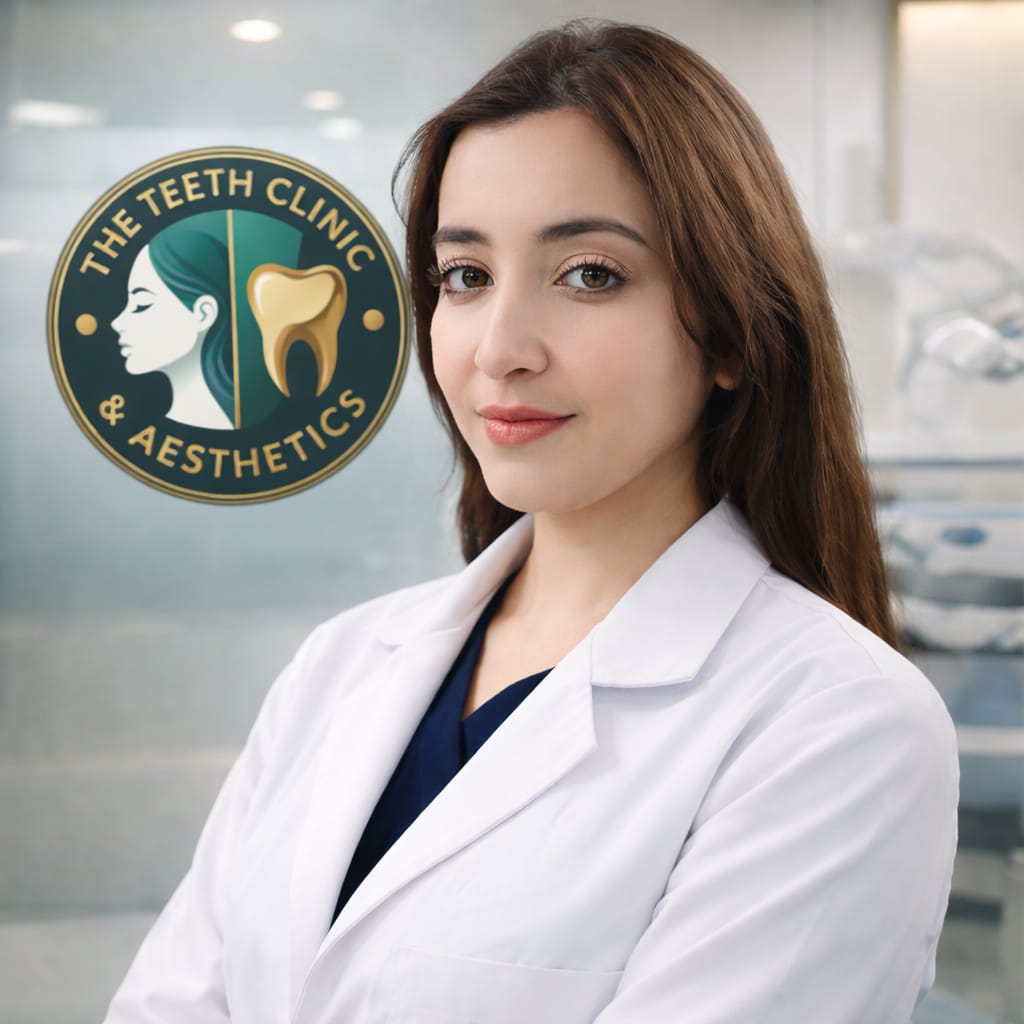
Dr. Afshan Pervez
Lead Dental Surgeon & Aesthetician | BDS, RDS, Orthodontist
Dr. Afshan Pervez is the Lead Dental Surgeon and Aesthetician at The Teeth Clinic, bringing over 14 years of clinical experience to her practice. A BDS and RDS qualified professional with a specialization in Orthodontics, she has pursued extensive international training, including an Integrated Masters in Portugal and advanced studies in Implant Dentistry in Hong Kong and Dental Medicine in the USA. Her diverse expertise spans surgery, prosthodontics, and aesthetic medicine, where she specializes in advanced facial treatments and PRP therapies to achieve harmonized, clinical-grade results.
Last clinically reviewed: 05/04/2026