
The Fluid Shift: Why I’m Seeing a Surge in Non-Surgical Refinement
Direct Answer
Non-surgical rhinoplasty typically costs between £400 and £1,200 depending on the volume of filler required and the practitioner's expertise. Results provide immediate profile refinement, such as smoothing dorsal humps or lifting the nasal tip, and generally last 12 to 18 months before the hyaluronic acid naturally metabolizes.
For decades, I watched the path to a harmonious profile get paved with heavy anesthesia and surgical chisels. But lately, the aesthetic landscape is shifting toward bespoke 'tweakments'. The explosion of non-surgical rhinoplasty is a symptom of a larger cultural pivot toward precision and subtle refinement.
In our practice, we often see that patients are most concerned about the nose appearing 'larger' after adding filler. However, by precisely addressing the nasofrontal angle, we find that creating a straighter bridge actually makes the nose appear more streamlined and proportionate to the rest of the facial features, rather than wider.
— Clinical Observation

I see patients every day who want to look like themselves, only more polished. While a surgeon might focus on what can be taken away, I focus on what can be strategically added. By placing filler with microscopic accuracy, I can strategically camouflage most minor to moderate dorsal humps or straighten the appearance of the bridge for suitable candidates. This convenience is a game-changer for professionals who might also be considering lip fillers near me to balance their overall facial aesthetic.
The Art of the Profile: My Take on What Fillers Truly Achieve
I often have to debunk the myth that adding volume to the nose will automatically make it look larger. Non-surgical rhinoplasty is actually a sophisticated exercise in managing light and shadow. When I place dermal fillers strategically, I am essentially changing how light hits the nasal topography.

The request I hear most? Fixing the dorsal hump. By injecting filler into the 'valleys' above and below a bump, I create a singular, fluid line. I also use fillers for what I call the 'liquid tip lift,' which can be as transformative as a gummy smile botox correction for refreshing the mid-face.
The Economics of Aesthetics: Why I View This as an Investment
When you look at the non-surgical rhinoplasty cost, I want you to see it as an investment in safety and confidence. In my practice, I exclusively use Hyaluronic Acid (HA) fillers like Juvederm or Restylane because they are reversible and integrate naturally.

Compared to the surgical alternative, the initial cost is significantly lower. While surgery might cost ten times more, many patients prefer this incremental approach. It allows them to 'test-drive' a new silhouette, much like seeing cheek filler before and after results before committing to more permanent changes.
The Chairside Reality: What Happens When You Step into My Clinic
The journey starts with a detailed consultation. I examine your nose from every angle, feeling the thickness of the skin and the strength of the cartilage. Once we have a map, I use a combination of traditional needles and micro-cannulas to ensure a smooth distribution and high safety profile.

Your comfort is my priority. Most premium fillers are pre-mixed with lidocaine, and the actual injection time is usually less than fifteen minutes. It’s over before you’ve even had a chance to get nervous.
The Safety Manifesto: Why Your Choice of Injector is Everything
The nose is a high-risk zone with blood vessels linked to the arteries supplying the eyes. This is why you must choose an injector with an obsessive knowledge of facial anatomy. I treat this area like a vascular minefield, navigating with extreme care.

Watch out for red flags: prices that seem impossible or practitioners who use 'permanent' fillers. Your health is the ultimate luxury. Never sacrifice it for a discount.
Frequently Asked Questions
General
How long does a non-surgical rhinoplasty last?
How long does a non-surgical rhinoplasty last?
For most patients, the results of a liquid nose job hold strong for 12 to 18 months. Because the nose is a relatively static part of the face, the hyaluronic acid filler breaks down much more slowly than in areas like the lips.
General
Is the liquid nose job painful?
Is the liquid nose job painful?
Most patients describe the sensation as a series of small pinpricks or pressure rather than pain. We use premium fillers pre-mixed with lidocaine and apply a potent topical numbing cream 20 minutes prior to the procedure to ensure maximum comfort.
General
Can filler actually make my nose look smaller?
Can filler actually make my nose look smaller?
While it sounds counterintuitive, adding volume can make the nose appear smaller. By strategically placing filler in the 'valleys' around a dorsal hump, we create a straight line that manages light and shadow more effectively, resulting in a more delicate and balanced profile.
General
What are the risks of non-surgical rhinoplasty?
What are the risks of non-surgical rhinoplasty?
The nose is a high-risk vascular zone. Potential risks include vascular occlusion if the filler is injected into a blood vessel. This is why it is critical to choose an expert injector with deep anatomical knowledge who uses reversible HA fillers.
Key Takeaways
- Non-surgical rhinoplasty uses hyaluronic acid fillers to correct minor imperfections and refine the nasal silhouette without downtime.
- Results are temporary and reversible, offering a safer 'test-drive' for those not ready for permanent surgical intervention.
- The procedure is cost-effective compared to surgery, though it requires periodic maintenance every 12 to 18 months.
- Safety is the primary concern; only seek treatment from medical professionals with advanced knowledge of facial vascular anatomy.
- Bespoke treatments can address dorsal humps, drooping tips, and asymmetrical bridges through strategic light and shadow management.
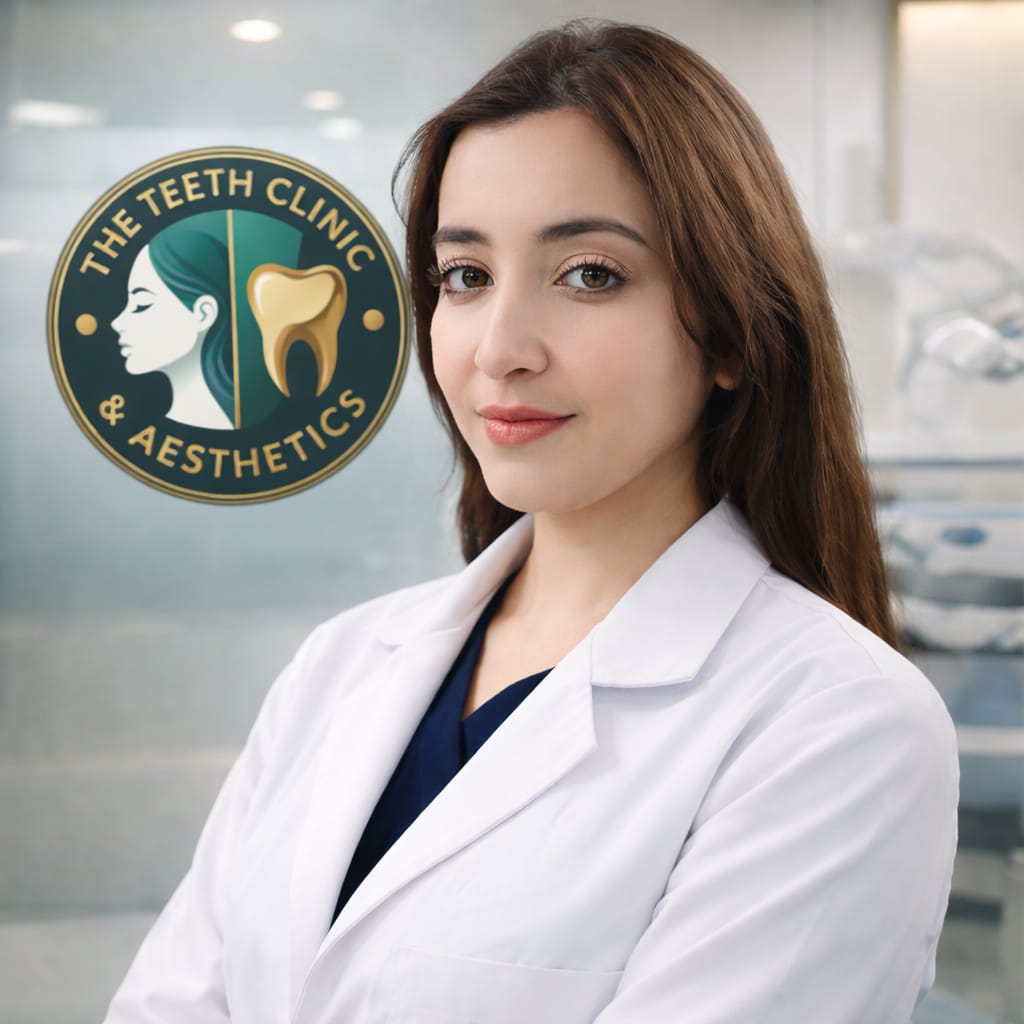
Dr. Afshan Pervez
Lead Dental Surgeon & Aesthetician | BDS, RDS, Orthodontist
Dr. Afshan Pervez is the Lead Dental Surgeon and Aesthetician at The Teeth Clinic, with over 14 years of specialized clinical experience. She holds credentials as a BDS, RDS, and Orthodontist, with advanced international training spanning Portugal, Hong Kong, Denmark, and the USA. Her multidisciplinary expertise encompasses surgery, endodontics, and aesthetic medicine, where she focuses on high-precision facial rejuvenation and harmonious aesthetic outcomes.
Last clinically reviewed: 04/04/2026