
Understanding Autologous Skin Therapy
Direct Answer
Autologous skin therapy is a regenerative aesthetic treatment that utilizes a patient's own biological material—primarily blood-derived platelets and fibrin—to stimulate natural tissue repair. By concentrating growth factors through processes like PRP or PRF, clinicians can trigger collagen production and cellular renewal, offering a biocompatible and long-lasting alternative to synthetic dermal fillers.

In the landscape of modern aesthetic medicine, we are witnessing a significant departure from synthetic interventions in favor of biological harmony. As a clinician with over fifteen years of experience across the fields of dentistry and regenerative aesthetics, I have observed that the most profound results often come from within the patient’s own biology. Autologous skin therapy represents the pinnacle of this philosophy. By utilizing the body’s own cellular resources, we can stimulate repair, enhance tissue quality, and restore a youthful vitality that synthetic fillers simply cannot replicate.
In our practice, we often see that patients who transition from synthetic fillers to Platelet-Rich Fibrin (PRF) report a more 'rested' and subtle rejuvenation that avoids the heavy, unnatural look sometimes associated with over-filling. I have found that using PRF specifically in the perioral and infraorbital regions provides a structural integrity that synthetic materials struggle to match, particularly because the fibrin scaffold supports the thinning dermis in a way that looks harmonious with the patient’s natural facial movements.
— Clinical Observation
The word "autologous" refers to cells or tissues obtained from the same individual. In the context of skin rejuvenation, this means we are harvesting the patient's own blood or tissue, processing it to concentrate its most potent healing elements, and reintroducing it into the skin. This approach bypasses the risks of allergic reactions or "overfilled" aesthetics, offering a sophisticated alternative for those who prioritize longevity and natural refinement.
The Biological Foundation of Self-Healing
To truly understand autologous skin therapy, one must appreciate the complexity of the wound-healing cascade. When the skin is injured, the body dispatches a fleet of signaling molecules and specialized cells to manage the repair. In regenerative medicine, we capture these signals before an injury even occurs. By concentrating growth factors and cytokines, we essentially "trick" the skin into a state of high-intensity regeneration. For those interested in the science behind these processes, our Regenerative therapy technology guide provides a deeper dive into the clinical mechanisms at play.
Our skin's structural integrity relies heavily on collagen and elastin. As we age, the production of these proteins slows down, leading to thinning, laxity, and fine lines. Autologous therapies do not merely mask these signs. They address the cellular exhaustion that causes them. When we introduce concentrated platelets or fibrin into the dermal layers, we trigger the activation of fibroblasts—the cells responsible for producing new collagen. The result is a structural reinforcement of the skin from the inside out.
Platelet-Rich Plasma (PRP): The First Wave of Regeneration

Platelet-Rich Plasma, often referred to in lifestyle circles as the "vampire facial," was the first autologous treatment to gain widespread recognition. The process is elegant in its simplicity. A small amount of the patient's blood is drawn and placed in a centrifuge. This device spins the blood at high speeds, separating the red blood cells from the plasma, which is rich in platelets.
Platelets are not just for clotting; they are microscopic reservoirs of growth factors, including Platelet-Derived Growth Factor (PDGF) and Transforming Growth Factor (TGF). When we inject this concentrated plasma into the skin or apply it following microneedling, these growth factors initiate a healing response. We see improvements in skin texture, a reduction in pore size, and a subtle, healthy glow that reflects improved vascularization.
Platelet-Rich Fibrin (PRF): The Next Generation
While PRP has been a staple in my practice, Platelet-Rich Fibrin (PRF) represents a sophisticated evolution of the technology. In my work within dentistry and facial aesthetics, PRF for Facial Volume Loss: The Biological Path to Natural Rejuvenation has become an invaluable tool. Unlike PRP, which uses anticoagulants to keep the blood liquid, PRF is processed at a lower speed without any chemical additives. This allows a natural fibrin scaffold to form.

This fibrin matrix acts as a slow-release delivery system. While PRP releases its growth factors in a sudden burst, PRF releases them gradually over several days. This sustained stimulation is often more effective for tissue regeneration and volume loss. From a clinical perspective, PRF feels more "alive." It provides a denser, richer environment for cellular migration, making it particularly effective for delicate areas like the under-eye region or for enhancing the results of oral-maxillofacial procedures.
The Synergy Between Dental and Facial Aesthetics
It is often asked why a specialist in dentistry and orthodontics would be so deeply involved in regenerative skin therapy. The answer lies in the anatomy. The perioral area—the region around the mouth—is where dental health and facial aesthetics meet. A beautiful smile is framed by the skin and soft tissues of the face. Loss of volume in the cheeks or thinning skin around the lips can detract from even the most perfect orthodontic result.
We view the face as a unified system. By using autologous therapies like PRF, we can support the soft tissues that sit over the dental arches. This holistic approach ensures that the structural changes we make to the teeth are complemented by healthy, resilient skin. If you are seeking a practitioner who understands this complex balance, consulting the best cosmetic dentist near me can be the first step in achieving a harmonious facial profile.
The Patient Experience: A Refined Clinical Journey

Choosing autologous therapy is a commitment to a high-end, personalized health journey. The process is meticulously designed to be as comfortable as it is effective. It begins with a comprehensive consultation where we assess skin quality, bone structure, and the patient’s lifestyle goals. Because we are using the patient's own biological material, the pre-treatment phase often involves optimizing internal health—staying hydrated and maintaining a nutrient-rich diet to ensure the blood we harvest is of the highest quality.
During the procedure, the blood draw is quick and routine. The centrifugation process happens chairside, ensuring the freshness and viability of the cells. Depending on the desired outcome, the autologous serum may be injected precisely into areas of volume loss, or it may be infused via microneedling to treat the entire face, neck, and décolletage. Clarify that while downtime is generally minimal, patients should expect potential redness or mild swelling for up to 48 hours depending on the treatment intensity., which is a testament to the biocompatibility of the treatment.
Addressing Specific Concerns with Autologous Therapy
The versatility of these treatments allows us to address a wide array of aesthetic and functional concerns. Because we are not introducing foreign substances, we can treat areas that are traditionally difficult to manage with synthetic products.
- Periorbital Rejuvenation: The skin under the eyes is incredibly thin. Synthetic fillers in this area can sometimes lead to a "Tyndall effect," where the skin takes on a bluish hue. PRF, however, uses the patient's own plasma to thicken the skin and improve circulation, naturally reducing the appearance of dark circles and fine lines.
- Skin Texture and Scarring: For patients dealing with acne scarring or sun damage, autologous therapies promote the remodeling of scarred tissue. By stimulating new collagen, we can smooth out the skin’s surface and improve its reflective qualities.
- Bio-Stimulation for Volume: While not a replacement for the immediate lift of a dermal filler, repeated autologous treatments can "re-plump" the skin by increasing dermal thickness. In our clinical comparison of Bio-Fillers vs. Traditional Fillers: A Regenerative Approach to Natural Volume, we highlight how biological materials provide a more sustainable and subtle enhancement.
The Safety Profile: Why "Self" is Best
One of the most compelling arguments for autologous skin therapy is its safety profile. In over fifteen years of clinical practice, I have seen the complications that can arise from synthetic materials—granulomas, late-onset inflammatory responses, and vascular occlusions. While rare in expert hands, these risks exist. Autologous therapies virtually eliminate these concerns. Since the material is derived from your own body, there is no risk of rejection or allergic reaction.
Furthermore, these treatments promote "biologic transparency." They do not migrate or create an artificial appearance. Instead, they work with your natural anatomy to enhance what is already there. This makes it an ideal choice for the discerning patient who values both safety and a sophisticated, understated aesthetic.
The Emerging Role of Exosomes
As we look to the future of regenerative medicine, the conversation is expanding beyond platelets to include exosomes. Exosomes are extracellular vesicles that act as the communication system between cells. They carry proteins, lipids, and genetic material that tell aging cells to behave like young cells. While many exosome products currently on the market are derived from external sources, the research into autologous exosomes—those derived from the patient’s own tissues—is the next frontier.
Integrating exosomal science with PRP and PRF treatments allows us to achieve a level of cellular signaling that was once thought impossible. As detailed in our review of Exosome Therapy Clinical Outcomes: The Future of Cellular Restoration, this represents a shift from "replacement medicine" to "communication medicine," where we are essentially rewriting the local environment of the skin to favor repair and longevity.

Conclusion: A Philosophy of Longevity
Understanding autologous skin therapy requires a shift in perspective. It is not a "quick fix" or a temporary mask. It is an investment in the biological health of your skin. By choosing to work with your body's natural regenerative systems, you are choosing a path of aging gracefully and authentically.
In our practice, we see the results of this choice every day: skin that looks luminous, feels firm, and behaves with the resilience of youth. It is a privilege to use my expertise in both dentistry and aesthetics to guide patients through these advanced biological treatments. When we respect the body’s innate wisdom and provide it with the concentrated resources it needs, the results are nothing short of extraordinary.
Frequently Asked Questions
General
What is the primary difference between PRP and PRF for skin rejuvenation?
What is the primary difference between PRP and PRF for skin rejuvenation?
While both use your own blood, PRP (Platelet-Rich Plasma) releases growth factors in a sudden burst and often contains anticoagulants. PRF (Platelet-Rich Fibrin) is processed at a lower speed without additives, creating a natural fibrin scaffold that releases growth factors slowly over several days. This sustained release makes PRF more effective for tissue regeneration and addressing volume loss in delicate areas like the under-eyes.
General
Are autologous skin therapies safer than synthetic dermal fillers?
Are autologous skin therapies safer than synthetic dermal fillers?
Yes, autologous therapies have an exceptional safety profile because the material is derived entirely from your own body. This eliminates the risk of allergic reactions, rejection, or foreign-body granulomas. Unlike synthetic fillers, which carry a small risk of migration or vascular occlusion, autologous treatments work with your natural anatomy to promote biological healing and structural reinforcement.
General
Why should I consider autologous therapy for under-eye concerns?
Why should I consider autologous therapy for under-eye concerns?
The skin under the eyes is very thin, and synthetic fillers can sometimes cause a bluish tint known as the 'Tyndall effect.' Autologous treatments like PRF avoid this by using your own plasma to naturally thicken the dermis and improve circulation. This addresses the root causes of dark circles and fine lines by stimulating new collagen and elastin production rather than just masking them.
General
How does dental health relate to autologous skin treatments?
How does dental health relate to autologous skin treatments?
Facial aesthetics and dental health are deeply linked, particularly in the perioral area around the mouth. Healthy skin and soft tissue provide the essential framework for a beautiful smile. By combining orthodontic or cosmetic dental work with autologous therapies, practitioners can ensure that the skin's volume and texture complement the structural improvements made to the teeth, resulting in a more harmonious and youthful facial profile.
Key Takeaways
- Autologous therapies use the body's own cells (PRP and PRF) to stimulate natural collagen and elastin production.
- PRF represents an evolution of PRP, offering a slow-release fibrin scaffold for more sustained tissue regeneration.
- These treatments eliminate the risk of allergic reactions or rejection because the material is 100% biocompatible.
- Autologous therapy treats the underlying cause of skin aging—cellular exhaustion—rather than just masking symptoms.
- Integrating dental health with facial aesthetics ensures a holistic, structurally sound approach to facial rejuvenation.
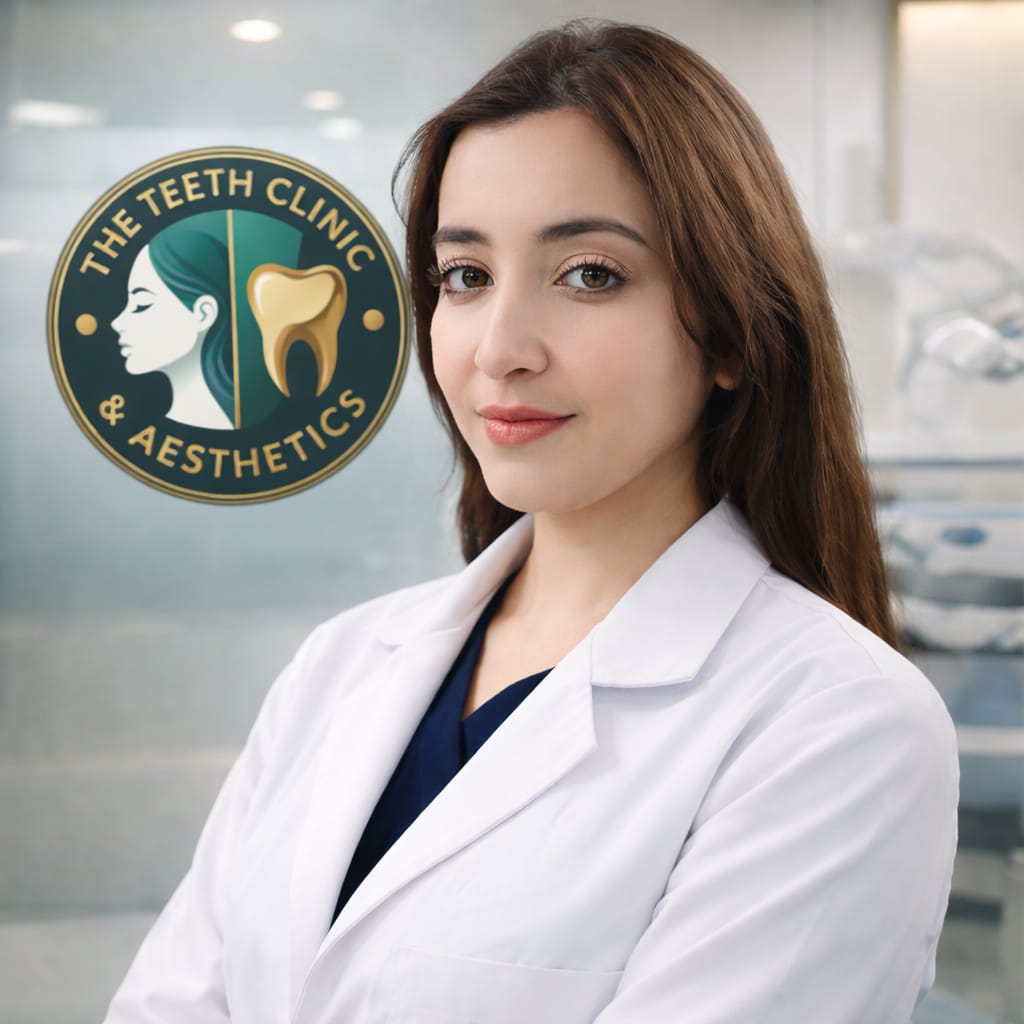
Dr. Afshan Pervez
Lead Dental Surgeon & Aesthetician | BDS, RDS, Orthodontist
Dr. Afshan Pervez is a leading expert in Dentistry and Regenerative Aesthetics with over 15 years of clinical experience. She specializes in the intersection of oral-maxillofacial health and biological skin rejuvenation, advocating for treatments that utilize a patient’s own healing potential. Dr. Pervez is a pioneer in integrating PRF technology within aesthetic medicine to achieve natural, refined, and long-lasting results for her patients.
Last reviewed: 05/05/2026