
Comparing bio-fillers to traditional fillers
Direct Answer
Comparing bio-fillers to traditional fillers involves weighing immediate structural volume against long-term biological regeneration. Traditional hyaluronic acid fillers provide instant lift and contouring through cross-linked synthetic gels. In contrast, bio-fillers utilize your own Platelet-Rich Fibrin (PRF) to stimulate natural collagen production, offering a softer, more integrated result that improves skin vitality over time.
In my fifteen years of clinical practice, I have witnessed a profound shift in how we approach facial rejuvenation. We are moving away from the era of "over-filling" and toward an era of restoration and regeneration. Patients today are more discerning; they seek results that look natural not just in a static photograph, but during the fluid movements of a conversation or a smile. This brings us to a pivotal crossroads in aesthetic medicine: the choice between traditional synthetic fillers and the emerging gold standard of bio-fillers.
In my experience, patients seeking rejuvenation in the perioral region—the area around the mouth—often benefit from a hybrid approach. While traditional fillers provide the structural projection needed for the chin or jawline, bio-fillers prevent the 'stiffness' often associated with synthetic gels during speech and smiling. We've observed that the biological integration of PRF yields a much higher patient satisfaction rate for those concerned with facial mobility and natural texture.
— Clinical Observation
As a practitioner specializing in both dentistry and regenerative aesthetics, I view the face through a structural lens. My background in orthodontics allows me to see how the underlying bone and soft tissue interact. When we discuss comparing bio-fillers to traditional fillers, we are not just talking about erasing a wrinkle; we are evaluating Bio-filler safety and efficacy alongside the long-term health of the skin’s ecosystem and the integrity of the facial scaffold.
Understanding the Foundation of Traditional Fillers
Traditional fillers, primarily composed of Hyaluronic Acid (HA), have been the workhorse of the aesthetic industry for decades. These are gel-like substances injected beneath the skin to restore lost volume, smooth lines, and enhance facial contours. Brands like Juvederm or Restylane are household names for a reason: they provide immediate, predictable, and reversible results.
Hyaluronic acid is a sugar molecule found naturally in our bodies, particularly in our skin, connective tissue, and eyes. However, the HA used in traditional fillers is synthesized in a lab and cross-linked with chemicals like BDDE (1,4-butanediol diglycidyl ether) to prevent the body from breaking it down too quickly. This cross-linking is what gives the filler its "lift" and longevity, allowing it to stay in the tissue for anywhere from six months to two years.
While traditional fillers are excellent for structural "scaffolding"—such as defining a sharp jawline or adding height to cheekbones—they are essentially inert. They occupy space. They do not necessarily improve the quality of the skin or stimulate the body to heal itself. For many of my high-end clients, the goal has shifted from simply "filling a hole" to improving the biological age of the tissue.
The Rise of Bio-Fillers: Platelet-Rich Fibrin (PRF)
Bio-fillers represent the pinnacle of regenerative medicine. Instead of a lab-synthesized gel, we use the patient’s own blood to create a natural injectable. Through a specialized process of centrifugation and, in some cases, controlled heating, we isolate Platelet-Rich Fibrin (PRF). This concentrated plasma is then processed into a gel-like consistency that mimics the behavior of a traditional filler.
The magic of PRF lies in its "slow-release" mechanism. Unlike Platelet-Rich Plasma (PRP), which releases its growth factors in a quick burst, PRF for Facial Volume Loss: The Biological Path to Natural Rejuvenation creates a fibrin scaffold that drips growth factors into the surrounding tissue over the course of several days. When we use this as a bio-filler, we are providing volume while simultaneously delivering a potent cocktail of white blood cells, mesenchymal stem cells, and platelets.
When comparing bio-fillers to traditional fillers, the most significant distinction is the biological activity. A bio-filler communicates with your cells. It signals the body to produce new collagen and elastin, improving skin texture, tone, and thickness from the inside out. It is "living" medicine.
Longevity vs. Vitality: A Balanced Perspective
One of the most frequent questions I hear in my clinic is: "How long will it last?" This is where the comparison becomes nuanced. Traditional HA fillers offer immediate gratification. You walk out of the office with a new chin or fuller lips, and that volume remains relatively stable until the body eventually metabolizes the gel.
Bio-fillers require more patience. Because they are autologous (from your own body), the initial volume from the plasma gel may dissipate slightly after the first few weeks. However, the true results begin to appear at the three-month mark. This is when the new collagen stimulated by the PRF begins to mature. While the physical "gel" may be gone, the structural improvement remains because it is your own tissue that has been rebuilt.
Safety and Biocompatibility
Safety is the cornerstone of my practice. Traditional fillers are incredibly safe when administered by an expert, but they are still foreign bodies. There is always a non-zero risk of delayed inflammatory nodules, late-onset swelling, or, in very rare cases, Include a safety note advising patients to monitor for acute pain, skin blanching, or duskiness post-injection.. Furthermore, some patients develop "filler fatigue," where the repetitive use of synthetic gels leads to a heavy, unnatural appearance or lymphatic stagnation.
Bio-fillers Clarify that while systemic allergic reactions are minimized, standard procedural risks like localized infection or bruising still apply. or rejection. Since the material is derived from your own blood, the body recognizes it as "self." There is no risk of granulomas or the "overfilled" look that can occur when synthetic gels migrate or hold too much water. For patients with autoimmune sensitivities or those who prefer a holistic approach to beauty, bio-fillers are the clear choice.
The Aesthetic Result: The "Art" of the Injectable
When comparing bio-fillers to traditional fillers, we must talk about the "finish." Traditional fillers are fantastic for creating sharp, defined angles. If a patient wants a very specific, high-fashion cheekbone, HA fillers are often the best tool for that architectural job. They have high "G-prime," meaning they are firm and hold their shape well under pressure.
Bio-fillers, on the other hand, provide a softer, more "lit-from-within" glow. They are ideal for the delicate under-eye area (the tear troughs), where traditional fillers can sometimes look blue (the Tyndall effect) or cause puffiness. Bio-fillers integrate seamlessly into the tissue. They don’t just sit on top of the muscle; they become part of the dermis. This makes them perfect for the "lifestyle-oriented" patient who wants to look refreshed and well-rested rather than "done."
Why the Dental Perspective Matters
As a dentist with over 15 years of experience, I am intimately familiar with the anatomy of the lower third of the face. This is the area most prone to aging—the nasolabial folds, marionette lines, and the thinning of the lips. When we use fillers in this region, we have to account for the constant movement of the perioral muscles.
Traditional fillers can sometimes feel "stiff" in the lips or around the mouth. Bio-fillers, because they stimulate natural tissue growth, allow for full range of expression without any palpable "lumps." In my clinical opinion, combining these two modalities often yields the best results. We might use a small amount of traditional filler for deep structural support on the bone, and layer bio-fillers superficially to refine the skin and provide that regenerative boost.
The Role of Exosomes and Future Trends
The conversation around comparing bio-fillers to traditional fillers is expanding to include Advanced Exosome Facial Treatment: The Science of Cellular Alchemy. While not a filler in the traditional sense, exosomes are often used in conjunction with PRF to supercharge the healing process. These tiny extracellular vesicles act as the "messengers" of the cell, carrying proteins and RNA to neighboring cells to trigger repair. Incorporating exosomes into a bio-filler protocol is like adding a turbo-boost to the regenerative engine. It is the future of high-end aesthetic medicine, and it is a future I am proud to be part of.
Making the Right Choice for Your Journey
There is no "better" option in a vacuum; there is only the "right" option for your specific goals. If you have an event in two weeks and want a significant change in volume, traditional fillers are your best friend. They offer the precision and speed that modern life often demands.
However, if you are looking at your reflection and thinking about how you want to look ten years from now, bio-fillers offer an investment in your biological capital. They are a commitment to skin health. They don't just mask the signs of aging; they address the cellular decline that causes those signs in the first place.
Final Thoughts from Dr. Afshan Pervez
Choosing between these treatments is a highly personal decision. During a consultation, I look at skin laxity, bone density, and lifestyle factors like sun exposure and nutrition. Comparing bio-fillers to traditional fillers is ultimately about deciding what kind of "fuel" you want to give your skin. One provides the volume you lack today; the other teaches your skin how to be young again. For many of my patients, the answer lies somewhere in the middle—a bespoke blend of science and nature that respects the unique anatomy of the human face.
Frequently Asked Questions
General
Which is better for the under-eye area: bio-fillers or traditional fillers?
Which is better for the under-eye area: bio-fillers or traditional fillers?
Bio-fillers are often the preferred choice for the delicate under-eye area (tear troughs). Unlike traditional hyaluronic acid fillers, which can sometimes cause puffiness or a bluish tint known as the Tyndall effect, bio-fillers integrate seamlessly into the dermis for a smoother, more natural-looking restoration.
General
How do the results and longevity of bio-fillers compare to traditional HA fillers?
How do the results and longevity of bio-fillers compare to traditional HA fillers?
Traditional fillers offer immediate gratification and volume that lasts between six months to two years. Bio-fillers require more patience; while the initial plasma volume may settle after a few weeks, the true results emerge around three months as your body matures new collagen. The improvement is long-lasting because it is your own tissue being rebuilt.
General
Are bio-fillers safer than traditional synthetic fillers?
Are bio-fillers safer than traditional synthetic fillers?
Yes, bio-fillers offer a higher safety profile regarding biocompatibility. Because they are derived from your own blood (autologous), there is virtually no risk of allergic reaction, rejection, or late-onset inflammatory nodules, making them an excellent option for patients with autoimmune sensitivities.
General
Can I combine traditional fillers with bio-fillers in the same treatment plan?
Can I combine traditional fillers with bio-fillers in the same treatment plan?
Absolutely. A hybrid approach often yields the best results. Traditional fillers can be used for deep structural scaffolding—such as defining the jawline or cheekbones—while bio-fillers can be layered superficially to improve skin texture, stimulate regeneration, and provide a natural 'lit-from-within' glow.
Key Takeaways
- Traditional fillers offer immediate, predictable volume using cross-linked hyaluronic acid.
- Bio-fillers (PRF) act as 'living medicine,' triggering long-term collagen and elastin production.
- HA fillers are ideal for architectural definition (cheeks, jaw), while bio-fillers excel in delicate areas like the tear troughs.
- A combined 'layered' approach often yields the most natural results by addressing both structural loss and skin thinning.
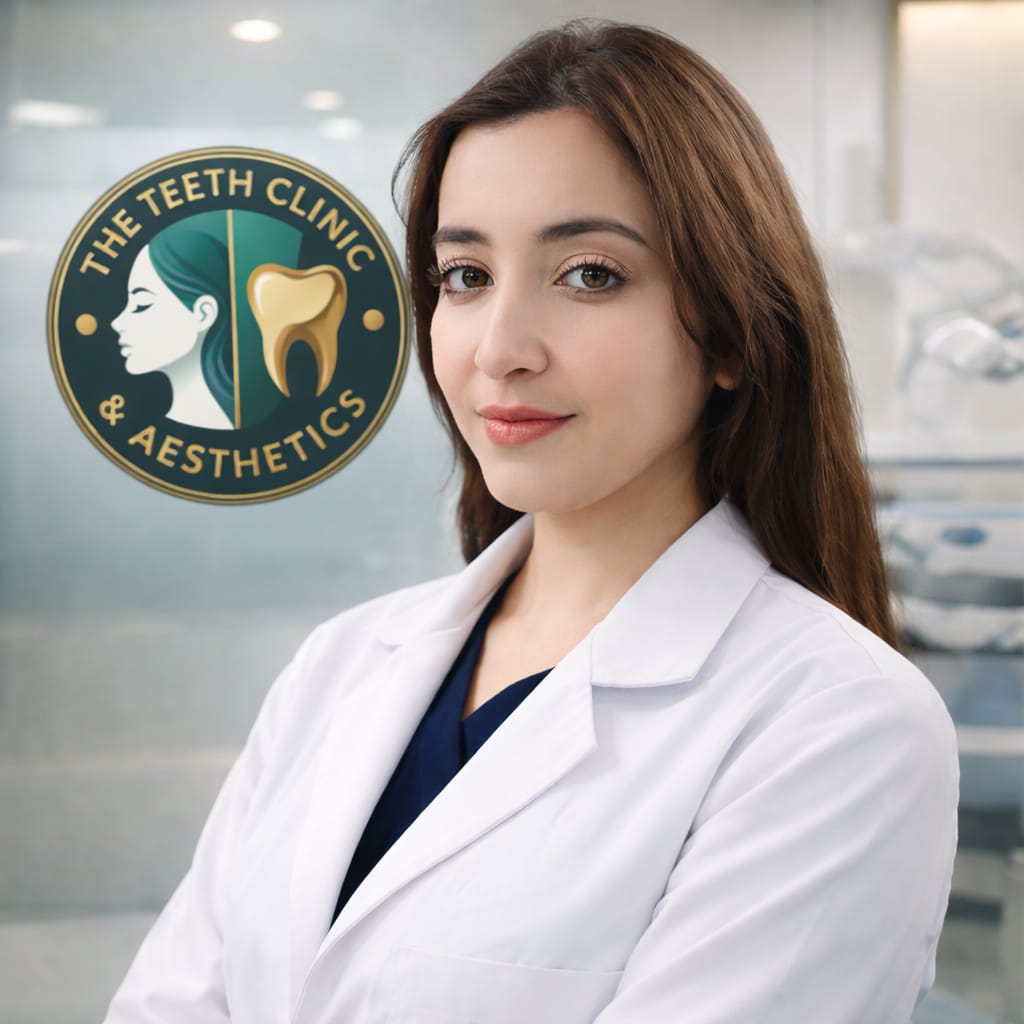
Dr. Afshan Pervez
Lead Dental Surgeon & Aesthetician | BDS, RDS, Orthodontist
Dr. Afshan Pervez is a leading expert in Dentistry and Regenerative Aesthetics with over 15 years of clinical experience. Specializing in the intersection of facial anatomy and structural orthodontics, she focuses on natural-looking rejuvenation. Dr. Pervez is a pioneer in autologous therapies, utilizing bio-fillers and exosomes to restore tissue health and biological capital.
Last reviewed: 30/04/2026