The Secret Frame: Why I Believe Gums Define the Smile
Direct Answer
Gum bleaching, technically known as gingival depigmentation, primarily uses laser technology to remove dark spots caused by melanin. While highly effective for creating a uniform pink appearance, it is considered a cosmetic treatment and is rarely covered by dental insurance.
I’ve spent a significant portion of my career obsessing over smiles, and I’ve come to a conclusion that might surprise you: those 'pearly whites' everyone talks about are only half the story.
In our practice, we often see that patients seeking gum depigmentation are frequently unaware of the impact of 'smoker’s melanosis.' We prioritize a comprehensive history to distinguish between benign genetic pigmentation and changes caused by external irritants or systemic medications. We find that laser treatment not only improves aesthetics but often encourages patients to maintain better oral hygiene to preserve their new 'pink' smile.
— Clinical Observation

In my experience, you can have the most expensive porcelain veneers in the world, but if the 'frame'—your gums—is distracting, the entire aesthetic falls flat. I like to think of the mouth as a gallery. You wouldn’t put a Da Vinci in a neon-orange plastic frame, would you? That is exactly how I view the relationship between teeth and gingival tissue.
I often see patients who are frustrated because their smiles feel 'off,' yet they can't quite pinpoint why. Usually, it’s a matter of hyperpigmentation. Dark, blotchy, or brownish spots on the gums can create a visual 'noise' that interrupts the harmony of the face. Gum bleaching, or what I prefer to call gingival depigmentation, is the art of restoring a uniform, healthy-looking pink tone. It isn’t just vanity. To me, it’s about recalibrating the 'pink-to-white' ratio to let the teeth truly shine without the interference of uneven pigmentation, much like how we address a gummy-smile-botox-correction.
What’s Actually Happening? My Take on the Biology
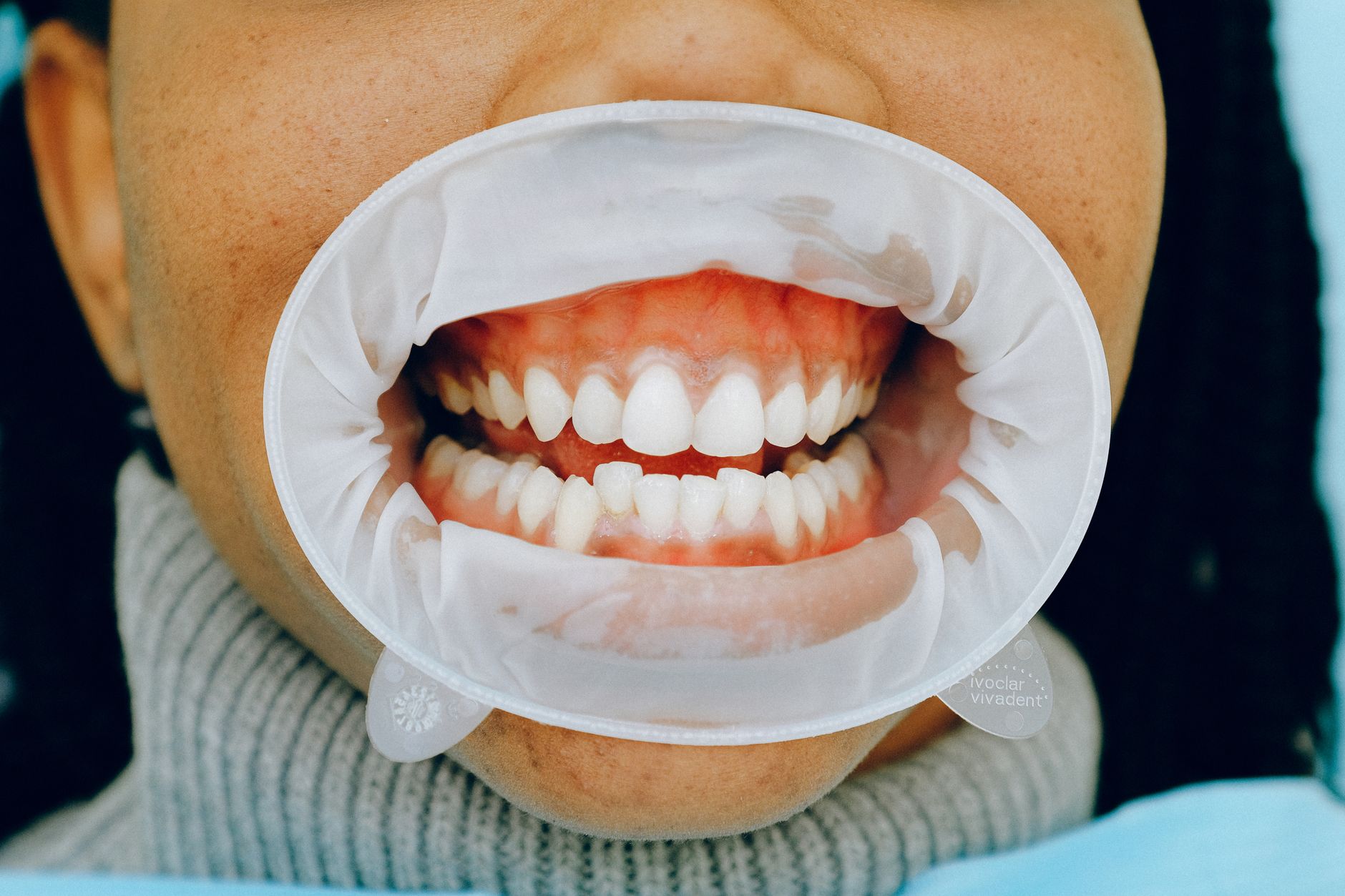
When I explain the 'why' behind dark gums, I usually start with melanin. It’s the same pigment that gives your skin and eyes their unique shades. In many of my patients—particularly those with Mediterranean, Middle Eastern, or African heritage—the melanocytes in the gum tissue are simply more active.
This is a natural genetic trait, not a pathology. However, biology is rarely that simple. I also have to account for environmental factors.
Take smoking, for instance. I see 'smoker’s melanosis' quite frequently. It’s a fascinating, if stubborn, defense mechanism where the nicotine triggers the body to produce more pigment to protect the tissue from heat and toxins. Then there are the pharmaceutical culprits. I’ve treated patients whose gum color changed as a side effect of antimalarials or specific antibiotics. It’s my job to play detective before I ever pick up a tool.
But here is a caveat I always emphasize: color isn't always cosmetic. If I see gums that look angry, inflamed, or suddenly bruised, I’m not thinking about bleaching; I’m thinking about signs-of-gum-disease. I will never perform an aesthetic procedure on tissue that isn't structurally sound. We ensure the gums are firm and healthy first, often starting with bleeding-gums-treatment. Only then do we move toward the 'art' side of the equation.
The Modern Toolkit: Why I Choose Lasers Over Scalpels
I’ll be honest: the 'old ways' of gum bleaching were a bit medieval. Before the laser revolution, we used microdermabrasion—which is essentially a polite word for using a rotating bur or a scalpel to scrape away the top layer of skin.

It worked, but the recovery was a slog. It was bloody, uncomfortable, and frankly, imprecise. I rarely see a reason to use those methods today when technology has given us such elegant alternatives.
In my practice, the laser—specifically something like a WaterLase or a CO2 laser—is the gold standard. I can target the melanin with the precision of a jeweler. The laser light vaporizes the pigment-producing cells almost instantly. But the real magic? It cauterizes as it goes. No bleeding. No sutures. A significantly lower risk of infection. The laser selectively targets and reduces the melanin in the gingival tissue, though long-term results can be influenced by lifestyle and genetic predisposition. It’s a touchless approach that preserves the delicate gingival architecture.
What to Expect When You’re in My Chair
I know the word 'bleaching' or 'laser' can sound intimidating. I get the 'Does it hurt?' question every single time. Most patients report minimal discomfort during the procedure due to local anesthesia, though some sensitivity may occur during the initial healing phase. I start with a potent topical numbing gel, followed by a local anesthetic. By the time I start the laser, the area is completely desensitized. Most of my patients tell me they just feel a slight vibration or the cool mist of the water spray. It’s a far cry from the dental trauma of the past.
The Financial Reality: Investing in Your Smile
Let’s talk numbers, because I believe in transparency. Gum bleaching is a specialized skill, and the equipment isn’t cheap.
On average, price depends on the complexity, the technology used, and the clinic's location.
One thing I must clarify: insurance companies almost never cover this. They see it as 100% cosmetic, much like teeth whitening. However, I often find that for the people who seek this out, the cost is a secondary concern compared to the massive boost in self-esteem they receive.
Life After the Procedure: The Recovery Phase
I tell my patients to be prepared for a bit of a 'funky'
Frequently Asked Questions
General
How much does gum bleaching cost?
How much does gum bleaching cost?
On average, gum bleaching costs between $600 and $1,500 per arch. A full-mouth procedure typically ranges from $1,200 to $3,000, depending on the complexity and technology used.
General
Is the gum bleaching procedure painful?
Is the gum bleaching procedure painful?
The procedure is generally painless. We use a potent topical numbing gel followed by a local anesthetic to ensure the area is completely desensitized before using the laser.
General
How long do the results of gum bleaching last?
How long do the results of gum bleaching last?
For most patients, gum bleaching is a permanent procedure. Results can last 20 years or a lifetime, provided the patient does not smoke, which can trigger repigmentation.
General
What is the recovery time for laser gum bleaching?
What is the recovery time for laser gum bleaching?
Recovery is very fast. While the gums may look slightly whitish for the first 48 hours, most patients return to normal activities immediately. We recommend avoiding spicy or crunchy foods for two days.
Key Takeaways
- Gingival depigmentation (gum bleaching) is a cosmetic procedure used to treat hyperpigmentation caused by melanin, genetics, or lifestyle factors like smoking.
- Laser therapy is the modern gold standard, offering a bloodless, precise, and faster recovery compared to traditional surgical scraping methods.
- The cost generally ranges from $600 to $3,000 depending on whether one or both arches are treated, and it is usually an out-of-pocket expense.
- A clinical assessment of gum health is mandatory; aesthetic procedures should only be performed on healthy, disease-free gingival tissue.
Dr. Afshan Pervez
Lead Dental Surgeon & Aesthetician | BDS, RDS, Orthodontist
Dr. Afshan Pervez is the Lead Dental Surgeon & Aesthetician at The Teeth Clinic, boasting over 14 years of clinical experience. A highly qualified professional with BDS and RDS credentials, she is also a specialized Orthodontist. Dr. Pervez has attained advanced international training, including an Integrated Masters in Portugal, implant dentistry in Hong Kong, and dental medicine in the USA. Her diverse expertise covers surgery, endodontics, prosthodontics, and aesthetic medicine.
Last clinically reviewed: 05/04/2026