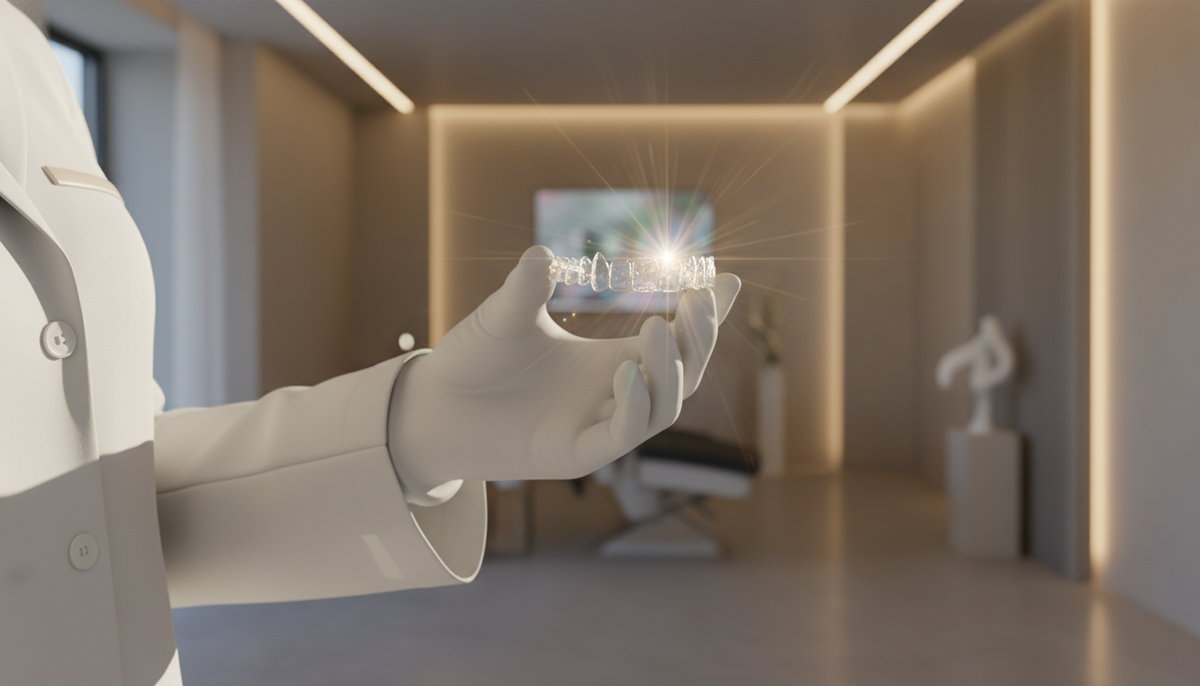
How Long Is the Retention Phase? Why I See It as Your Smile’s Life Insurance
Direct Answer
The retention phase begins with a critical 3-to-6-month period of full-time wear (22+ hours daily) to allow bone and ligaments to stabilize. Afterward, patients transition to nighttime wear. To ensure results last against natural age-related shifting, orthodontists now recommend a 'nighttime for a lifetime' approach for indefinite maintenance.
I still remember that surreal feeling—running my tongue over teeth that felt like smooth porcelain for the first time in two years. It’s a landmark moment. But here is the reality I always tell my patients: the day the brackets come off is just the end of the beginning. In the world of high-end aesthetics, we aren't just moving teeth; we are managing a biological transition. This is the retention phase, and frankly, I consider it the most critical chapter of the entire journey.
In our practice, we often see patients return years after their braces are removed with minor relapse, typically in the lower front teeth. This almost always occurs because of the outdated belief that retention ends after two years. We've found that a 'hybrid approach'—combining a fixed lingual wire with a removable clear retainer—yields the highest success rate in preventing these shifts.
— Clinical Observation

I often see people treat retainers like an optional accessory, but they are actually the insurance policy for your smile. Without them, the intricate work we’ve done can begin to unravel faster than you’d think. If you view your smile as a lifelong asset, you have to understand the 'why' behind the 'how long.' Understanding what is the difference between a general dentist and an orthodontist can help you appreciate the specialized care required during this phase.
The Invisible Battle: Why I Tell Patients Their Teeth Have a Memory
To get why retention takes so long, I have to explain what's happening under your gums. Your teeth aren't just sitting in sockets; they are anchored by a complex network of fibers called the periodontal ligament. During your treatment, I am essentially stretching these fibers and remodeling your jawbone. When the braces vanish, that bone is still soft. It’s pliable. Those ligaments have what I call 'elastic memory'—they are desperate to pull your teeth back to their old, crooked neighborhoods.

The first year is the most volatile. I call this the re-calcification window. The bone is hardening around the new root positions. If we don't hold them steady now, 'relapse' isn't just a possibility; it’s a mathematical certainty. This is especially true when correcting how do malocclusions affect temporomandibular joint function, as the entire bite structure needs time to stabilize.
My 90-Day Rule: The 'Danger Zone' for Stability
The first three months are, in my experience, the non-negotiable phase. I typically prescribe a 'full-time' schedule—at least 22 hours a day. The only time those retainers should leave your mouth is when you’re eating or brushing. Why so strict? Because the bone is at its most vulnerable. Think of it like wet cement; you don't want anyone walking across it until it's set.
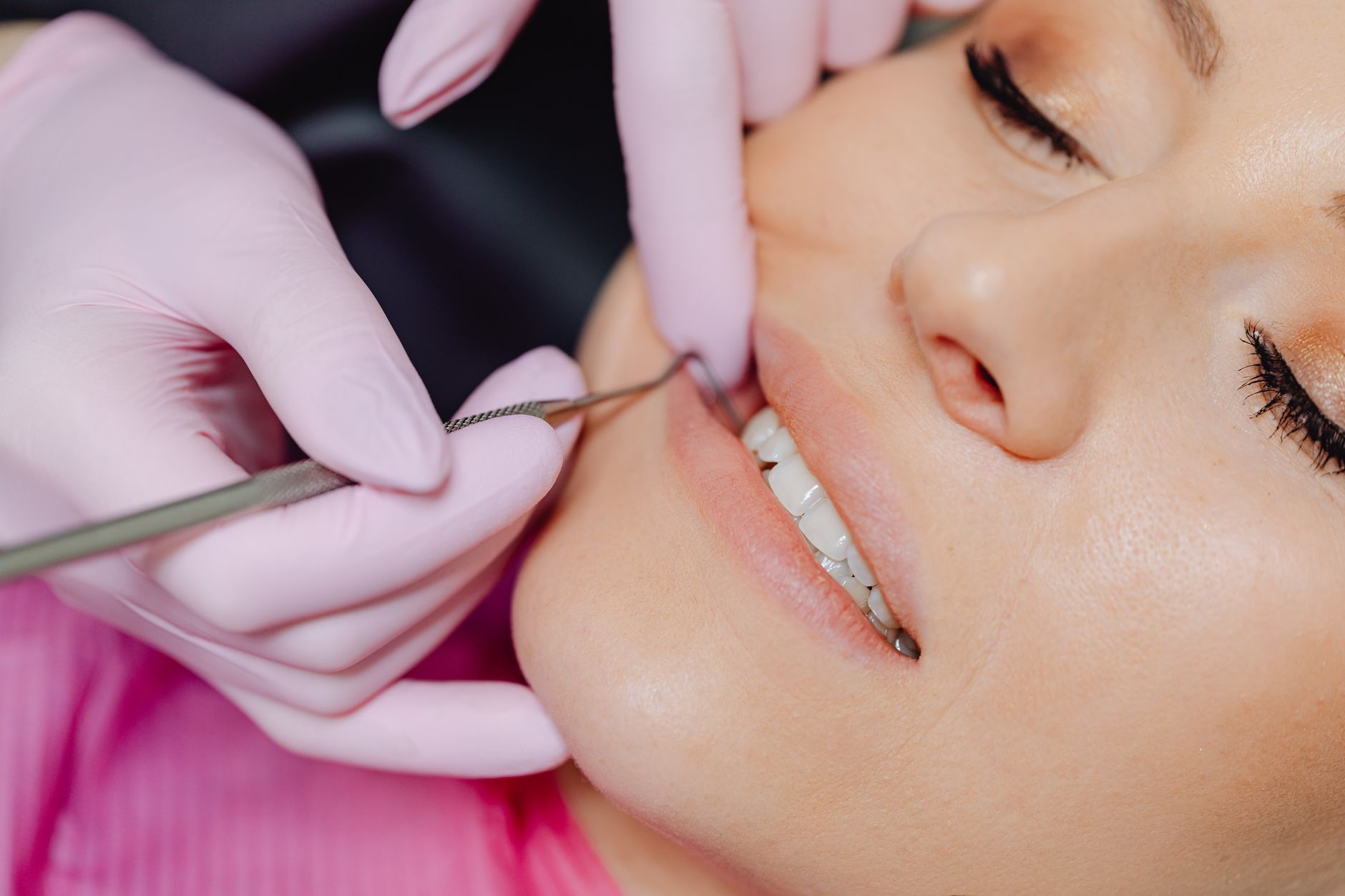
You might notice your bite feels a bit 'off' or different during this time. I call this settling. It’s actually a good thing. It’s the subtle way your upper and lower teeth find their most comfortable, natural fit. The real tell-tale sign? If you leave them out for even four hours and they feel tight when you put them back in, that’s your teeth trying to make a run for it. This phase is just as vital as the benefits of self-ligating braces used during active treatment.
Picking Your Gear: My Take on Removable vs. Fixed
I like to discuss hardware long before the 'de-bonding' day. We usually look at three paths, and I often recommend a mix based on your lifestyle.
- Essix Retainers: These are the clear ones. I love them for professionals because they’re invisible on a Zoom call. If you lose them, you should order a replacement Essix retainer immediately.
- Hawley Retainers: The old-school metal and acrylic style. They are incredibly durable and allow the bite to settle naturally.
- Fixed (Bonded) Retainers: This is a wire glued to the back of your teeth. I call this the 'safety net.'
What do I usually recommend? A hybrid approach. I like a bonded retainer on the bottom and a clear Essix on top for sleep. When considering the retainers after braces cost, remember that this is an investment in permanent results.

The 'Nighttime for a Lifetime' Philosophy
There is a persistent myth that you can stop wearing retainers after two years. I’m here to debunk that. Retention is indefinite. This isn't because the treatment failed, but because of a natural process called 'physiologic drift.' As we get older, our teeth naturally want to shift forward. By committing to 'nighttime for a lifetime,' you are preserving the best version of your visual identity.
What to Do When Life Happens: The 48-Hour Rule
I know life gets messy. Retainers get stepped on or left in hotel rooms. When that happens, you have 48 hours. That is my window for you to call me and get a replacement started. If you wait a month, your teeth will move. Even a millimeter of shift can mean your new retainer won't fit, and suddenly we're talking about extra costs. Trust the process, wear the hardware, and keep that investment locked in.

Frequently Asked Questions
General
How long do I need to wear my retainer full-time after braces?
How long do I need to wear my retainer full-time after braces?
The first three months are the most critical 'danger zone.' During this period, you should wear your retainer for at least 22 hours a day, removing it only for eating and cleaning, to allow the bone to harden around the new tooth positions.
General
Can I eventually stop wearing my retainer?
Can I eventually stop wearing my retainer?
No. To maintain your results, you should follow a 'nighttime for a lifetime' philosophy. Natural physiologic drift causes teeth to shift as we age, and wearing a retainer at night prevents this movement.
General
What should I do if I lose or break my retainer?
What should I do if I lose or break my retainer?
You should follow the 48-hour rule: contact your orthodontist within two days to start the replacement process. Waiting longer allows teeth to shift, which may require additional corrective treatment.
General
Which is better: a fixed or removable retainer?
Which is better: a fixed or removable retainer?
Both have benefits. Fixed retainers provide constant security, while removable Essix retainers are invisible and easier to clean. A hybrid approach—fixed on the bottom and removable on top—is often the most effective solution.
Key Takeaways
- The first 90 days are the 'danger zone' where bone is most pliable and relapse risk is highest.
- Teeth have 'elastic memory' due to periodontal fibers, which pull them toward their original positions.
- A hybrid retention strategy (fixed wire plus removable retainer) provides a dual-layer safety net.
- Retention is a lifelong commitment required to counteract natural physiologic drift as we age.
- Lost or damaged retainers should be replaced within 48 hours to prevent measurable tooth movement.

Dr. Afshan Pervez
Lead Dental Surgeon & Aesthetician | BDS, RDS, Orthodontist
Dr. Afshan Pervez is the Lead Dental Surgeon and Aesthetician at The Teeth Clinic, bringing over 14 years of clinical expertise to the practice. A graduate with BDS and RDS credentials and a specialization in Orthodontics, she has pursued extensive international training including an Integrated Masters in Portugal and advanced studies in Dental Medicine in the USA and Implant Dentistry in Hong Kong. Her multidisciplinary background spans Surgery, Endodontics, and Aesthetic Medicine, allowing her to provide comprehensive, high-end care for complex orthodontic and cosmetic cases.
Last clinically reviewed: 05/04/2026