
Redefining the Temporary Smile
Direct Answer
The best alternatives to Snap-On Smile include lab-direct clip-on veneers for affordability, ultra-thin digital veneers for precision fit, and professional composite bonding for a semi-permanent aesthetic upgrade. For those seeking long-term results, porcelain micro-veneers and medical-grade acetyl resin appliances offer superior durability, light reflection, and anatomical comfort compared to traditional removable models.
The landscape of cosmetic dentistry has undergone a quiet but profound transformation over the last decade. Gone are the days when a radiant smile required either a massive financial inheritance or the invasive shaving of healthy tooth enamel. As we move further into an era of personalized aesthetics, the demand for removable dental appliances has skyrocketed, leading to a sophisticated evolution of the "temporary smile." While the original Snap-On Smile paved the way for accessible smile makeovers, modern patients are increasingly discerning. They are looking for more than just a quick fix; they are seeking a balance of anatomical precision, comfort, and the subtle interplay of light that characterizes natural teeth.
In our practice, we often see patients who initially seek temporary removable veneers but ultimately find that chairside composite bonding or micro-veneers offer a more functional result. While removable appliances are excellent for short-term aesthetic goals, they often struggle with occlusal harmony and can trap plaque if worn continuously, highlighting the importance of professional oversight during any smile transformation. Hence most shift to permenant veneers.
— Clinical Observation

The shift away from traditional Snap-On Smile models often stems from a desire for a less bulky profile. Many early iterations of removable veneers suffered from a "one-size-fits-most" thickness that could impede speech or create an unnaturally protruding lip line. Today’s alternatives prioritize high-density materials and digital workflows, ensuring that the appliance sits flush against the gum line.

The process is most successful when based on professional intraoral scans or impressions taken by a dental clinician. When these impressions return to the lab, technicians use high-density polymers to create a clip-on veneer that is remarkably thin yet structurally sound. This material density is crucial; it allows for a more natural profile that doesn't add unnecessary volume to the arch.
1. Ultra-Thin Digital Veneers
Technology has been the greatest ally of the modern smile. Ultra-thin digital veneers represent the pinnacle of this technological integration. By utilizing 3D intraoral scanning and CAD/CAM, manufacturers can now produce veneers that are measured in fractions of a millimeter. This precision engineering addresses the two biggest complaints of traditional removable smiles: bulkiness and speech interference.
2. Professional Composite Bonding
For those who want a more permanent feel without committing to the irreversibility of traditional porcelain veneers, professional composite bonding is a masterful alternative. This is a chairside procedure where a dentist artistically sculpts a resin material directly onto your existing teeth. It is a semi-permanent solution that requires minimal tooth preparation, ensuring the vast majority of your natural tooth structure is preserved. This is often a preferred method for gaps between teeth treatment.
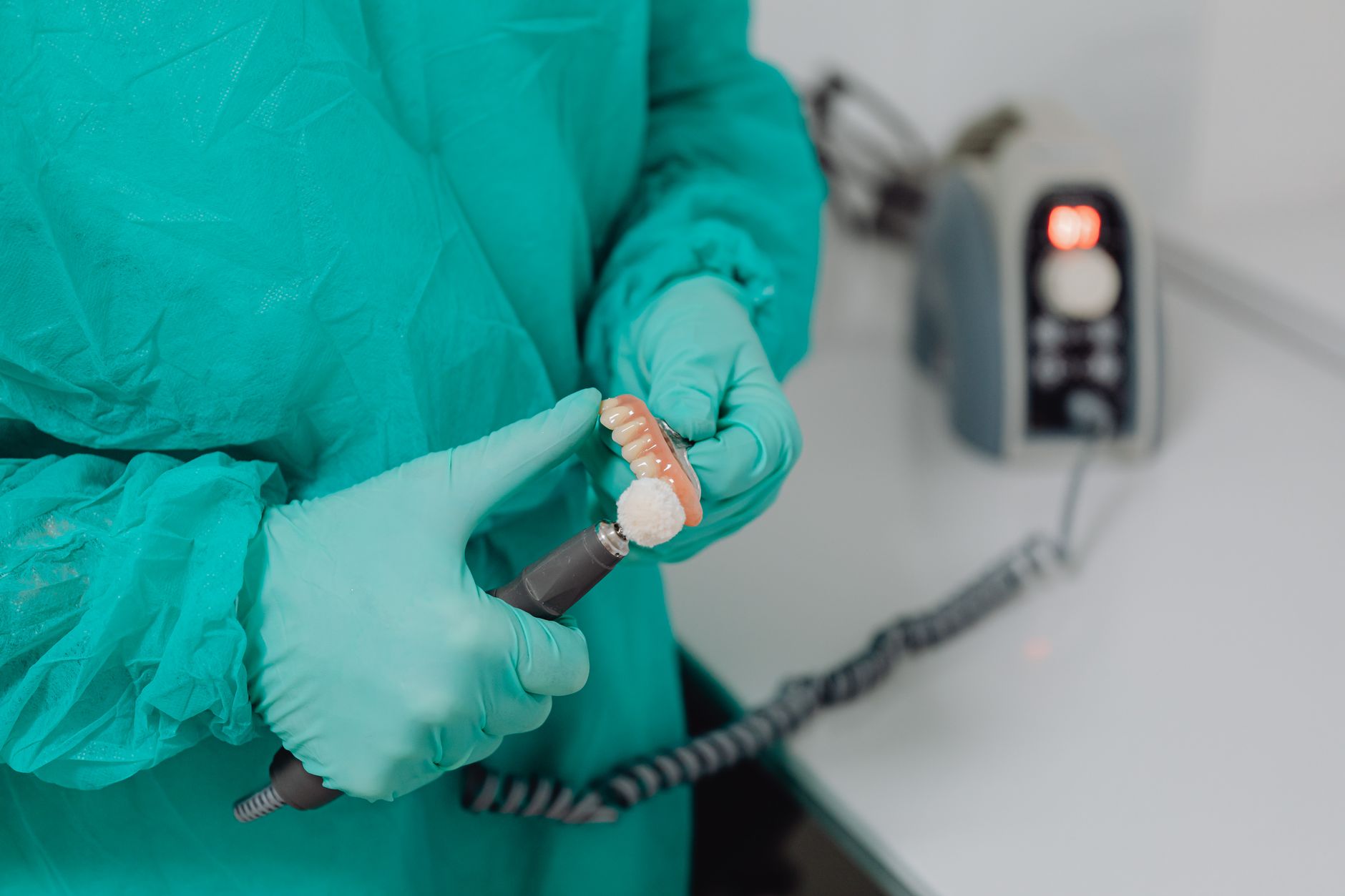
The beauty of bonding lies in its artistry. Because it is performed "live," the dentist can adjust the shape, length, and shade in real-time to complement your facial symmetry. It is particularly effective for repairing chips or masking localized staining.
3. Press-On Cosmetic Contouring
Sometimes, the goal isn't a full-mouth reconstruction but a targeted enhancement. Press-on cosmetic contouring focuses specifically on the "social six"—the six teeth in the front that are most visible when you laugh or speak. These are ideal temporary veneers for a wedding or high-impact events where you need an aesthetic "pop" for photography.
4. Medical-Grade Acetyl Resin Appliances
Durability is often the Achilles' heel of removable veneers. Enter medical-grade acetyl resin. This material is a staple in restorative dentistry because it possesses a unique combination of strength and flexibility. Unlike rigid plastics, acetyl resin has "thermal-flex" properties, meaning it becomes slightly more pliable when it reaches body temperature.

This flexibility allows the appliance to "snap" into place more securely, gripping the natural undercuts of the teeth without putting undue pressure on the gums. It serves as a durable option for regular use, provided it is coupled with rigorous oral hygiene and professional monitoring.
5. Porcelain Micro-Veneers
While many seek alternatives to Snap-On Smile because they want a removable option, others realize they are ready for the "gold standard" of aesthetics. Porcelain micro-veneers serve as the premium transition from temporary to permanent. When comparing porcelain crowns vs veneers, micro-veneers are the least invasive option, often requiring minimal to no tooth preparation.

6. Hybrid Instant Smile Kits
On the more accessible end of the spectrum are hybrid instant smile kits. These are designed for immediate needs where time or budget constraints are the primary factors. Modern versions have improved significantly by incorporating thermoplastic liners, allowing the user to soften the internal material in hot water and mold it to their specific dental arch for a much-improved fit.
Choosing the right alternative involves a careful evaluation of your daily lifestyle and long-term goals. Consulting with an aesthetic specialist is always recommended. You can schedule smile consultation to ensure your underlying dental health is stable enough to support these enhancements.
Frequently Asked Questions
General
What is the most natural-looking alternative to a Snap-On Smile?
What is the most natural-looking alternative to a Snap-On Smile?
Ultra-thin digital veneers and porcelain micro-veneers are considered the most natural-looking alternatives. They use CAD/CAM technology and high-quality ceramics to mimic the translucency and light-reflecting properties of natural tooth enamel.
General
Can I eat while wearing removable clip-on veneers?
Can I eat while wearing removable clip-on veneers?
While some high-density materials like medical-grade acetyl resin are durable enough for light eating, most dental professionals recommend removing clip-on appliances during meals to prevent damage and maintain oral hygiene.
General
Do Snap-On Smile alternatives cause a lisp?
Do Snap-On Smile alternatives cause a lisp?
Traditional thick models often caused speech interference. However, modern digital veneers are engineered to be ultra-thin (measured in fractions of a millimeter), which significantly reduces the impact on speech and the tongue's movement.
General
How long do professional composite bonding results last?
How long do professional composite bonding results last?
Professional composite bonding typically lasts between 5 to 7 years. Unlike removable options, it is a semi-permanent solution that is sculpted directly onto your teeth by a dentist.
Key Takeaways
- Modern clip-on alternatives utilize high-density polymers to achieve a thinner, more natural profile than early iterations.
- Digital 3D scanning and CAD/CAM manufacturing have significantly reduced common issues like bulkiness and speech interference.
- Professional composite bonding provides a non-invasive, chairside solution for correcting minor gaps and chips without irreversible enamel removal.
- Medical-grade acetyl resin offers 'thermal-flex' properties, providing a more secure and comfortable grip on natural teeth for daily wear.
- A professional consultation is vital to ensure that any cosmetic appliance does not mask or exacerbate underlying periodontal or restorative health issues.
Dr. Afshan Pervez
Lead Dental Surgeon & Aesthetician | BDS, RDS, Orthodontist
Dr. Afshan Pervez is the Lead Dental Surgeon and Aesthetician at The Teeth Clinic, bringing over 14 years of clinical experience. Holding a BDS and RDS, she is a specialist Orthodontist with extensive postgraduate training in Integrated Masters (Portugal), Implant Dentistry (Hong Kong), and Dental Medicine (USA). Her expertise spans advanced Surgery, Endodontics, and Cosmetic Dentistry, alongside certifications in Aesthetic Medicine including PRP and facial treatments.
Last clinically reviewed: 03/04/2026