The Complete Guide to Temporary Veneers for a Wedding
Direct Answer
Temporary veneers for a wedding are short-term cosmetic restorations designed to enhance your smile for photography and celebrations. Typically made from acrylic or composite resin, they provide a 'trial run' of your final smile design, allowing you to evaluate the shape, shade, and comfort before committing to permanent porcelain restorations.
Your wedding day is often described as the most photographed day of your life. From the intimate 'getting ready' shots to the grand entrance, the camera remains fixed on the couple. While the dress and venue are planned, many realize too late that their smile is the focal point. This leads to an interest in temporary veneers—a sophisticated cosmetic solution for those not yet ready for a permanent transformation.
In our practice, we often see patients who prioritize the aesthetics of temporary veneers but overlook the phonetic adjustment period. We recommend a minimum of two weeks before the wedding day to allow the tongue to adapt to changes in tooth length or thickness, ensuring your speech remains natural during the exchange of vows.
— Clinical Observation

The Wedding Photo Stakes: Why Your Smile is Your Best Accessory
Modern wedding photography captures every minute detail. While retouching can fix a blemish, altering a smile in every frame is impossible. A small chip or gap can become a distraction. Temporary veneers offer a way to harmonize the face, closing diastemas or lengthening worn teeth. When you know your teeth look their best, your smile becomes more natural, which is vital for your trial smile appointment.
Trial Run vs. Quick Fix: Understanding Your Options
Professional lab-fabricated temporaries are part of a larger porcelain veneer plan, offering a secure fit and natural contour. In contrast, DIY 'snap-on' smiles often appear bulky and interfere with speech. For the discerning bride, professional temporaries act as a 'test drive' for future porcelain crowns vs veneers decisions.

The Timeline: When to Schedule Your Fitting
Timing is critical. The 'Two-Week Rule' is standard because gums need time to heal. You want healthy pink tissue, not inflammation, for close-ups. Furthermore, adding length to teeth affects speech; 14 days allows your tongue to calibrate for your vows. If you are also considering teeth whitening for sensitive teeth, this must be coordinated even earlier.

Eating, Drinking, and Toasting: Functionality During the Reception
Temporary veneers are made of acrylic or composite resin, which is more porous than enamel. To prevent dislodging, avoid biting directly into hard foods. Use a knife and fork for the main course. Be mindful of staining liquids like red wine; rinsing with water can help maintain that bright shade. If you have a dental cantilever bridge, similar care should be taken during the meal.
Achieving the Natural Look: Avoiding the 'Chicklet' Effect
To avoid teeth that look too white or square, communication regarding shade and translucency is key. Natural teeth are more opaque at the neck and translucent at the edge. A skilled dentist will incorporate these nuances. This is especially important when treating peg lateral treatment options to ensure a balanced smile.

The Emergency Kit: Handling Mid-Wedding Mishaps
Accidents happen. If a temporary veneer dislodges, keep it safe and contact your dentist immediately for a professional re-cementation to ensure proper fit. Do not use superglue. If a mishap occurs, contact your clinic immediately; many offer priority for emergency tooth repair for wedding events.
Investment and Maintenance: Keeping Your Smile Bright
Consult with your dental provider regarding their specific pricing structure for cosmetic consultations and temporary restorations. Maintenance involves using a soft-bristled brush and avoiding abrasive pastes. Because they are often splinted, you may need specialized tools, similar to how one would properly use interdental brushes. After the honeymoon, you'll transition to permanent restorations, carrying your joy forward.

Frequently Asked Questions
General
How long before my wedding should I get temporary veneers?
How long before my wedding should I get temporary veneers?
We recommend the 'Two-Week Rule.' Scheduling your fitting at least 14 days before the ceremony allows your gums to heal from any irritation and gives your speech time to adjust to the new tooth shape.
General
Can I eat normally at my wedding reception with temporary veneers?
Can I eat normally at my wedding reception with temporary veneers?
While durable, temporary veneers are more brittle than porcelain. It is best to avoid biting directly into hard foods like crostini. Use a knife and fork for the main course and stick to softer hors d'oeuvres.
General
What should I do if a temporary veneer comes off during the wedding?
What should I do if a temporary veneer comes off during the wedding?
Keep a small emergency kit with high-quality denture adhesive. If one dislodges, dry the tooth and the veneer, apply a small dot of adhesive, and press it back into place until you can see your dentist.
General
Will temporary veneers look fake in high-definition wedding photos?
Will temporary veneers look fake in high-definition wedding photos?
Professional lab-fabricated temporaries are designed to look natural. By managing translucency and the gum-line margin, an expert dentist ensures they look like a better version of your natural teeth, not 'Chicklets'.
Key Takeaways
- Schedule your fitting at least two weeks before the wedding to allow for gum healing and speech adjustment.
- Professional temporaries serve as a functional blueprint for your permanent smile design.
- Maintain a 'soft food' diet and avoid staining liquids like red wine to protect the porous acrylic material.
- Never use household adhesives for dental repairs; always seek professional assistance for dislodged veneers.
- Temporaries require specialized hygiene techniques, such as using interdental cleaners for splinted units.
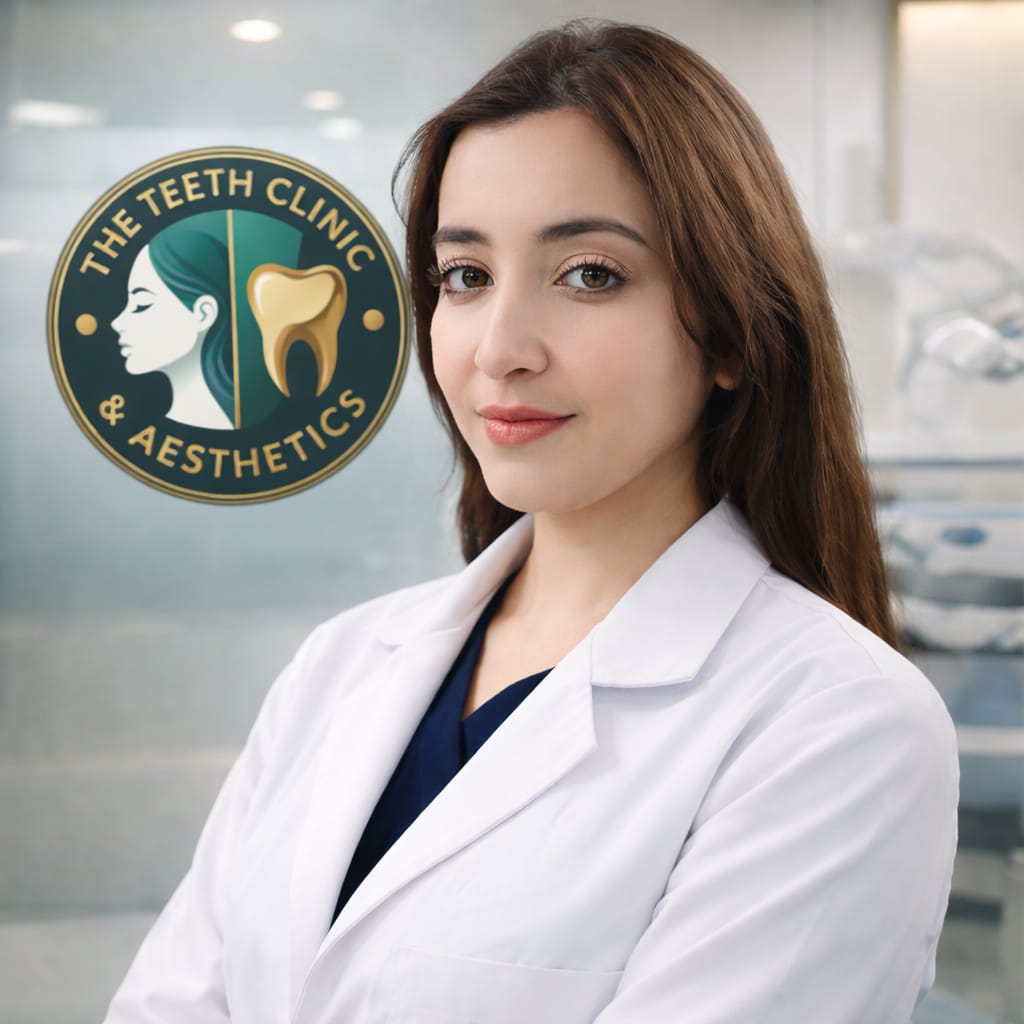
Dr. Afshan Pervez
Lead Dental Surgeon & Aesthetician | BDS, RDS, Orthodontist
Dr. Afshan Pervez is the Lead Dental Surgeon & Aesthetician at The Teeth Clinic with over 14 years of clinical experience. Holding credentials including BDS, RDS, and an Integrated Masters from Portugal, she is a specialist in Orthodontics and Cosmetic Dentistry. Her global training spans the USA, Hong Kong, and Denmark, encompassing surgery, endodontics, and aesthetic medicine.
Last clinically reviewed: 04/04/2026