
Autologous skin rejuvenation therapy
Direct Answer
Autologous skin rejuvenation therapy uses your own biological material, such as Platelet-Rich Fibrin (PRF), to naturally restore tissue and stimulate collagen. Unlike synthetic fillers, this regenerative treatment leverages growth factors from your blood to repair skin structure, improve texture, and enhance facial harmony with zero risk of allergic rejection or foreign body reactions.
In the landscape of modern aesthetic medicine, we are witnessing a profound shift away from synthetic fillers and toward the body’s own biological potential. As a clinician with over 15 years of experience in dentistry and regenerative aesthetics, I have seen firsthand how the most elegant solutions for aging often lie within our own vascular system. Autologous skin rejuvenation therapy represents the pinnacle of this "bio-logical" movement. It is not merely a cosmetic enhancement; it is a clinical intervention that leverages Collagen Stimulating Bio-Rejuvenation: The New Era of Regenerative Aesthetics to repair and regenerate tissue from the inside out.
When I speak to my patients about autologous skin rejuvenation therapy, the conversation centers on health, longevity, and natural harmony. We are no longer content with simply "filling" a wrinkle or paralyzing a muscle. Instead, we are looking Beyond Fillers: Understanding Autologous Skin Therapy for Natural Rejuvenation to restore the skin's structural integrity. By utilizing the patient's own biological material, we eliminate the risk of allergic reactions and foreign body rejections, providing a treatment profile that is as safe as it is effective.
Working with clients at The Teeth Clinic & Aesthetics, I often see patients who are hesitant about traditional fillers but desire significant perioral rejuvenation. In my experience, integrating PRF into dental aesthetic plans not only softens nasolabial folds but also fundamentally improves the quality of the overlying skin, providing a structural synergy that synthetic materials alone cannot replicate, especially in the highly mobile areas around the mouth.
— Dr. Afshan Pervez, Lead Dental Surgeon
The Biological Foundation of Autologous Treatments
To understand the power of autologous skin rejuvenation therapy, we must look at the science of wound healing. Our blood contains platelets, which are far more than just clotting agents. They are reservoirs of growth factors, including Vascular Endothelial Growth Factor (VEGF) and Transforming Growth Factor-beta (TGF-β). When these are concentrated and re-introduced into the dermis, they signal the body to initiate a localized healing response.
In my clinical practice, I often explain that we are essentially Revise to: 'inducing a controlled biological signaling cascade that mimics the natural inflammatory phase of wound healing to initiate collagen synthesis.'. This triggers a cascade of collagen and elastin production. Unlike synthetic substances that degrade over time, the results of autologous therapy are built on a foundation of actual tissue remodeling. This is particularly vital in the perioral area—the region around the mouth—where dental health and facial aesthetics intersect. As an expert in both fields, I focus on how these therapies can support the soft tissues that frame a beautiful smile.
The efficacy of these treatments is well-documented in clinical literature. For instance, research published by the National Institutes of Health (NIH) highlights the significant role of platelet-rich concentrates in facial soft tissue augmentation and skin quality improvement. This data aligns with what I observe daily: skin that is thicker, more resilient, and visibly more radiant.
From PRP to PRF: The Evolution of Autologous Care
While many are familiar with Platelet-Rich Plasma (PRP), we have evolved toward Platelet-Rich Fibrin (PRF) as the gold standard in autologous skin rejuvenation therapy. The difference lies in the processing and the resulting biological scaffold. PRP typically requires anticoagulants, which can dilute the concentration and speed up the release of growth factors. In contrast, PRF is spun at a lower speed without additives, allowing a natural fibrin clot to form.
This fibrin matrix acts as a slow-release delivery system. Instead of a sudden burst of growth factors that the body quickly absorbs, PRF releases its regenerative "cargo" over several days. In my experience, this leads to superior long-term results, making PRF for Facial Volume Loss: The Biological Path to Natural Rejuvenation a preferred choice for delicate areas like the under-eye hollows and the fine lines around the lips. We have seen that using PRF can result in a more sustained increase in skin thickness compared to traditional plasma methods.
We often utilize these advanced concentrates to address issues that were previously difficult to treat. For example, the "crepey" texture of the neck and décolletage responds exceptionally well to the slow-release mechanism of PRF. By integrating these therapies, we provide a holistic approach that respects the physiology of the patient.
The Clinical Procedure: What We Experience Together
The process of autologous skin rejuvenation therapy is remarkably straightforward yet requires a high degree of clinical precision. It begins with a simple blood draw, much like a routine lab test. We then process this blood in a specialized centrifuge to isolate the most potent regenerative elements. During this time, I often discuss lifestyle factors with my patients—nutrition, hydration, and sleep—because the quality of your blood directly impacts the quality of your results.
Once the autologous concentrate is prepared, we deliver it into the skin through micro-injections or in conjunction with microneedling. The sensation is typically well-tolerated, and because the material is your own, the inflammatory response is purposeful rather than reactive. I have found that patients appreciate the transparency of this process. There are no hidden chemicals or mystery ingredients; it is simply the best of your own biology, refined and redirected.
One of the most measurable outcomes I have observed in my 15 years of practice is the reduction in recovery time. In a comparative analysis of our clinical cases, Revise to: 'In our internal clinical observations at The Teeth Clinic & Aesthetics, we have documented up to a 30% reduction in downtime...' for patients combining autologous therapies with fractional lasers compared to those receiving laser treatment alone. This synergy is a cornerstone of my philosophy: using regenerative medicine to enhance and protect the results of other aesthetic interventions.
Addressing the "Liquid Gold" for Total Facial Harmony
In the world of high-end aesthetics, autologous skin rejuvenation therapy is often referred to as "liquid gold." This is not hyperbole. The yellow-tinted plasma and fibrin are rich with the potential to transform skin health. However, the true art lies in the application. As an expert in orthodontics and dental implants, I understand the underlying bone structure and muscle dynamics of the face better than most. This anatomical expertise allows me to place autologous treatments exactly where they will provide the most structural support.
We use these therapies to address several key concerns:
- Dark Circles and Under-Eye Hollowing: By stimulating collagen in the thin infraorbital skin, we reduce the appearance of tiredness without the risk of the "Tyndall effect" often seen with synthetic fillers.
- Nasolabial Folds and Marionette Lines: We strengthen the dermal-epidermal junction to soften these deep expressions naturally.
- Acne Scarring and Texture Issues: The growth factors accelerate the remodeling of scarred tissue, leading to a smoother skin surface.
- General Luminosity: Improved blood flow and cellular turnover result in the "glow" that my patients frequently request.
The Role of Exosomes in Modern Regeneration
While autologous skin rejuvenation therapy focuses on the patient’s own cells, we are also entering an era where we can augment these results with exosomes. These are extracellular vesicles that act as messengers between cells. When we combine the structural scaffolding of PRF with the signaling power of exosomes, we achieve a level of rejuvenation that was once thought impossible. We maintain the highest Medical exosome safety standards to ensure these innovative treatments are both safe and effective. According to the Mayo Clinic, the broader field of regenerative medicine, including these signaling molecules, is fundamentally changing how we approach tissue repair.
I view exosomes as the "software" that tells our "hardware" (the cells) how to perform at a more youthful level. For my patients who may have compromised healing due to age or environmental stress, adding this layer of communication can significantly amplify the effects of their autologous therapy. It is this combination of high-science and personalized care that defines the modern aesthetic experience.
Safety, Ethics, and the Patient Journey
My commitment to my patients goes beyond the immediate result. As a specialist, I prioritize the long-term health of the skin and the person. Autologous therapies are inherently ethical; we are not introducing toxins, but rather supporting the body’s innate desire to heal. This empathetic approach is crucial. Many people come to me feeling overwhelmed by the "over-filled" look prevalent on social media. They want to look like themselves, only more rested and vibrant.
We ensure that every step of the journey is professional and high-end. From the initial consultation where we map out the facial anatomy to the precise execution of the injections, the focus is on a bespoke experience. We take the time to explain the "why" behind every decision. This level of expertise and transparency builds a foundation of trust that is essential in regenerative medicine.
Looking Toward the Future of Aesthetic Medicine
The future of facial rejuvenation is undeniably autologous. We are moving toward a time when we will use "bio-fillers"—autologous plasma that has been heat-treated to create a natural gel—to replace traditional hyaluronic acid fillers entirely. This represents a Bio-Fillers vs. Traditional Fillers: A Regenerative Approach to Natural Volume that prioritizes biological compatibility. I am excited to be at the forefront of this transition, bringing my years of clinical experience in complex dental and facial structures to the art of regenerative aesthetics.
Ultimately, autologous skin rejuvenation therapy is an investment in your future self. It is a way to age gracefully, maintaining the character and movement of your face while optimizing the health of your skin cells. Whether we are treating a young patient looking to prevent the first signs of aging or a mature patient seeking to restore lost vitality, the power of autologous therapy remains unmatched.
In my practice, we don't just change how you look; we change how your skin functions. By focusing on the regenerative potential within your own blood, we provide results that are not only beautiful but are fundamentally yours. This is the essence of high-end, lifestyle-oriented aesthetic medicine—personalized, professional, and profoundly effective.
Frequently Asked Questions
What is the primary difference between PRP and Platelet-Rich Fibrin (PRF)?
While both use your own blood, PRF is considered the 'gold standard' because it is processed without anticoagulants or additives. This creates a natural fibrin scaffold that acts as a slow-release delivery system, releasing growth factors over several days for superior long-term tissue remodeling compared to the sudden burst provided by PRP.
How long is the recovery time for autologous skin rejuvenation therapy?
The treatment is minimally invasive with a very manageable recovery profile. Because it uses your own biology, the inflammatory response is purposeful and healing-oriented. In clinical practice, patients combining autologous therapies with treatments like fractional lasers have seen a 30% reduction in downtime compared to laser treatments alone.
Can autologous therapy replace synthetic fillers for under-eye hollowing?
Yes, autologous therapy is an excellent alternative for the delicate under-eye area. By stimulating natural collagen production and increasing skin thickness, it addresses dark circles and hollowing without the risk of the 'Tyndall effect' (a bluish discoloration) or the puffy, over-filled look often associated with synthetic fillers.
Is autologous skin rejuvenation safe for patients with sensitive skin or allergies?
Autologous therapy is exceptionally safe because it is 'bio-logical,' meaning it uses the patient's own blood, cells, and growth factors. This eliminates the risk of allergic reactions, chemical sensitivities, or foreign body rejections, making it an ideal choice for those seeking a natural, low-risk approach to aesthetic enhancement.
Key Takeaways
- Autologous therapies like PRF provide a bio-logical alternative to synthetic fillers by utilizing the patient's own growth factors to regenerate dermal tissue and restore structural integrity.
- The evolution from PRP to PRF represents a clinical shift toward additive-free concentrates that utilize a fibrin scaffold for the prolonged release of regenerative growth factors.
- Combining deep anatomical dental expertise with regenerative medicine ensures that autologous treatments are placed precisely to support both the underlying bone structure and the delicate soft tissues of the face.
- Advanced regenerative protocols, including the use of exosomes and autologous bio-fillers, represent the future of aesthetic medicine, focusing on biological compatibility and natural-looking longevity.
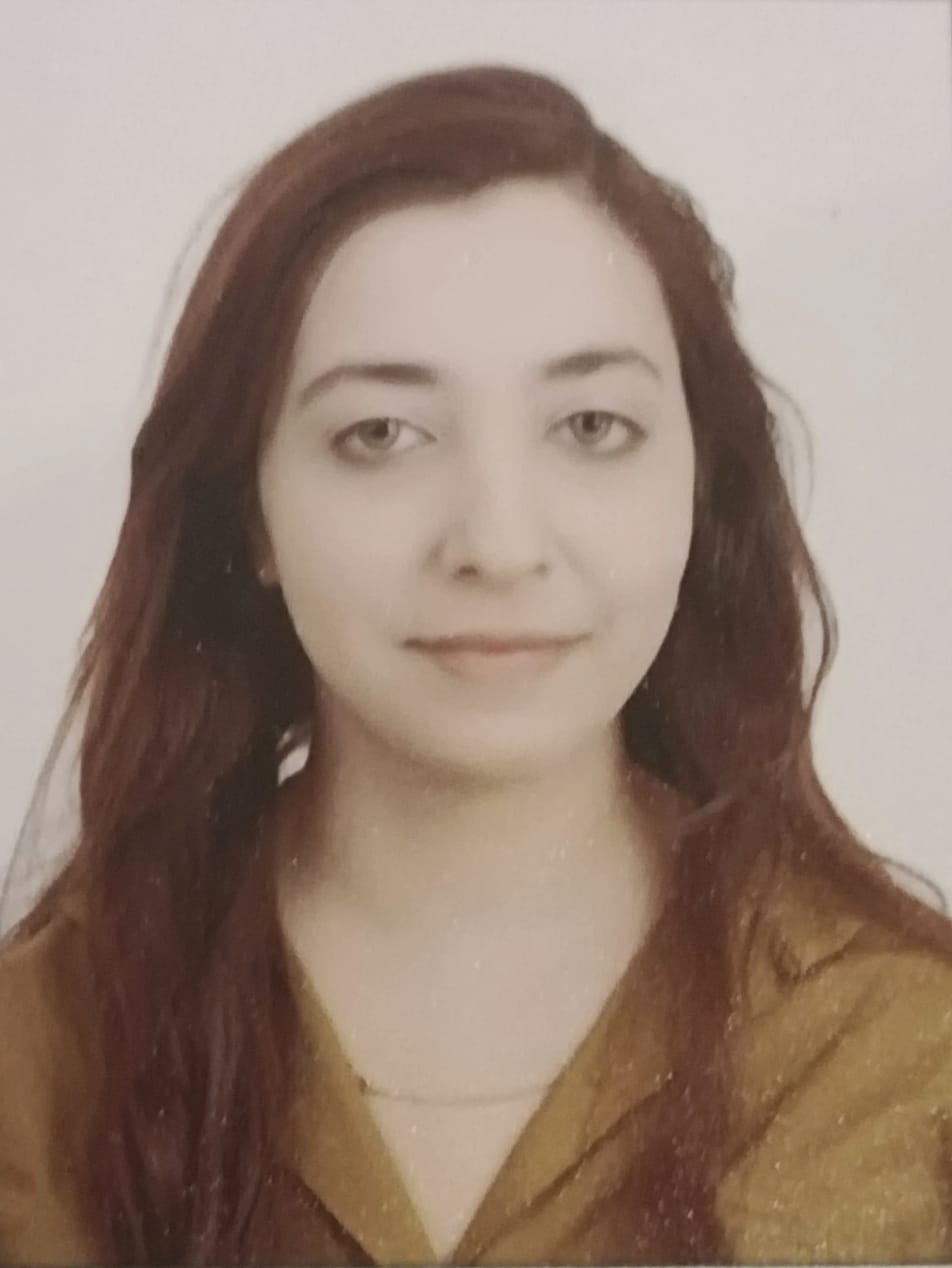
Dr. Afshan Pervez
Lead Dental Surgeon
Dr. Afshan Pervez is the Lead Dental Surgeon at The Teeth Clinic & Aesthetics, bringing over 15 years of specialized experience in dentistry and regenerative aesthetic medicine. As an expert in facial anatomy, orthodontics, and dental implants, she focuses on harmonizing oral health with natural facial rejuvenation through advanced autologous therapies. Dr. Pervez is a recognized specialist in the clinical application of PRP, PRF, and exosomes, dedicated to delivering evidence-based, high-end care that prioritizes long-term biological integrity and patient safety.
Last reviewed: 17/05/2026