

How Does an Apicoectomy Save a Tooth with a Failing Root Canal?
Direct Answer
An apicoectomy saves a tooth by surgically removing the infected root tip (the apex) and the surrounding inflamed tissue that a standard root canal cannot reach. By sealing the root end with biocompatible material, it eliminates persistent bacterial reservoirs in the complex 'apical delta,' preventing extraction and preserving your natural smile.
Investing in your oral health is an investment in your overall quality of life. For many, a root canal is the final line of defense, a procedure designed to clear out infection and seal a tooth against future decay. However, despite the high success rates of modern endodontics, a small percentage of patients find themselves facing a frustrating reality: the return of discomfort or a persistent shadow on a follow-up X-ray. When a standard root canal fails to resolve an infection, it can feel like the only remaining option is extraction. Fortunately, advanced dental science offers a sophisticated alternative known as an apicoectomy.
In our practice, we often see patients who feel they have reached a dead end when a repeat root canal doesn't resolve their symptoms. Using high-magnification microsurgery, we frequently discover microscopic accessory canals or apical deltas that were invisible on standard 2D X-rays. Seeing the radiographic evidence of bone regeneration at the six-month follow-up confirms that the tooth's foundation has been successfully stabilized.
— Clinical Observation

The realization that a previous treatment hasn't fully succeeded is often met with a mix of disappointment and anxiety. It is important to understand that a failing root canal is rarely a reflection of the initial dentist's skill. Instead, it is frequently a result of the complex, often unpredictable nature of human anatomy. Every tooth is a unique biological structure, and sometimes, the very tip of the root hides microscopic secrets that traditional methods simply cannot reach. This is where the precision of an apicoectomy becomes the bridge between losing a tooth and preserving your natural smile for decades to come.
The Unexpected Hurdle of a Failing Root Canal
When you undergo a root canal, the goal is to remove the dental pulp—the soft tissue containing nerves and blood vessels—and seal the interior of the tooth. It is a highly effective procedure, yet the human body is rarely a series of straight lines and simple shapes. Sometimes, despite a perfectly executed treatment, bacteria can remain trapped in tiny crevices. This leads to what clinicians call "post-treatment endodontic disease."
Differentiating between a failed procedure and complex biological anatomy is crucial for patient peace of mind. A "failure" implies a mistake, but in endodontics, the challenge is often the "delta"—a network of microscopic accessory canals at the root's end that resemble the mouth of a river. Understanding the nuances of what is a dental pulpotomy vs pulpectomy can help patients appreciate the complexity of internal tooth structures. Choosing to undergo an apicoectomy rather than opting for an extraction demonstrates a commitment to preserving the natural tooth structure.
The Root Tip: Where Hidden Infections Linger
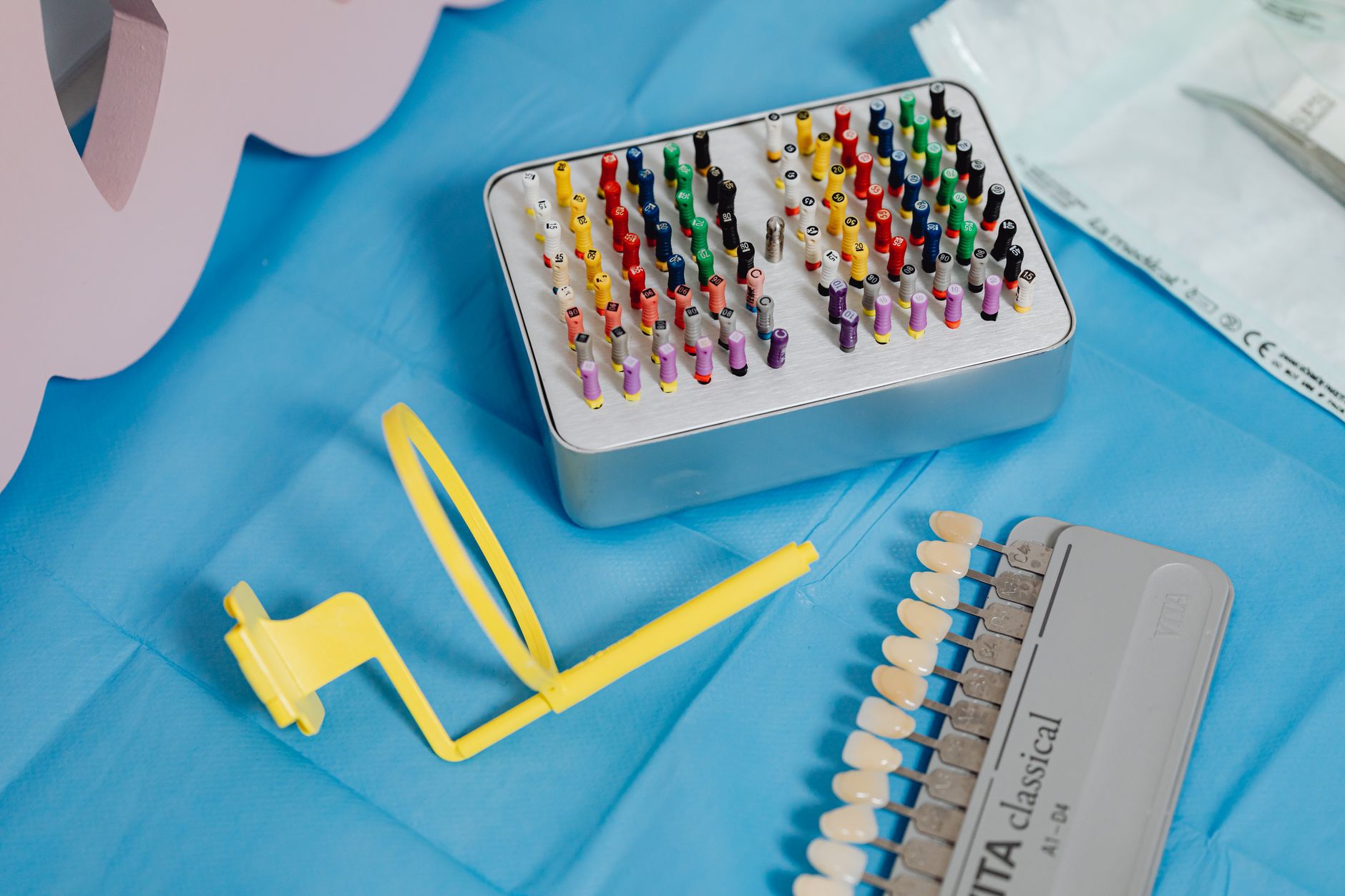
To understand why an apicoectomy is necessary, one must look at the apical region—the very tip of the tooth root. This area is not a single exit point but rather a complex maze. When a root canal is performed, the main canal is cleaned and sealed, but if bacteria have migrated into the lateral branches or the surrounding bone, they can survive the initial treatment. These lingering microbes can cause a chronic, low-grade infection that eventually erodes the jawbone.
This persistent inflammation is often asymptomatic in its early stages, only appearing as a dark spot on a radiograph during a routine check-up. Interestingly, patients often wonder if can a sinus infection cause tooth pain, but localized apical infection requires a different diagnostic approach. Because the infection is localized at the very end of the root, approaching the problem through the crown of the tooth often proves insufficient. The bacteria are essentially "walled off" at the bottom, necessitating a surgical approach from the side to reach the source of the problem directly.
What Exactly is an Apicoectomy?
An apicoectomy, often referred to as root-end resection, is a targeted surgical procedure. Unlike a traditional root canal, which accesses the infection through the biting surface of the tooth, an apicoectomy involves a small incision in the gum tissue to reach the root tip directly. The goal is straightforward yet technically demanding: remove the infected tip of the root (the apex) and the surrounding infected tissue, then seal the end of the root canal to prevent future bacterial leakage.
This procedure is the hallmark of modern endodontic microsurgery. It is a conservative approach because it focuses entirely on the problematic millimeter of the tooth rather than sacrificing the entire structure. Similar to how a what is a ridge augmentation procedure in dentistry prepares the bone for future stability, an apicoectomy stabilizes the existing tooth by removing the source of decay at its foundation.

Precision Under the Microscope
The transition from traditional surgery to microsurgery has revolutionized the success rates of apicoectomies. Today, specialists utilize high-powered surgical microscopes that provide up to 20x magnification. This allows the endodontist to see structural nuances that are completely invisible to the naked eye, such as hairline fractures or hidden accessory canals that may have caused the initial root canal to fail.
Once the infected tip is removed, the endodontist uses ultrasonic instruments to prepare a small space at the end of the remaining root. This space is then filled with a biocompatible material, such as Mineral Trioxide Aggregate (MTA). This level of precision is comparable to how do custom surgical guides improve dental implant placement, where technology ensures the highest possible success rate for complex interventions.
The Patient Experience: Comfort and Expectations
For many patients, the word "surgery" evokes a sense of dread. However, the reality of a modern apicoectomy is remarkably different from the perception. Advanced local anesthesia techniques are used to maximize patient comfort and significantly minimize discomfort during the procedure. For those with high anxiety, exploring sleep dentistry sedation options can make the process even more seamless.
One of the most surprising aspects of an apicoectomy is its brevity. In the hands of a skilled specialist, the procedure typically takes between 45 and 90 minutes. Because it is a microsurgical technique, the incisions are incredibly small and precise. This minimalism leads to significantly faster healing times and less post-operative swelling compared to more invasive restorative work.
Natural Preservation vs. Dental Implants
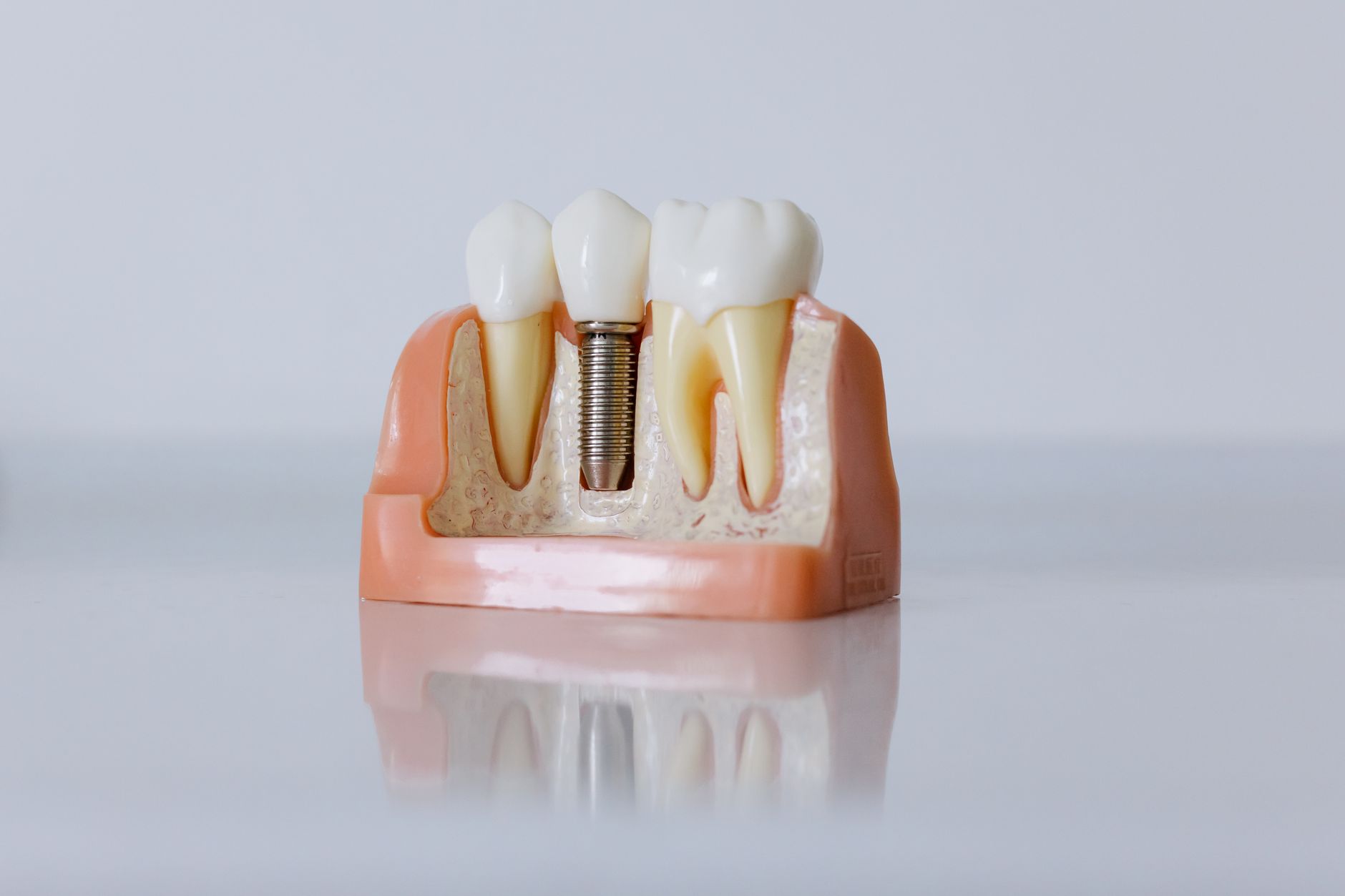
In recent years, dental implants have become a popular solution for missing teeth. While implants are an excellent technology, they should ideally be a secondary choice to preserving a natural tooth. Your own tooth contains a complex system of periodontal ligaments that provide "proprioception"—the sensory feedback that allows you to feel the pressure and position of your bite. An implant, being a titanium or zirconia post fused to the bone, lacks this natural "feel."
Furthermore, the timeline of an apicoectomy is significantly shorter than that of an implant. While a bone graft for dental implant may be necessary if a tooth is lost, an apicoectomy avoids the need for such extensive reconstruction by keeping the original root in place. From an aesthetic perspective, keeping your natural tooth also preserves the natural gum line and the unique architecture of your smile.
Recovery and Returning to Your Lifestyle
Post-operative care for an apicoectomy is designed to be simple and unobtrusive. Most patients are advised to apply ice to the area for the first few hours and to avoid vigorous brushing near the surgical site for a few days. While some mild swelling is normal, the tooth extraction healing time is often much longer and more restrictive than the recovery from this precise microsurgery.
The long-term monitoring of a saved tooth is a vital part of the wellness plan. Your endodontist will likely schedule a follow-up in six to twelve months to take a new X-ray. This allows them to see the bone regenerating around the root tip—a clear sign of success. Once the bone has healed, the tooth remains functional and stable, often providing long-term reliability comparable to other restored teeth.

Investing in Your Long-Term Oral Wellness
Choosing an apicoectomy is a proactive step toward maintaining your long-term health. Tooth loss often triggers a "domino effect," where the jawbone begins to resorb and neighboring teeth shift into the gap. By opting for specialized care to save a tooth, you are preventing these complications before they begin. Consulting with an endodontic specialist allows for a customized preservation plan tailored to your specific anatomy and lifestyle goals, ensuring your smile remains as resilient and vibrant as you are.
Key Takeaways
- Apicoectomy is a precise microsurgical alternative to tooth extraction for failing root canals.
- The procedure removes the infected root tip (apex) and seals it to prevent future bacterial leakage.
- Advanced surgical microscopes provide up to 20x magnification to identify hidden fractures or complex anatomy.
- Preserving the natural tooth maintains the periodontal ligament, ensuring normal biting sensation and jawbone stability.
- Recovery is typically quick, with most patients returning to normal activities within a few days.
Dr. Afshan Pervez
Lead Dental Surgeon & Aesthetician | BDS, RDS, Orthodontist
Dr. Afshan Pervez is the Lead Dental Surgeon and Aesthetician at The Teeth Clinic, bringing over 14 years of diverse clinical experience to her practice. A BDS and RDS qualified Orthodontist, she has completed an Integrated Masters in Portugal and furthered her training in Implant Dentistry in Hong Kong, Dental Medicine in the USA, and Global Health in Denmark. Her extensive expertise covers complex Surgery, Endodontics, and Aesthetic Medicine, making her a leader in multidisciplinary dental care.
Last clinically reviewed: 05/04/2026